How to make hydrogen water: the methods ranked by how much hydrogen reaches your glass
We sell water ionizers, and ionizers produce dissolved hydrogen. You should weigh everything below with that in mind, and we would rather say it in the first line than bury it at the bottom.
Most guides on how to make hydrogen water list the methods and stop there. That skips the question that matters: how much hydrogen is still in the water when you drink it? Every method runs into the same physical ceiling, and some popular ones deliver no hydrogen at all.

How to make hydrogen water: the limit every method runs into
Hydrogen water is ordinary water with hydrogen gas (H₂) dissolved in it. The gas has no taste and no effect on pH. pH and dissolved hydrogen are separate properties, and a product can have plenty of one and none of the other. We explain the difference in hydrogen water vs alkaline water vs Kangen water.
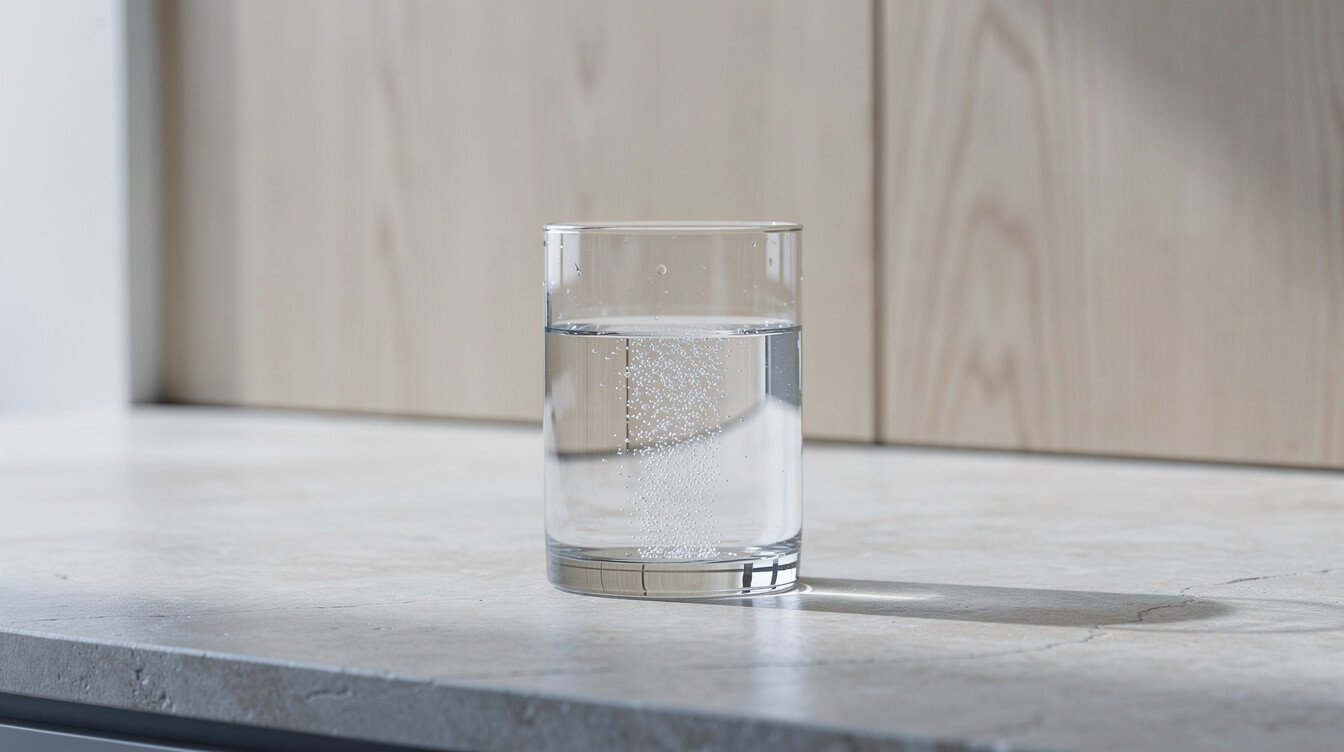
At normal air pressure and room temperature (1 atm, 25 °C), water can hold about 1.6 parts per million (ppm) of hydrogen when fully saturated. That figure follows from the gas’s published solubility, and it is the ceiling for anything made in an open kitchen. Higher numbers are possible only under pressure, and the excess starts leaving once the pressure is released.
The other limit is time. H₂ escapes an open glass quickly, as our post on molecular hydrogen water explains in detail. Hydrogen water is made to be drunk, not stored.
The methods that actually add hydrogen
Four routes put real H₂ into water. They differ in how much, and in what else ends up in the glass.
Electrolysis devices
Passing an electric current through water splits some of it. Hydrogen forms at the negative electrode and oxygen at the positive one. Countertop ionizers separate the two streams with a membrane, so the dissolved hydrogen comes out with the alkaline water. Dedicated hydrogen generators, including many portable bottles, typically use a membrane to keep the oxygen and other by-products away from the drinking water, so the water’s pH stays roughly where it started. Either way, the hydrogen is freshest the moment it is made, which is the main advantage of making it at home. Output varies with build quality and source water, so check a claimed concentration rather than trusting it.
Magnesium tablets and sticks
Magnesium metal reacts with water to form magnesium hydroxide and hydrogen gas. The chemistry is simple, and it works. On paper, 80 mg of magnesium can release about 6.6 mg of hydrogen, far more than a glass can hold at normal pressure, so most of it bubbles away unless the bottle is sealed while it reacts. Two things come with it: magnesium, which counts toward your daily intake, and a higher pH. Sticks react slowly and unevenly, so their output is unknowable without testing.
Hydrogen gas infusion
Some machines bubble hydrogen gas from a generator or cylinder directly into water, sometimes under pressure. This reaches saturation quickly and adds nothing else. It also means handling a flammable gas, which belongs in a designed appliance, not a homemade setup.
Pre-filled cans and pouches
This is buying rather than making, but it is the comparison most people are weighing, and packaging decides it. In a lab study of gas permeation, hydrogen diffused through every polyethylene and rubber sample tested faster than argon or nitrogen (Jung et al., Scientific Reports, 2022), although that study did not test the PET plastic used in most drink bottles. Metal cans and foil-lined pouches present a continuous wall instead of a polymer, so they hold the gas far better. A concentration claim on a plastic bottle of hydrogen water deserves skepticism.
What does not make hydrogen water
Plenty of kitchen tricks get described as hydrogen water. None of these add hydrogen.
- Baking soda. Sodium bicarbonate raises pH and adds sodium. It adds zero H₂. Baking soda water is alkaline water, not hydrogen water.
- Lemon. Lemon juice lowers the water’s pH and adds no gas.
- Alkaline drops and mineral pitchers without magnesium metal. These change pH and mineral content. Unless the cartridge contains elemental magnesium, they release no hydrogen.
- The pH setting on an ionizer. The number on the display is pH. It does not tell you the hydrogen content, which depends on flow rate, source water, and the machine.
If alkaline water is what you were after, see how to make alkaline water at home. It is a different substance with a different evidence base.
Why we would skip DIY electrolysis
The top search results for how to make hydrogen water include videos of homemade generators built from washers, a battery, and a jar of salt or baking soda water. They do produce hydrogen. We would not drink the result, for three reasons.
- The electrodes dissolve. Ordinary steel or galvanized washers are not inert. At the positive electrode they corrode, and metal ions such as iron, zinc, nickel, or chromium end up in the water. Commercial cells use coated, corrosion-resistant electrodes for this reason.
- Salt makes chlorine. Electrolysis of salty water is how chlorine and bleach are made industrially. A homemade cell running on salt water produces chlorine compounds in the same water you planned to drink.
- The gas mix is flammable, and the dose is unknown. An open cell releases hydrogen and oxygen together, and without a membrane or a test, you have no idea how much hydrogen actually stayed in the water.
Honest answers, weekly
The research, without the sales pitch
One short email a week: what a study actually found, what it didn't, and what's worth your attention. No spam. Unsubscribe anytime.
How to make hydrogen water count: test it, then drink it fast

The affordable way to measure dissolved hydrogen at home is a reagent drop test. The method was described in a 2012 laboratory methods paper (Seo, Kurokawa and Sato, Medical Gas Research), which found that a titration using methylene blue with colloidal platinum performed as well as the more expensive electrochemical method. One author worked for a hydrogen-equipment company. You add blue drops to a small sample, hydrogen turns each drop clear, and you count until the blue stays. Kits sold for this purpose state that each drop represents about 0.1 ppm in a 6 mL sample (manufacturer listing, as of October 2026). Dissolved-hydrogen meters cost more.
What does not measure hydrogen is an ORP meter. Oxidation-reduction potential responds to hydrogen, but it also responds to pH, minerals, and temperature, so a negative ORP reading is not a hydrogen concentration.
To keep what you made:
- Drink within minutes of making it, not hours.
- Store it, if you must, in a full, sealed metal or glass container with as little air space as possible.
- Avoid warming, shaking, or pouring back and forth, all of which speed the loss.
Who should be careful
The gas itself has a clean safety record: in 2014 the FDA said it had no questions about a notice concluding that hydrogen gas is generally recognized as safe (GRAS) as an ingredient in drinking water (GRAS notice 520). That is a safety finding, not evidence of any benefit. The cautions mostly attach to the delivery method. Magnesium tablets add magnesium, which matters for anyone with chronic kidney disease: the NIH Office of Dietary Supplements notes that the risk of magnesium toxicity rises when kidney function is impaired, because the body can no longer remove the excess. They also raise pH, which is worth discussing with a doctor if you take acid-suppressing medication. Keep tablets away from children, and talk to your doctor before adding them during pregnancy. Our post on hydrogen water side effects covers these in more depth.
If you were hoping hydrogen water would help with a medical condition, the evidence does not support that use. Please ask your doctor.
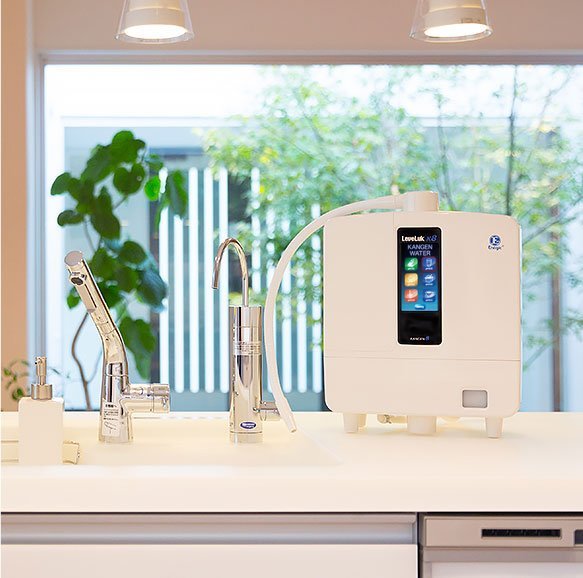
If you would rather make it at the tap
The LeveLuk K8 is our eight-plate flagship ionizer. It filters your tap water and produces dissolved hydrogen on the alkaline stream as you pour, so you can test it and drink it fresh. Specs and documentation are on the product page.
Is it worth making hydrogen water at all?
On the evidence, the honest answer is that hydrogen water is safe for most people and has a small, mixed human research base. The best-studied use, exercise-related oxidative stress, showed no difference from placebo on its main measure when the human trials were pooled in a 2024 meta-analysis (Li et al., Frontiers in Nutrition). We go through the rest of that literature in is hydrogen water a hoax?
If you try it anyway, how you make hydrogen water matters more than which brand you pick. Choose a method that adds real hydrogen, test it at least once, and drink it fresh. Skip the baking soda, the lemon trick, and anything built from hardware-store washers. If what you mostly want is clean water you enjoy, good filtration does that on its own.
This article is for general information and is not medical advice. Talk to your doctor before changing what you drink, especially if you have kidney disease, are pregnant, or take medication.
Before you go
Get the next honest answer by email
We'd rather tell you when the answer is no. One email a week, written the same way as this post.