How to make alkaline water at home: what actually works
How to make alkaline water at home usually comes down to a handful of kitchen methods — baking soda, pH drops, a mineral additive, a filter pitcher, and the lemon trick that gets repeated everywhere. Four of those raise your water’s pH. Lemon lowers it. We’re an authorized Enagic dealer and sell electric water ionizers, which is exactly why we’d rather tell you what a pinch of baking soda actually does before you spend anything — on our machines or anyone else’s.
Short version: yes, you can make alkaline water at home for pennies. What that gets you, and what it doesn’t, is the part almost nobody explains.
How to make alkaline water at home: four methods, and one that backfires
Baking soda
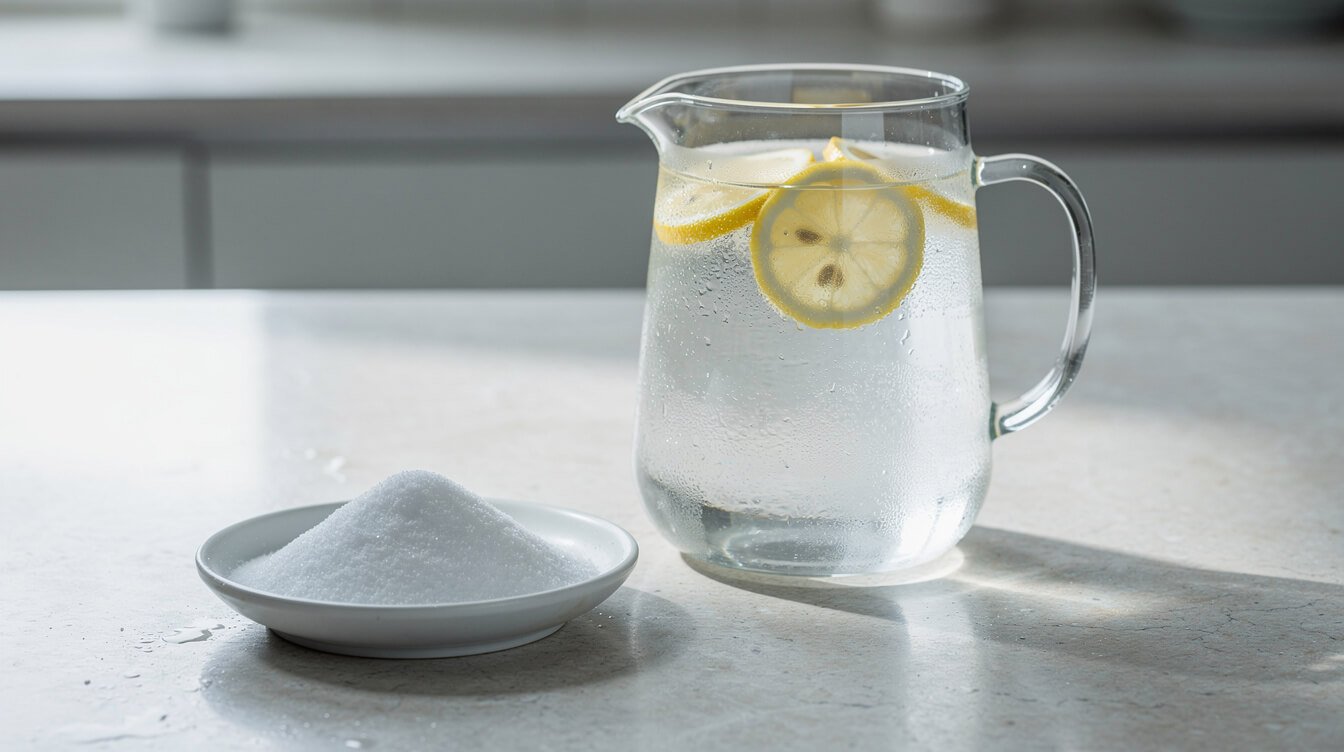
Stir 1/8 to 1/4 teaspoon of baking soda (sodium bicarbonate) into a liter of water until it dissolves. Baking soda is mildly alkaline, and it will typically lift a liter of tap water to somewhere around pH 8 to 8.5 within seconds. It’s the cheapest method by far. It also adds sodium to every glass, which matters more than most guides mention.
pH drops
Concentrated mineral-ion drops, a few per glass, are the most portable option and often the most reliable at hitting a specific pH target. They’re also the most expensive per gallon, and ingredient quality varies by brand, so read the label for what you’re actually adding.
Alkaline filter pitchers
These run water through an ion-exchange or remineralizing filter media that removes chlorine and other contaminants while adding back alkaline minerals, typically landing a little above pH 8. Upfront cost is modest; cartridges need replacing on the maker’s schedule, usually every few months.
Mineral additives
Trace mineral drops — calcium, magnesium, potassium — raise pH modestly and change taste more noticeably than they change pH. They sit closer to a mineral supplement than a water treatment.
Lemon juice (lowers pH, so it doesn’t belong on this list)
Lemon is on almost every “make alkaline water” list, and it does the opposite. Lemon juice is acidic, and squeezing it into water lowers the water’s pH. The popular claim that it turns alkaline once you drink it is the alkaline-ash myth, and it doesn’t hold up: your body regulates its own pH no matter what you drink. Lemon water is a fine drink if you like it. It is not alkaline water.
What’s actually happening to the water
pH measures how many free hydrogen ions are floating in a liquid — low pH means more of them, high pH means fewer. Baking soda, pH drops, mineral additives, and alkaline pitchers all work by adding something (bicarbonate or mineral ions) that mops up some of those free hydrogen ions, which is a real and measurable chemical change. Lemon adds citric acid, which supplies more of them.
None of these kitchen methods do the other thing this category is famous for confusing: none of them add dissolved molecular hydrogen (H2) to the water. Molecular hydrogen and pH are two separate properties. H2 is a colorless, tasteless dissolved gas; pH is a measure of hydrogen ion concentration. You can raise pH without adding a molecule of H2, and that is exactly what baking soda and pH drops do. Getting measurable dissolved hydrogen into water takes something that actually generates the gas — electrolysis, as in an electric water ionizer or a hydrogen bottle, or a hydrogen tablet that releases H2 as it reacts with the water. A spoonful of baking soda does neither.
What the research actually supports
A 2026 review of the category (Frontiers in Medicine, 2026) concluded that alkaline water has limited clinical utility, that any benefit is driven more by mineral composition than by pH on its own, and that claims about changing the body’s pH, immunity, or anti-aging are not supported by the evidence. That applies as much to a glass of baking-soda water as it does to water from an expensive machine: your blood pH is held at 7.35–7.45 by your lungs and kidneys regardless of what you drink. Nothing you do at the kitchen sink changes that number.
The one specific finding that holds up under scrutiny is narrower than most marketing suggests: a 2012 study (Koufman & Johnston, Annals of Otology, Rhinology & Laryngology) found that water at pH 8.8 could deactivate pepsin, an enzyme involved in acid reflux, in a laboratory dish. That’s real, and it’s also in vitro, not a clinical trial in people — and 8.8 is higher than baking-soda water reliably reaches. We’ve written a longer breakdown of what that finding does and doesn’t mean for acid reflux specifically.
Who should be careful with DIY alkaline water
- Chronic kidney disease. Extra sodium and extra mineral load both matter more when kidneys can’t clear them efficiently. If you have any form of kidney disease, talk to your nephrologist before adding baking soda, mineral drops, or an ionizer to your routine. Our alkaline water and kidney health post covers this in detail.
- Sodium-restricted diets or high blood pressure. A quarter teaspoon of baking soda per liter adds up fast if you’re drinking several liters a day.
- PPI users and anyone at risk of calcium-alkali syndrome. Stacking acid-suppressing medication with regular high-pH, high-mineral water intake is a conversation for your doctor, not a water guide.
- Frequent lemon water drinkers. The citric acid erodes tooth enamel over time; rinse with plain water afterward if you drink it daily.
- Pregnancy and infants. Don’t add mineral supplements of any kind to a baby’s water, and check with your OB before meaningfully changing your own mineral intake.
None of this means DIY alkaline water is dangerous for most healthy adults in ordinary amounts. It means the people who should skip it are the ones most how-to guides never mention.
Honest answers, weekly
The research, without the sales pitch
One short email a week: what a study actually found, what it didn't, and what's worth your attention. No spam. Unsubscribe anytime.
DIY methods vs. an electric water ionizer: what’s actually different
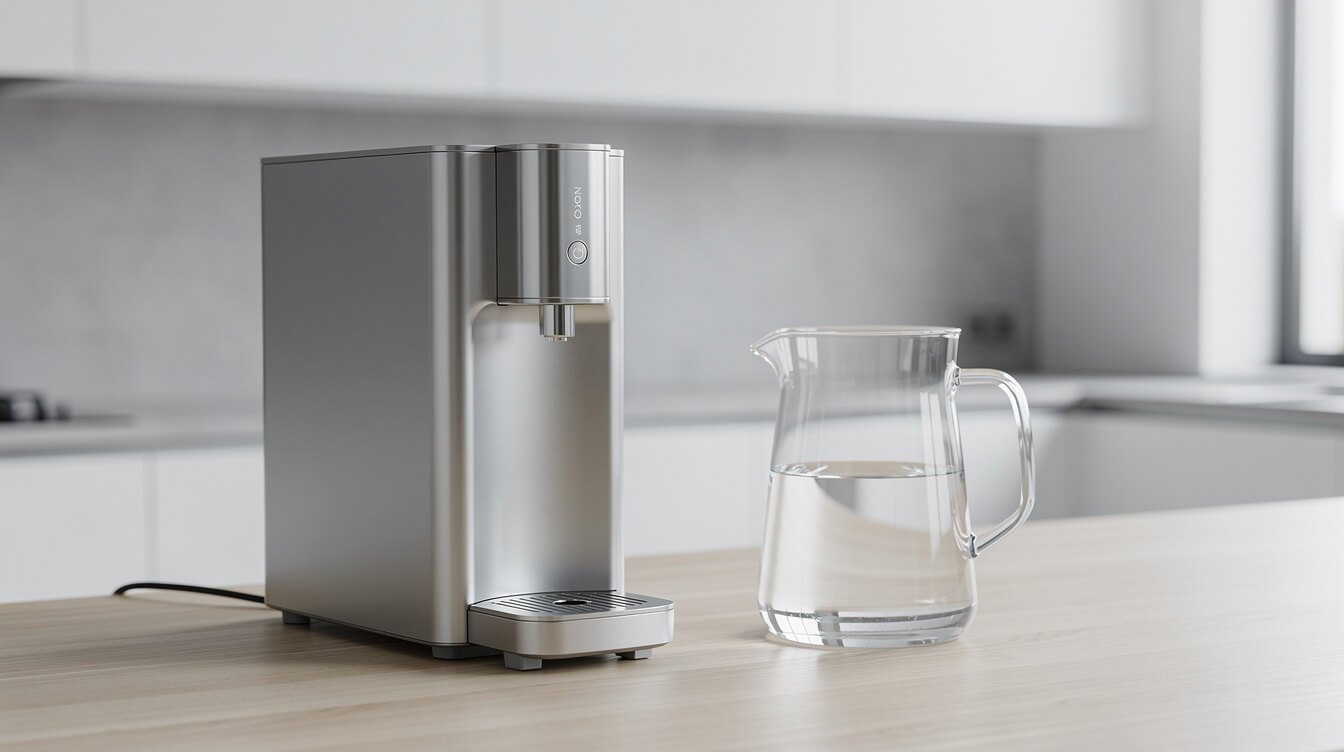
If your goal is water that tastes less flat and sits a bit higher on the pH scale, baking soda or a filter pitcher will get you there for a few dollars a month.
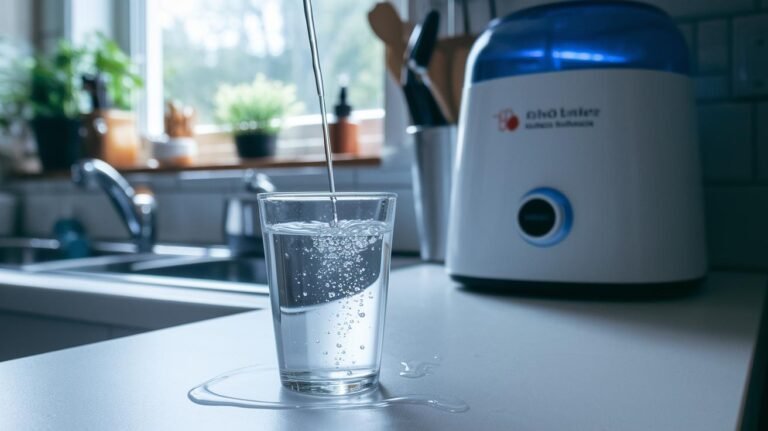
A dedicated ionizer is a different kind of purchase. It runs electrolysis on your tap water, splits it into a drinking stream and a separate acidic stream, and produces a consistent pH and measurable dissolved hydrogen without adding sodium to every glass. What you’re paying for is consistency and the filtration and electrolysis hardware, not a stronger version of the same chemistry a kitchen method already gives you. It is not the right next step for someone who just wants to try alkaline water for a week before deciding whether they even like it. Start with baking soda for that.
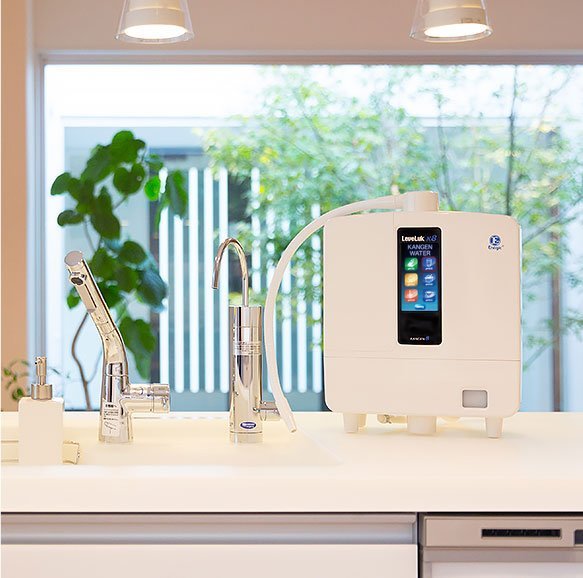
Want consistent pH without measuring anything?
The LeveLuk K8 is the flagship countertop ionizer we sell as an authorized Enagic dealer: filtration and electrolysis at the tap, producing a consistent pH and dissolved molecular hydrogen.
Frequently asked questions about how to make alkaline water
Is homemade alkaline water safe to drink every day?
For most healthy adults, yes, in ordinary amounts. The exceptions are listed above — kidney disease, sodium restriction, PPI use, pregnancy.
How long does homemade alkaline water keep?
Baking soda water and pH-drop water are stable for a few days refrigerated. For how it compares with store-bought and other water types, see our alkaline vs. regular, spring, and purified water breakdown.
Does boiling water make it alkaline?
No. Boiling can slightly shift pH by driving off dissolved carbon dioxide, but the effect is small and temporary once the water re-equilibrates with air. It’s not a reliable method.
Is homemade alkaline water the same as Kangen or ionized water?
No, for the reason explained above: DIY methods raise pH without producing dissolved molecular hydrogen, while electrolysis-based ionizers do both. They’re related but not equivalent.
Can I make hydrogen water the same way I make alkaline water?
Not with baking soda, lemon, or pH drops — none of them add H2. Dissolved hydrogen takes either electrolysis (an ionizer or a hydrogen generator bottle) or a hydrogen tablet designed to release H2 into water.
The bottom line
You can make alkaline water at home in under a minute, for a few cents, and it will do exactly what it says: raise the water’s pH. Lemon won’t — it lowers it. What none of these methods will do is change your blood chemistry, cure anything, or match what an electrolysis machine produces, because pH and dissolved hydrogen are different properties with different mechanisms behind them. Start with the cheap methods if you’re curious. Consider a dedicated ionizer only once you know what you’re actually buying it for — consistency and hydrogen production, not a stronger version of what baking soda already does.
This article is for general information and is not medical advice. Talk to your doctor before changing what you drink, especially if you have kidney disease or take medication.
Before you go
Get the next honest answer by email
We'd rather tell you when the answer is no. One email a week, written the same way as this post.