

Alkaline Water and Acid Reflux: What the Research Actually Shows
Of everything claimed about alkaline water, this is the area with the best evidence behind it. That makes it the easiest place to overclaim, so we’re going to be careful.
The finding people are referring to
In 2012, Koufman and Johnston published a study in the Annals of Otology, Rhinology & Laryngology examining what alkaline water does to pepsin.
Pepsin is a digestive enzyme produced in the stomach, and it matters here because it’s responsible for much of the tissue damage in reflux — particularly in laryngopharyngeal reflux, where stomach contents reach the throat. Pepsin that reaches the throat can remain there and reactivate when exposed to acid later.
The study found that water at pH 8.8 irreversibly denatures pepsin — permanently deactivating it — while ordinary tap and bottled water at pH 6.7 to 7.4 does not. It also found the alkaline water had useful acid-buffering capacity.
That’s a real result, published in a peer-reviewed journal, and it’s mechanistically sensible.

What that study was, and wasn’t
Here’s the part usually left out.
It was a laboratory study on the enzyme itself — pepsin in a dish, not patients in a trial. It demonstrates that alkaline water can deactivate pepsin under lab conditions. It does not demonstrate that drinking alkaline water resolves reflux symptoms in people, because that isn’t what was tested.
Separately, clinical trials on bicarbonate-rich mineral water have reported reduced heartburn frequency and duration, and reviews have noted symptom improvement in dyspepsia and reflux disease. So there is human evidence, and it points in a favourable direction — but the often-cited pepsin result and the human symptom results are two different bodies of work, and running them together to imply “clinically proven for reflux” overstates both.
What this might mean practically
If you have reflux, particularly the throat-symptom kind, drinking alkaline water is low-risk and has a plausible mechanism behind it. Some people report relief. Some don’t.
Realistic expectations:
- It may help buffer acid and deactivate pepsin as you drink it.
- It is not a replacement for prescribed treatment, and it does not address the causes of reflux — diet, weight, hiatal hernia, meal timing, alcohol, smoking.
- The pH matters. The research concerns water around 8.8 and above; ordinary bottled water won’t do the same thing.
- It’s most plausible as one adjunct among several, not as a solution.
Honest answers, weekly
The research, without the sales pitch
One short email a week: what a study actually found, what it didn't, and what's worth your attention. No spam. Unsubscribe anytime.
Important cautions
If you take a PPI or H2 blocker, talk to your prescriber. Stomach acid digests protein and enables iron and B12 absorption; layering additional buffering on top of acid-suppressing medication can compound problems. This is a conversation to have with a clinician, not a water seller.
If you have chronic kidney disease, don’t drink high-pH water without speaking to your nephrologist first.
If your symptoms are persistent, worsening, or include difficulty swallowing, weight loss, or vomiting blood, see a doctor. Reflux symptoms can overlap with conditions that need proper investigation, and no amount of water is the right response to those signs.
Our honest position
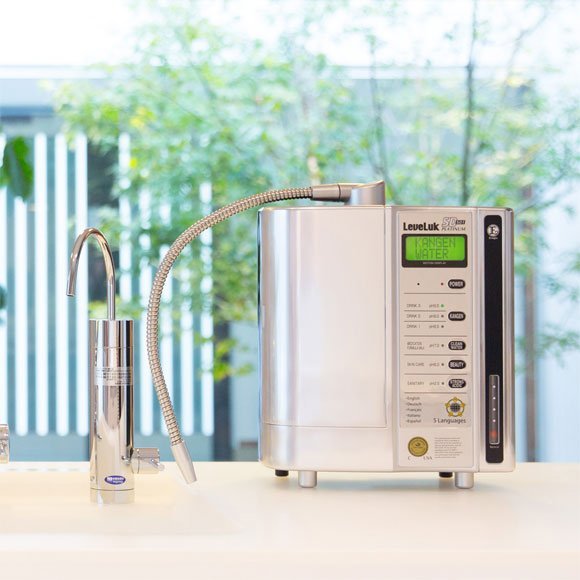
We sell ionizers, and this is the strongest evidence-based reason anyone has to consider one. It would be easy for us to describe it as a proven reflux treatment. It isn’t one, and the distinction between an in-vitro pepsin result and a clinical outcome is exactly the kind of thing this industry glosses over.
What we’ll say instead: the mechanism is real, the human evidence is encouraging but limited, the risk is low for most people, and it belongs alongside medical care rather than in place of it.
General information only and not medical advice. Nothing here is intended to diagnose, treat, cure or prevent any disease, including gastroesophageal reflux disease. Speak to a qualified healthcare professional about your symptoms, especially before changing prescribed treatment.
Before you go
Get the next honest answer by email
We'd rather tell you when the answer is no. One email a week, written the same way as this post.