Hydrogen Water And Kidney Disease: Promising Therapy, But Is It True?
Ever thought a cool glass of hydrogen-rich water might ease stress on your kidneys? Your kidneys filter about 180 liters of fluid every day (about 47 gallons), so they’re working nonstop. That nonstop work exposes them to reactive oxygen species (ROS, unstable oxygen molecules that can damage cells).
Molecular hydrogen (H2) dissolved in water acts like a tiny, targeted antioxidant. It picks off the worst free radicals while leaving normal cell signals alone. Think of it like a gentle spring cleaning inside your cells: less oxidative clutter, calmer inflammation, and less scarring. That’s why hydrogen water looks promising as a simple way to help protect kidney function.
Hydrogen Water And Kidney Disease Promising Therapy
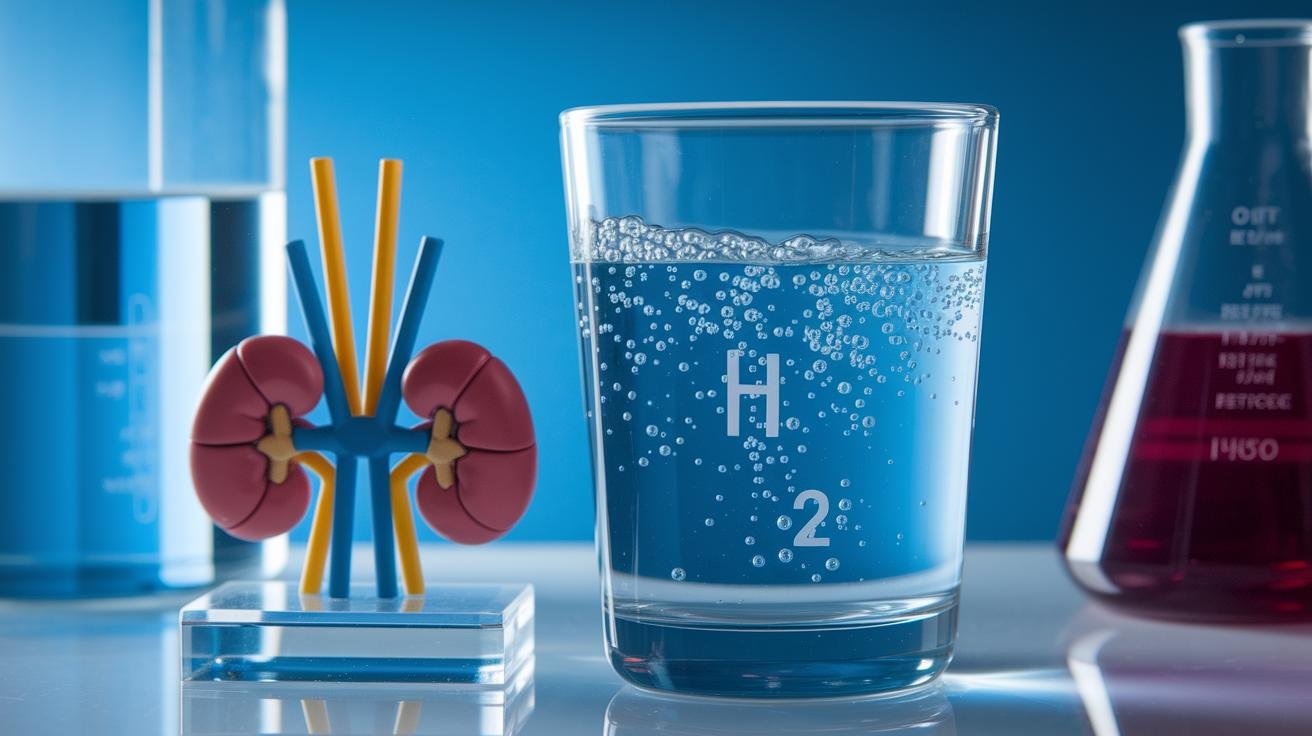
Your kidneys filter about 180 liters of fluid every day (that is roughly 47 gallons), so they’re always working. They’re exposed to toxins, waste, and reactive oxygen species (ROS) (unstable oxygen molecules that can damage cells). That steady load makes kidney tissue vulnerable to oxidative harm and inflammation, which can hurt filtration and lead to scarring.
Hydrogen-rich water has dissolved molecular hydrogen (H2) that acts like tiny, targeted antioxidants. They pick off the worst radicals while leaving normal cellular ROS used for signaling alone, so cells can still talk to each other and repair. Think of H2 as a gentle cleaner that wipes away the dangerous mess but lets the useful bits stay.
Common harmful radicals it helps with:
- Hydroxyl radical (•OH) – very reactive, it can damage fats, DNA, and proteins.
- Peroxynitrite (ONOO-) – forms when nitric oxide meets superoxide, and it can nitrate proteins and worsen injury.
- Superoxide anion (O2•-) – a common ROS that can kick off chain reactions if unchecked.
- Singlet oxygen (1O2) – an excited form of oxygen that oxidizes cell parts.
When those radicals are reduced, inflammatory signaling drops. Hydrogen-rich water’s scavenging of ROS links to lower activation of NF-κB (the master switch for inflammation) and higher activity of Nrf2 (a protein that turns on antioxidant defenses). That shift soothes pro-fibrotic signals, cuts tissue scarring, and helps kidneys keep filtering properly.
In short, molecular hydrogen offers antioxidant and anti-inflammatory effects that may protect renal tissue. I know it sounds a bit techy, but picture a gentle spring cleaning inside your cells: less oxidative clutter, smoother repair, and kinder conditions for kidneys to do their job.
Clinical Evidence of Hydrogen Water for Kidney Function Support
Preclinical studies and small human trials point the same way: animal experiments show clear kidney protection, and early human work hints at benefit but is still limited. Molecular hydrogen therapy looks promising for reducing kidney injury in lab models, and small clinical trials report modest signals for supporting glomerular filtration rate (GFR, how well kidneys filter blood) and easing symptoms.
Animal Study Findings
In animals, researchers tested hydrogen-rich water in several models: renal ischemia reperfusion (when blood flow to the kidney is cut then returned), drug-induced nephrotoxicity (kidney-damaging drugs), ureteral blockage, and oxalate stone models.
Across these studies, H2 reduced tubular damage, lowered oxidative stress (cell-damaging molecules), and cut scarring or fibrosis (long-term tissue stiffening). Many experiments also showed less cell death and short-term improvements in filtration markers, which points to better kidney function. The repeated theme is simple: H2 blunts oxidative hits, calms inflammatory pathways, and helps keep kidney tissue intact. Pure protection, basically.
Human Trial Outcomes
In small trials of people with chronic kidney disease (CKD) and patients on dialysis, daily hydrogen water, given as bottles, pitchers, or tablets, was linked to improved antioxidant balance (more protection against harmful molecules), small drops in BUN (blood urea nitrogen, a waste marker), stabilized serum creatinine (a common kidney function blood test), and less reported fatigue. Sound promising? Yes, but keep in mind most studies had fewer than 50 participants and lasted about four weeks or less, and the ways people got H2 varied a lot.
So what’s next? Larger, longer randomized controlled trials are needed to nail down dosing, confirm effects on GFR (how well kidneys filter blood), and figure out which patients benefit most. Until then, the data is encouraging but not definitive. Ever noticed your energy change after trying new waters or supplements? That’s the kind of small, real-world detail future trials need to capture.
| Model / Population | Intervention | Key Findings |
|---|---|---|
| Renal ischemia reperfusion (animals) | Hydrogen-rich water by drinking or injection | Reduced tubular injury, lower oxidative markers, preserved function |
| Drug-induced nephrotoxicity (animals) | Oral H₂-enriched water | Less cell death, reduced fibrosis (scarring), improved short-term filtration |
| CKD / dialysis patients (humans) | Daily H₂ water (bottles, pitchers, tablets) | Better antioxidant balance, modest BUN decline, stabilized creatinine |
Recommended H₂ Water Dosage for Kidney Disease Support
Aim for about 500-1000 mL per day (roughly 17-34 ounces) of hydrogen-rich water (H₂ water). That’s a simple, easy target you can work into your routine.
Many people split it into two servings: one in the morning and one after exercise, when dissolved H₂ tends to be highest. Ever noticed your energy dip midday? This can help steady things.
Portable 14 oz bottles can reach about 6000 ppb H₂ in 5 minutes (ppb means parts per billion) and an ORP around -690 mV (ORP is oxidation-reduction potential). So a quick hydrogenation and drinking soon after usually gives the strongest antioxidant effect. A crisp, cool sip right away feels best.
Drink H₂ water while hydrogen concentration is highest, usually within minutes of production or opening a freshly made, sealed bottle. Sip rather than gulp so your body can absorb it steadily. If you use tablets or a pitcher, follow the maker’s instructions so you get the stated H₂ level and don’t let the water sit for hours.
For children and people with chronic kidney disease, introduce H₂ water gently and make it part of a broader hydration plan. Children shouldn’t swap out plain water completely. And if you’re on a fluid-restriction plan, coordinate any changes with your nephrologist or care team.
- Take one serving in the morning on an empty or light stomach for a consistent routine.
- Drink a second serving within 30 minutes after exercise or physical work for recovery.
- If using portable bottles, consume within 10-20 minutes of hydrogenation to capture peak H₂ levels.
Check with your healthcare provider about how H₂ fits into prescribed fluid limits and medications, so you can use it safely alongside regular kidney care. If anything feels off, stop and call your clinician.
Safety Profile and Potential Side Effects of Hydrogen Water in Kidney Patients
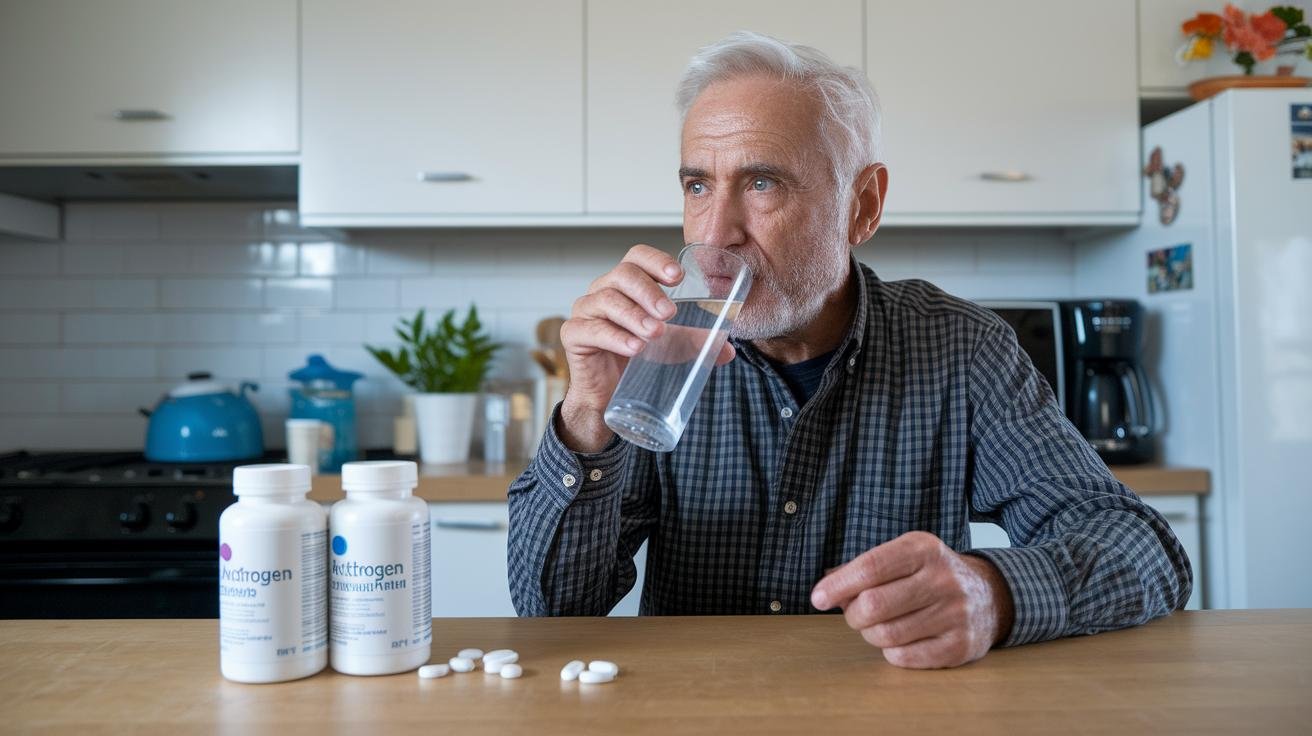
Overall, the safety data so far is comforting. Animal studies and small human trials haven’t found clear toxicity or consistent side effects from drinking hydrogen-rich water at common doses. Most people handle it fine, even when they drink it every day for weeks. It tends to be gentle in the long run, though whether folks keep drinking it usually comes down to taste and convenience, if it’s a pleasant, crisp, cool sip and easy to get, people stick with it.
That said, no reports of interactions with common chronic kidney disease medicines have stood out. But that doesn’t replace a quick check with your care team. If you’re on dialysis (a blood-cleaning treatment) or have strict fluid limits, or if your meds change oxidative stress (cell damage from free radicals), talk with your nephrologist or pharmacist before adding regular H2 water. Ever noticed any new symptoms after trying something new? Stop and call your provider if that happens.
A few practical tips I’ve seen work well:
- Chill it or add a light fizz to make the flavor more enjoyable. A gentle fizz helps the water feel fresh.
- Try different H2 concentrations until you find one you like, some people prefer a subtle hint, others want something stronger.
- Pick set times to drink it, morning and after light activity are popular, so it becomes a simple habit and fits your fluid plan.
One tiny, human note: I found myself craving that smooth mouthfeel after a few days. Hmm. But remember, individual responses vary, so keep your care team in the loop.
Honest answers, weekly
The research, without the sales pitch
One short email a week: what a study actually found, what it didn't, and what's worth your attention. No spam. Unsubscribe anytime.
Hydrogen Water Generation Methods for Kidney Health
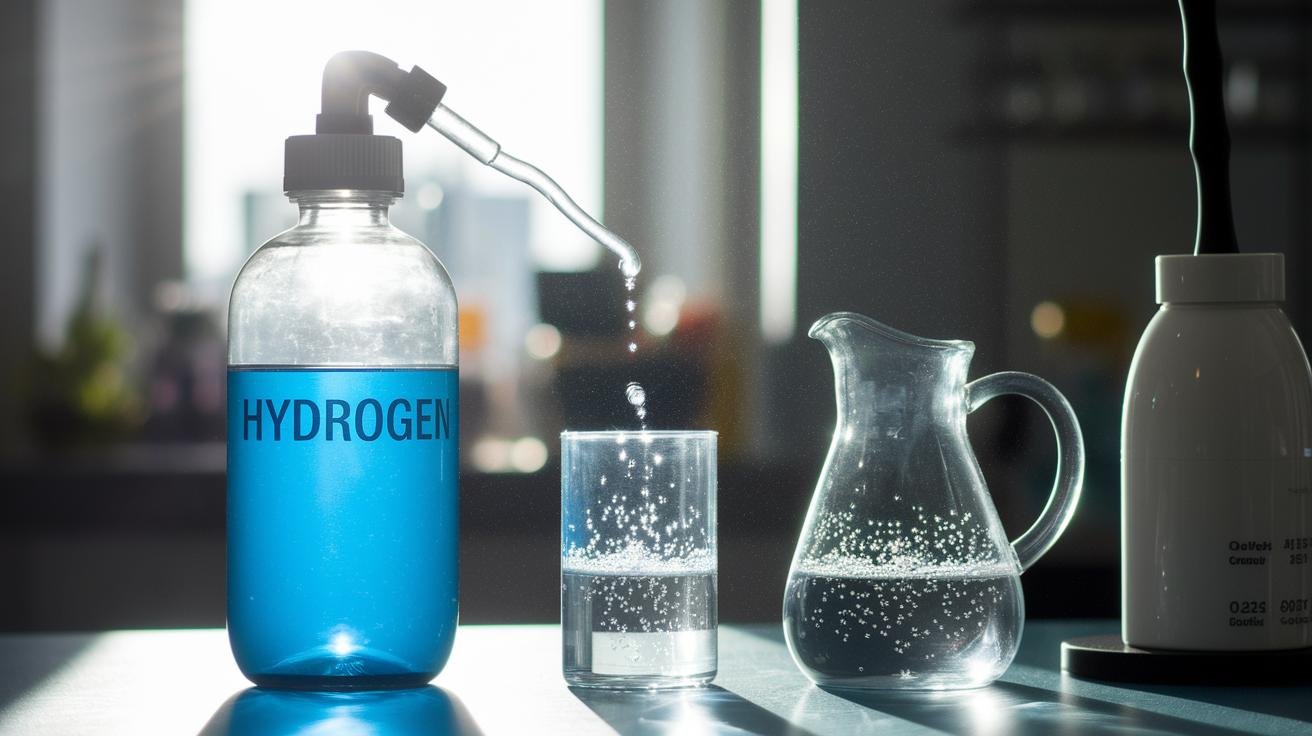
This short section was removed and folded into the Recommended H₂ Water Dosage section. You’ll now find it as the subsection titled "How to Make or Obtain H₂ Water."
That subsection groups common device types and gives a quick pro and con for each, so you can pick what fits your life.
Common device categories:
- Portable electrolysis bottles, Easy to carry and make H₂ on the go. Electrolysis (using electricity to split water and release hydrogen) is how these work. Pros: convenient for travel or a single person. Cons: lower output and you may need to wait a few minutes per fill.
- Multi-user pitchers, Good for families or shared kitchens. These usually use platinum-titanium electrodes (durable metals that help generate hydrogen) and include filtration to remove chlorine and other tastes. Pros: larger batches and simple refills. Cons: slower per-liter production than a big ionizer.
- Effervescent or magnesium tablets, Super portable and cheap. Tablets react with water (magnesium plus water) to release hydrogen. Pros: no electricity and great for trips. Cons: tablet concentration and how long they need to react vary by brand, so timing and H₂ level aren’t consistent.
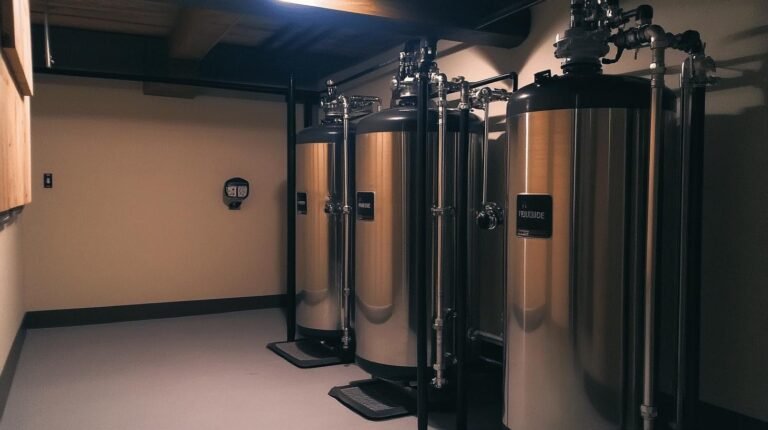
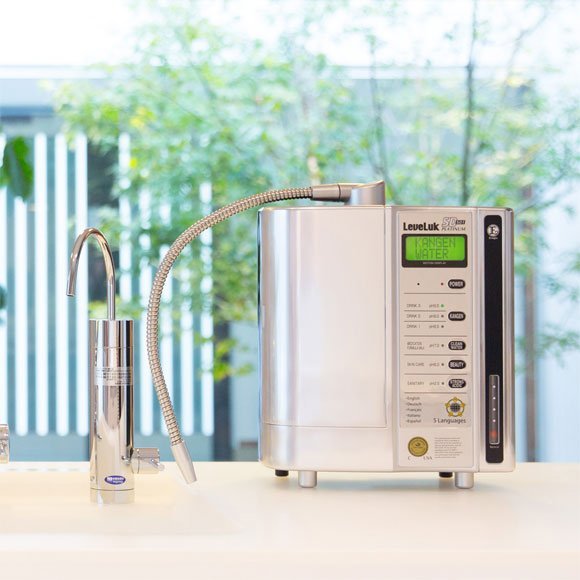
- Advanced ionizers and whole-home systems, Built for high output and steady supply to multiple taps. Pros: strong performance and convenience for many users. Cons: higher cost and plumbing changes may be needed.
Performance figures like approx 6000 ppb (parts per billion), -690 mV (millivolts, a redox potential measure), and the typical 5-minute production time are now shown only in the Dosage section, not here.
Which one should you pick? Match the device to your household water system and daily habits. Do you need travel convenience, a family solution, or whole-home coverage? And please verify manufacturer H₂ claims, look for independent testing or consumer reviews before you buy.
, if you want reliable results, test or confirm the company’s numbers rather than just trusting marketing.
Integrating Hydrogen Water into Comprehensive CKD Management
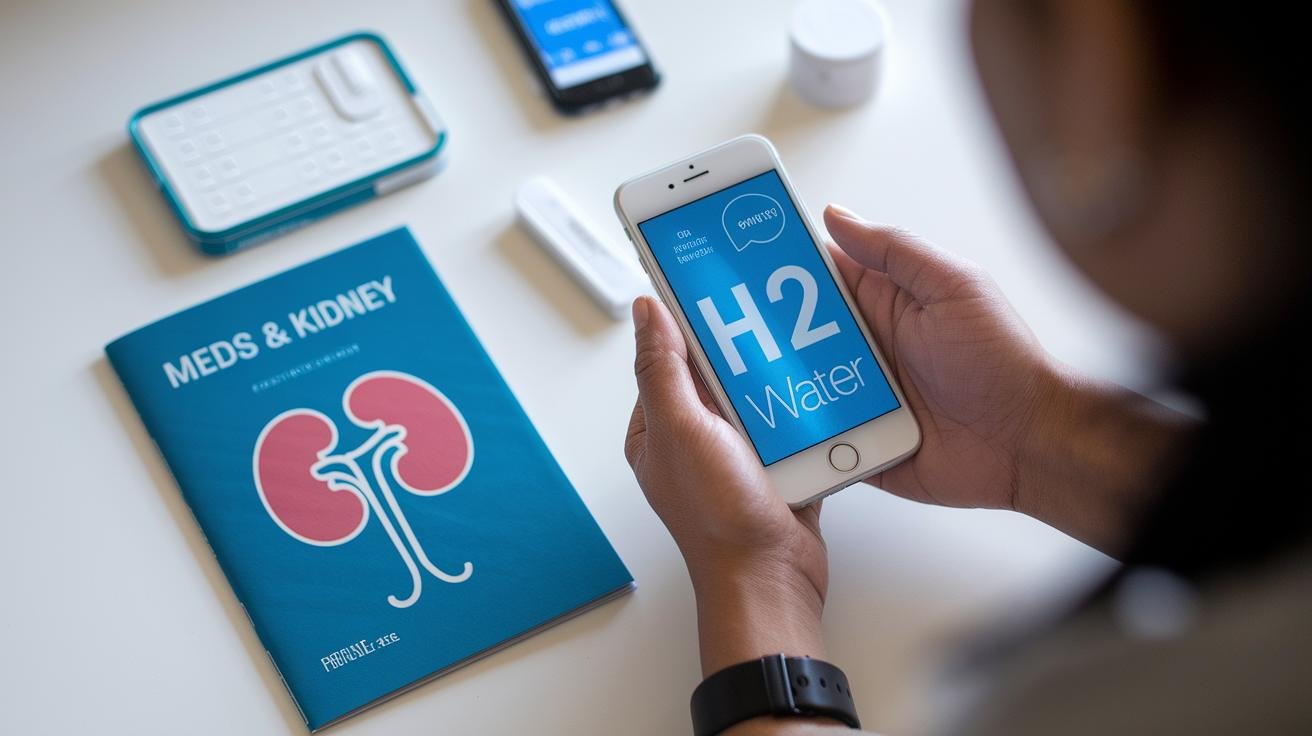
Think of your kidney care like a team huddle. Hydrogen-rich water (H₂, molecular hydrogen) can be a helpful play in that plan, but it’s just one play. CKD means chronic kidney disease, and your main treatments, prescribed meds, fluid limits, and careful electrolyte checks (electrolytes are minerals like sodium and potassium), stay front and center. Don’t swap those for H₂ water.
Talk with your nephrology team about how H₂ fits in. Ask about timing, daily amount, and any interactions with medicines that affect oxidative stress (when cells are damaged by free radicals) or fluid balance. Small, steady changes usually work best when you’re adding a new habit to chronic care.
Keep everyday choices simple and kidney-friendly. Pair H₂ water with a balanced plate: lean proteins, whole grains, colorful veggies, and lower sodium so blood pressure and fluid shifts stay steadier. A crisp, cool sip of H₂ in the morning can feel nice. Try having it with a light snack or after gentle activity so it complements meals and meds, not competes with them.
Schedule it around routines. Morning with toast. After a short walk. Little rituals stick. Regular, moderate exercise and tracking weight and urine output help your care team spot changes early. If kids try H₂, introduce it slowly. If you’re on a fluid-restricted plan, portions need to be tailored, um, don’t just guess.
We still need bigger, longer randomized trials to know who benefits most, what doses work best, and whether H₂ changes long-term kidney outcomes. Plain-language handouts, clear dosing examples, and simple safety checklists would help people use H₂ water wisely.
Want to try it? Bring product labels and questions to your next clinic visit so you and your provider can make a plan that fits your treatment goals. Bring everything, labels, how much you drank, and any symptoms, so the team can help you safely add H₂ into your routine.
Final Words
You saw how hydrogen water targets harmful free radicals in kidney tissue, cutting oxidative stress and dialing down inflammation. The article broke down which ROS (reactive oxygen species) are involved and how molecular hydrogen steers cell signals back toward repair.
We covered animal and small human trials, recommended daily H2 amounts, safety tips for CKD patients, and practical generator options for home use.
If you're curious, talk with your provider about hydrogen water and kidney disease. Early results are hopeful, and H2 could fit nicely alongside standard care.
FAQ
Frequently Asked Questions
What are the benefits of hydrogen water?
The hydrogen water benefits include antioxidant effects that reduce oxidative stress (damage from free radicals), lower inflammation, ease fatigue, and support kidney function.
Is hydrogen water good for my kidneys, including transplant patients or polycystic kidney disease?
The hydrogen water impact on kidneys, including transplant patients and polycystic kidney disease, appears promising. It may lower oxidative damage and inflammation in small studies, but speak with your nephrologist first.
Is hydrogen water good for the liver?
The hydrogen water effect on the liver shows antioxidant benefits in lab studies, reducing oxidative stress and inflammation. Human evidence is limited, so check with your healthcare provider before regular use.
Are there negative side effects from hydrogen water?
The hydrogen water negative side effects are rare. Studies report no toxicity or major events, though mild stomach upset or taste changes can happen. Talk to your clinician if you take kidney medications.
Can hydrogen water cause kidney stones?
The hydrogen water relation to kidney stones shows no evidence it causes stones; some animal studies found less oxalate stone formation. Stone risk depends on hydration and diet, so discuss with your clinician.
Is hydrogen water a hoax?
The hydrogen water being a hoax is not supported. Preclinical and small human trials show antioxidant and possible kidney benefits, but larger, long-term randomized studies are needed before strong claims.
How much hydrogen water should I drink each day?
The hydrogen water daily amount recommended is typically 500 to 1000 mL a day, best in the morning or after exercise when H₂ peaks. Children and CKD patients should introduce it slowly and check with their clinician.
Before you go
Get the next honest answer by email
We'd rather tell you when the answer is no. One email a week, written the same way as this post.