Natural Disinfectants For Household Surfaces Protect Homes
Ever wonder if your go-to antibacterial spray is doing more harm than good? You don’t need harsh chemicals to really protect the people and pets in your house. Ever notice your eyes sting or your skin feels tight after cleaning? Yeah, that’s the cleaner talking.
Simple, natural disinfectants can do the job. Vinegar, hydrogen peroxide (a common household disinfectant), rubbing alcohol (about 70% for best results), baking soda, and a few pet-safe aromatic oils (check with your vet first) can kill germs, cut down mold, and leave surfaces safe to touch. They’re gentler on skin and won’t make your eyes water like some store brands.
Keep reading for a practical, wallet-friendly toolkit and easy steps so you can clean with confidence. You’ll get simple recipes, step-by-step use tips, and safety notes for kids and pets. It’s all about small swaps you can start today. Safe. Simple. Fresh.
Natural Disinfectants For Household Surfaces Protect Homes
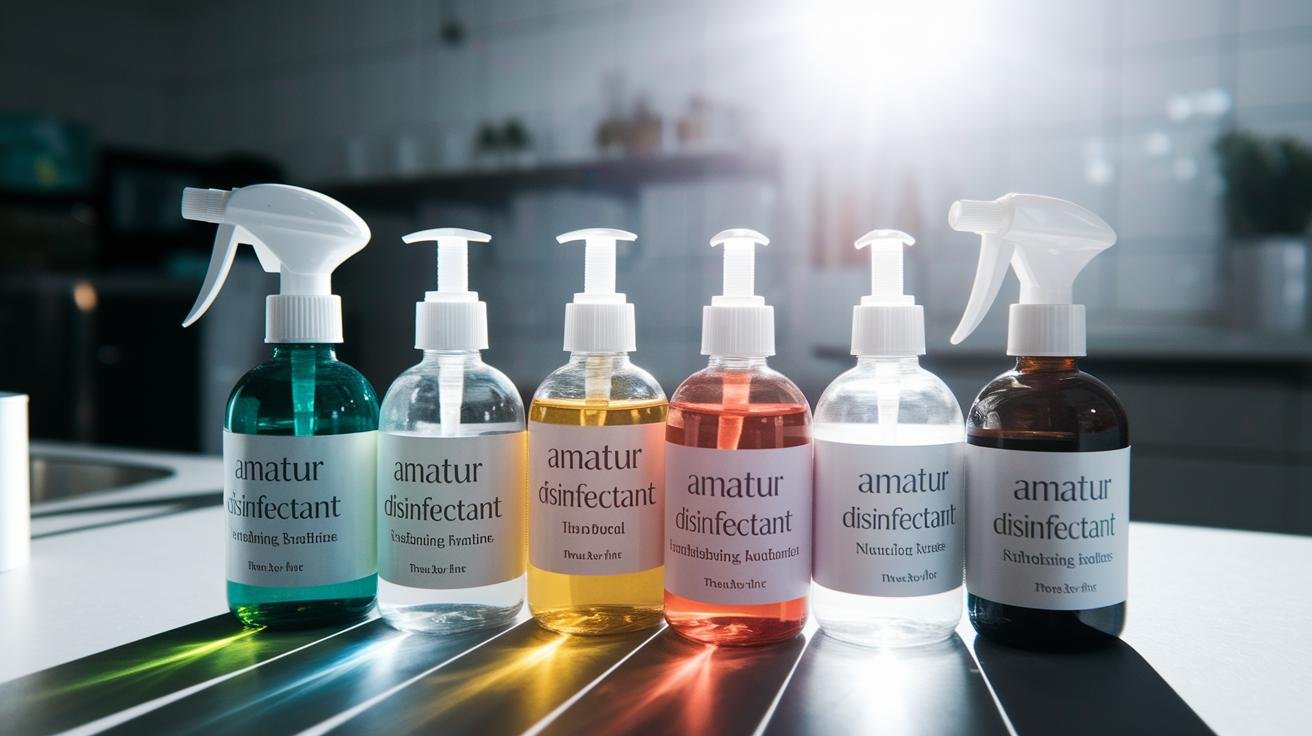
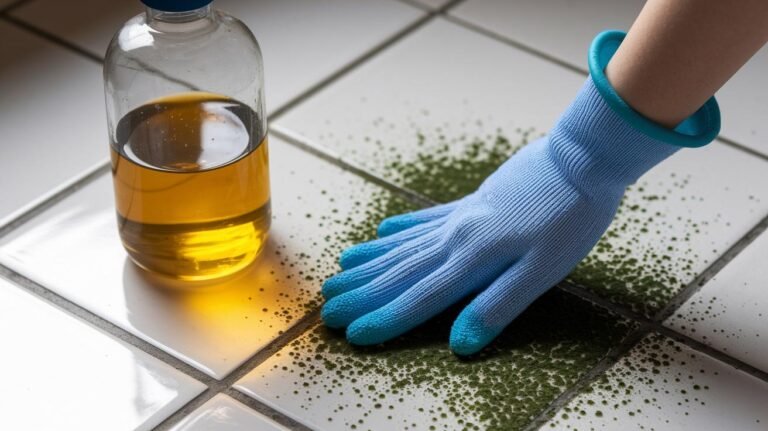
Regular disinfection keeps germs away without leaning on harsh chemical cleaners that sting your skin or make your eyes water. Think of sanitizing as using gentler agents to bring bacteria down to safer levels, while disinfecting is stronger and kills viruses, mold, and fungi. Want a simple toolkit that’s safe for people and pets, kind to the planet, and easy on the wallet?
-
Distilled white vinegar (5 to 11% acetic acid): A classic. It fights bacteria, some viruses, and mold. Leave it wet on the surface for about 15 minutes for best results. Test a small hidden spot first on marble or granite, acid can dull some stone finishes. The smell is sharp at first, then it fades.
-
Hydrogen peroxide (3% solution): Great for counters, toilets, and grout. Spray, let it sit 5 to 10 minutes, then wipe. Never mix it with vinegar, because that can form peracetic acid, which can irritate your eyes and lungs.
-
Rubbing alcohol or vodka (60 to 70%): Fast and dries quick. Works well on doorknobs, phones, and other high-touch things. One or two minutes of wet contact usually does the job. No rinsing needed.
-
Essential oils (tea tree, thieves, eucalyptus, lavender, lemon): Add 5 to 10 drops per cup of your spray to boost antimicrobial action and leave a nice scent. Pick oils safe for your pets and family, some oils can be harmful to cats or dogs. Use them as a supplement, not a sole disinfectant.
-
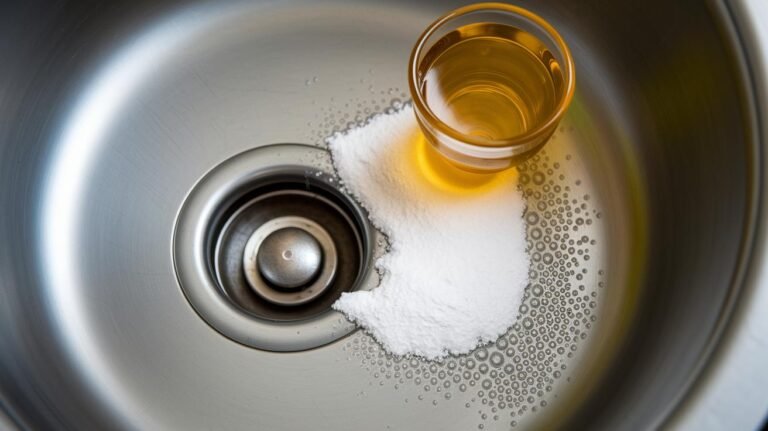
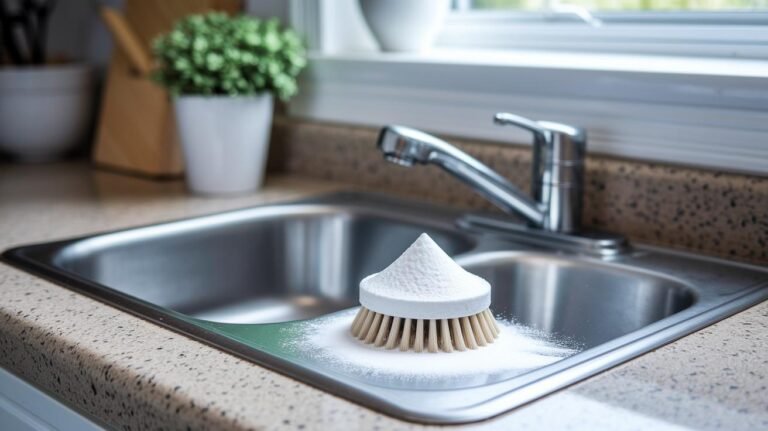
Baking soda: A mild abrasive and deodorizer that helps scrub away stains and grime, perfect for tubs, sinks, and tough spots. Make a paste with water and scrub until clean. See ideas here: https://kangen.health/?p=289
-
Borax: Mix 1/2 cup per gallon of hot water for a budget-friendly disinfectant for walls, tile floors, and laundry. Borax is a mineral salt, so wear gloves if you have sensitive skin and keep it away from baby items.
These six options cover most household needs, from light sanitizing to real disinfection. Got a specific surface in mind? Match the cleaner to the material and the required contact time, and always patch-test delicate finishes before you go all in. Ever noticed your energy dip midday? A quick wipe with the right solution can cut the worry right down.
Kitchen Surface Disinfection with Natural Agents
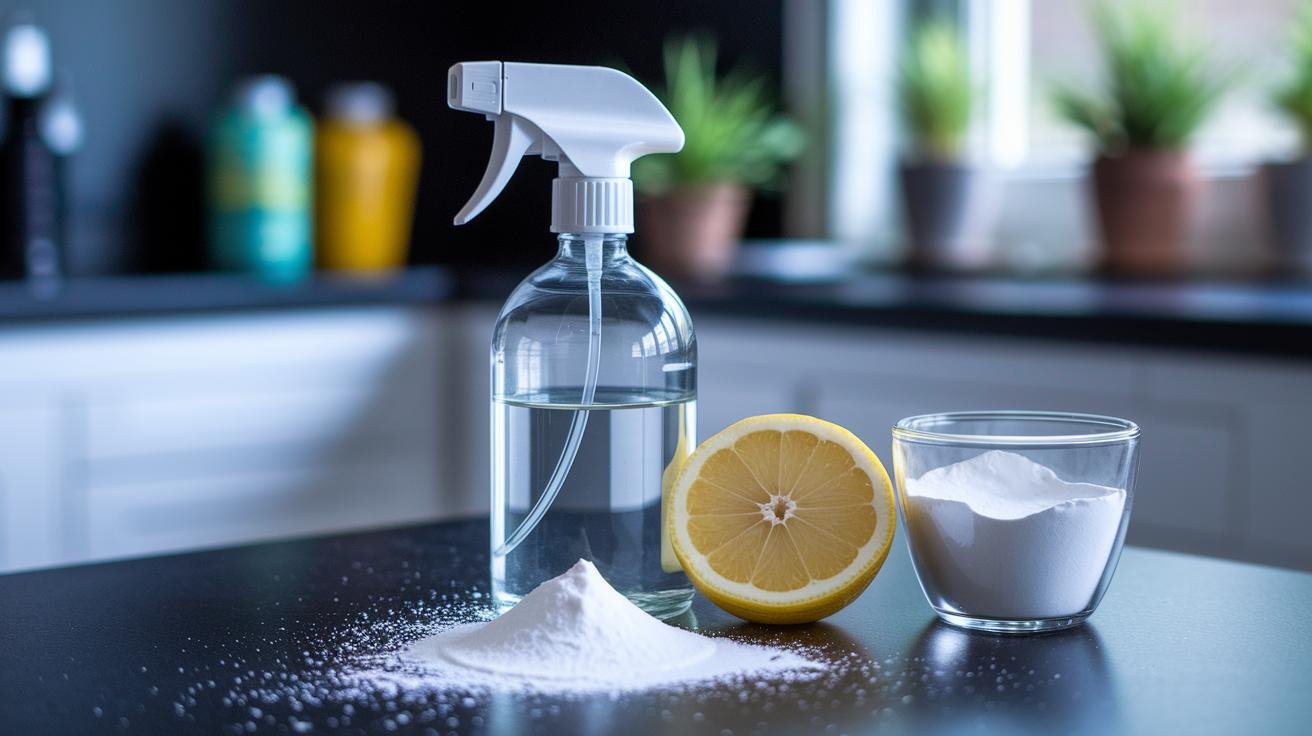
Kitchen counters get the most germs, from raw meat juices to crumbs and sticky spills. Clean first, then disinfect if you need to. Ever noticed how a quick wipe makes a place feel calmer? Same idea.
Vinegar-Water Kitchen Sanitizer
-
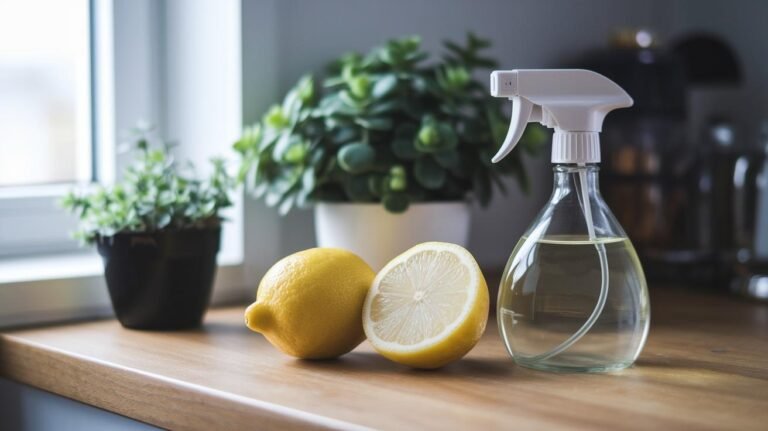
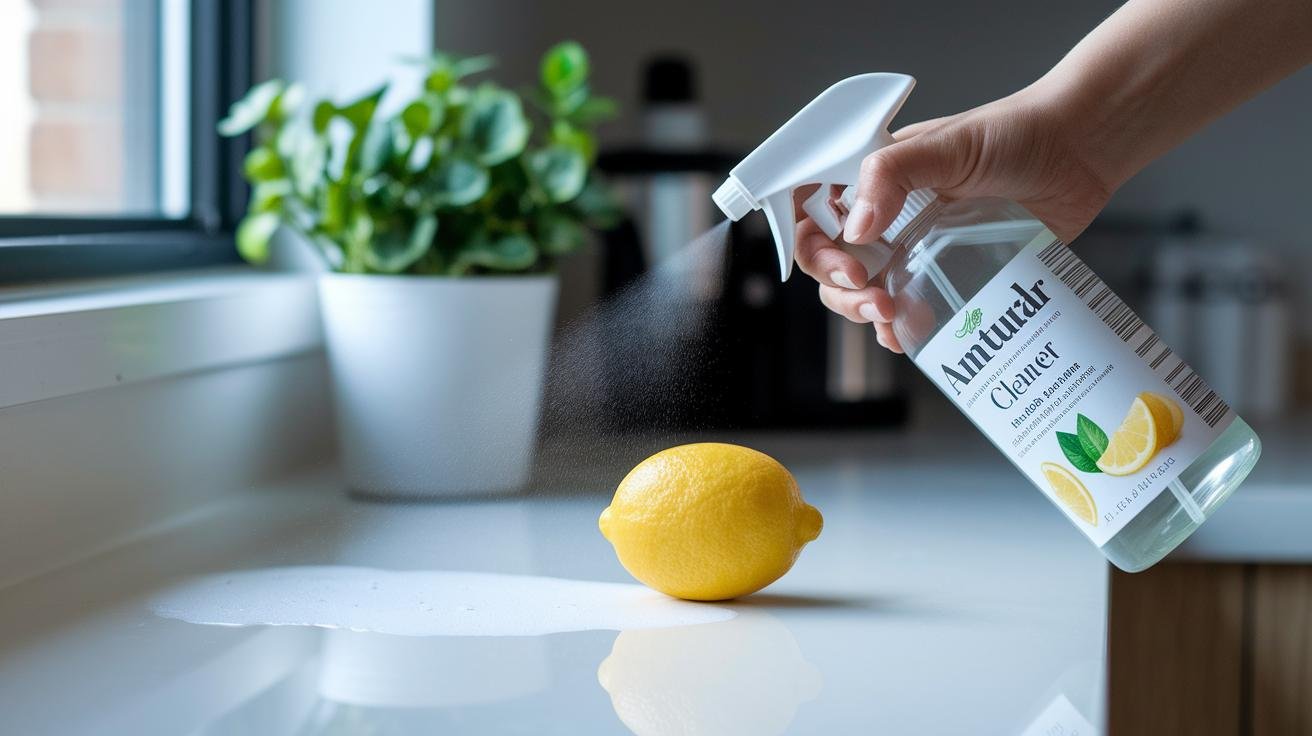
Mix equal parts distilled white vinegar and water (1:1). Example: 1/2 cup distilled white vinegar + 1/2 cup water in a 12 to 16 ounce glass spray bottle. The vinegar has a sharp, bright scent and is acidic (pH means how acidic or alkaline something is; vinegar is on the acidic side).
-
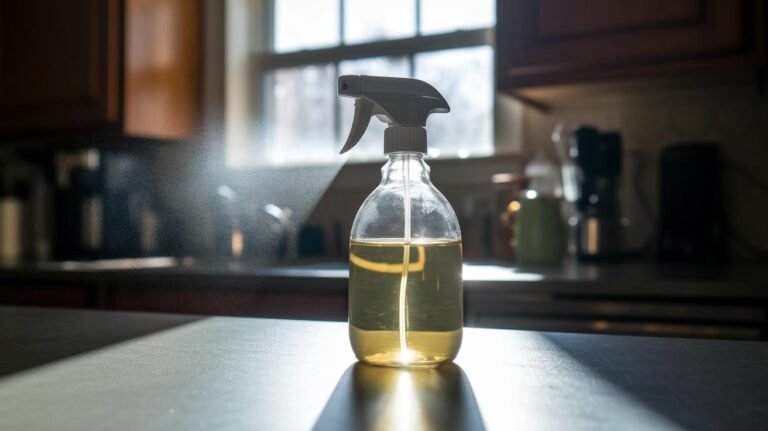
Shake, spray until the surface looks wet, and keep it wet for about 15 minutes so it can work on bacteria, some viruses, and mold.
-
Wipe with a clean cloth, then rinse porous or any food-contact surfaces with plain water and dry before cooking.
-
Test a small hidden spot on natural stone or sealed finishes first. Vinegar can eat away at some stones or coatings, so better safe than sorry.
Lemon-Baking Soda Grease Breaker
-
Squeeze the juice of one lemon into a bowl, then add about 2 tablespoons of baking soda. It will fizz and form a paste. Smells fresh and citrusy.
-
Spread the paste on greasy spots, let it sit a few minutes, scrub with a damp sponge or brush, then rinse well and dry.
-
Store leftovers in a sealed, labeled jar in a cool cabinet and use within 1 to 2 weeks. Label example: "Lemon + baking soda paste – use within 2 weeks."
| Recipe | Ingredients | Contact Time |
|---|---|---|
| Vinegar-Water Spray | Equal parts distilled white vinegar + water (for example 1/2 cup + 1/2 cup) | Keep surface wet about 15 minutes |
| Lemon-Baking Soda Paste | Juice of 1 lemon + about 2 tbsp baking soda | Let sit a few minutes, then scrub and rinse |
Safety note: Don’t mix vinegar with hydrogen peroxide or bleach – those combinations can create harmful chemicals.
Natural Disinfectant Solutions for Bathroom Fixtures
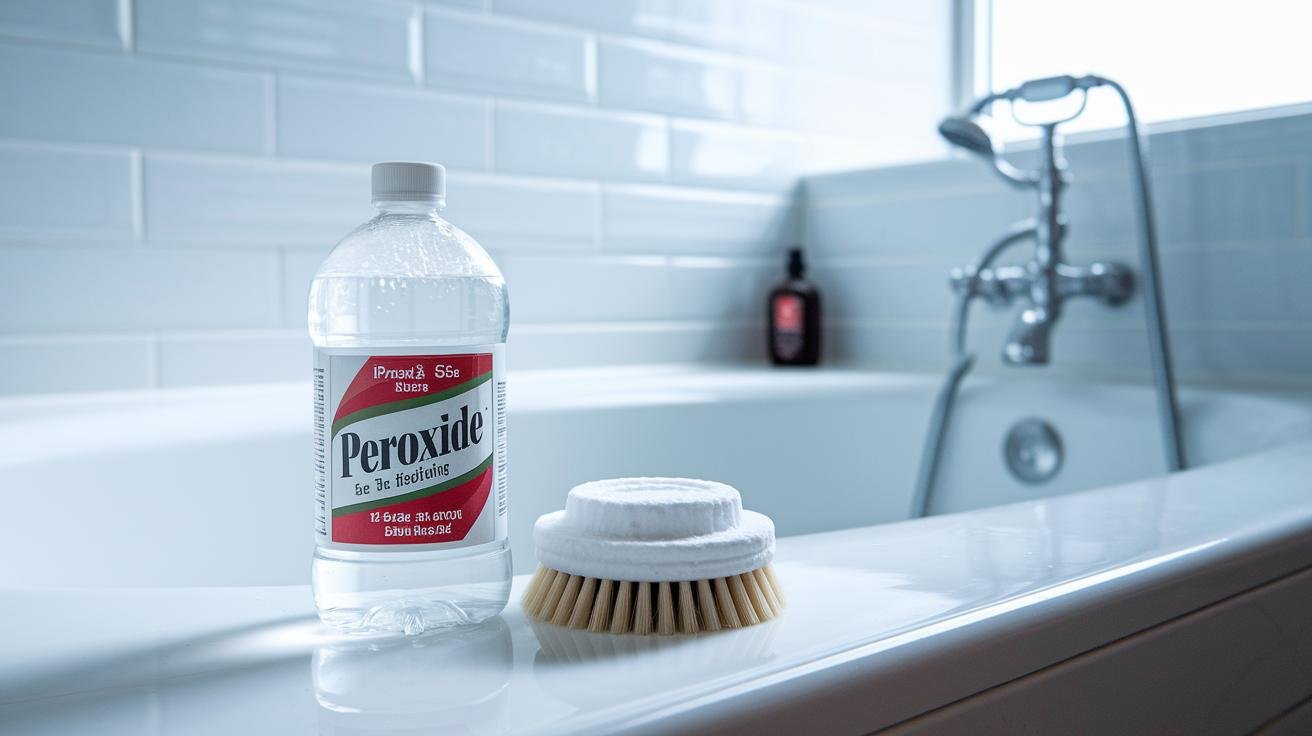
Bathrooms are prime spots for mold and biofilm, especially in grout lines, toilet rims, tub corners and shower tracks. Pick natural, targeted cleaners for routine upkeep and deeper cleanups after illness or leaks. See the main Natural Disinfectants section for the hydrogen peroxide concentration and mixing cautions.
-
Target surfaces
- Grout, toilet rim and under the seat, tub corners, shower door tracks, sink drains.
-
Apply 3% hydrogen peroxide (household strength)
- Spray until the surface looks wet, let it sit 5–10 minutes, then wipe or scrub and rinse.
- Quick note: don’t mix hydrogen peroxide with bleach or vinegar (they can react). See that main section for more mixing cautions.
- Example: Spray grout until little beads form, wait about 7 minutes, then scrub with a brush.
-
Baking soda paste for scrubbing
- Mix baking soda with just enough water to make a thick paste, spread it on stains or scum, scrub, then rinse.
- Example: Dab the paste on a stubborn tub ring, let it sit 5 minutes, scrub with a cloth, rinse away.
-
Tools that work well
- Soft brush or old toothbrush for grout.
- Non-abrasive scrub pad for tubs.
- Squeegee for shower doors.
- Microfiber cloths for the final wipe.
-
Safety and airflow
- Wear gloves if your skin’s sensitive, and open a window or run the fan while cleaning.
- Example: Put on gloves, crack a window, spray, then step outside briefly during the 5–10 minute dwell time.
-
Simple prevention tips
- Squeegee shower walls after each use.
- Dry grout lines when you can.
- Run the fan during and after showers.
- Reseal grout once a year to slow mold and biofilm.
- Example: After your shower, give the glass a quick squeegee swipe. One small habit, big payoff.
Ever noticed your energy dip when the bathroom smells musty? A few minutes of focused cleaning and those little rituals make the space feel fresher, and you’ll probably notice it, too.
Natural Essential Oil Disinfectants for Household Surfaces
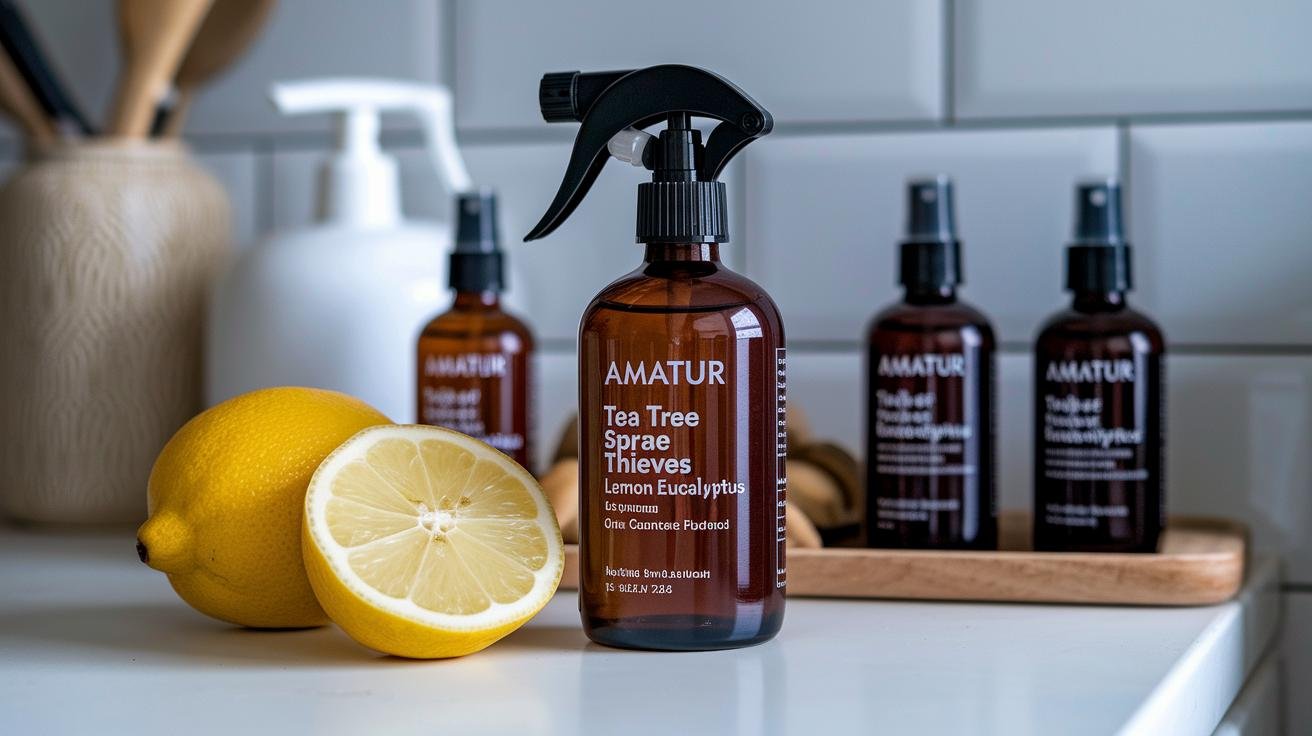
Think of this as a simple add-on to your cleaning routine. These oils give extra germ-fighting power and a fresh scent, but they don’t replace a proper disinfectant.
Common picks: tea tree, thieves blend (a popular essential oil mix), eucalyptus, lavender, and lemon. Ever notice how a little lemon scent can make a room feel cleaner? Yep.
Start with a disinfecting base you trust, like 60-70% rubbing alcohol (isopropyl alcohol; the percent shows how concentrated it is) or another approved disinfectant. Use essential oils only to boost the base. Don’t rely on oils alone.
Mixing guide: add about 5-10 drops of oil per cup (8 ounces) of liquid for everyday use. For stronger scent or stubborn spots, test a small batch with up to 15 drops first. Shake well before each use so the oil spreads through the liquid.
Patch-test first. Spray a hidden spot on wood, paint, or fabric to check for staining or finish changes. If it looks good after a few minutes, you’re probably safe to use it more broadly.
Safety notes: tea tree and eucalyptus can be toxic to cats and some dogs, so keep mixes well out of reach of pets and children. If your skin is sensitive, wear gloves. Label and date bottles, and store them in a cool, dark place.
Quick tip: Shake before use – "Give it one firm shake; the scent brightens like a slice of lemon." Small things like that make chores feel nicer.
Honest answers, weekly
The research, without the sales pitch
One short email a week: what a study actually found, what it didn't, and what's worth your attention. No spam. Unsubscribe anytime.
Steam-Based Natural Disinfectant for Household Surfaces
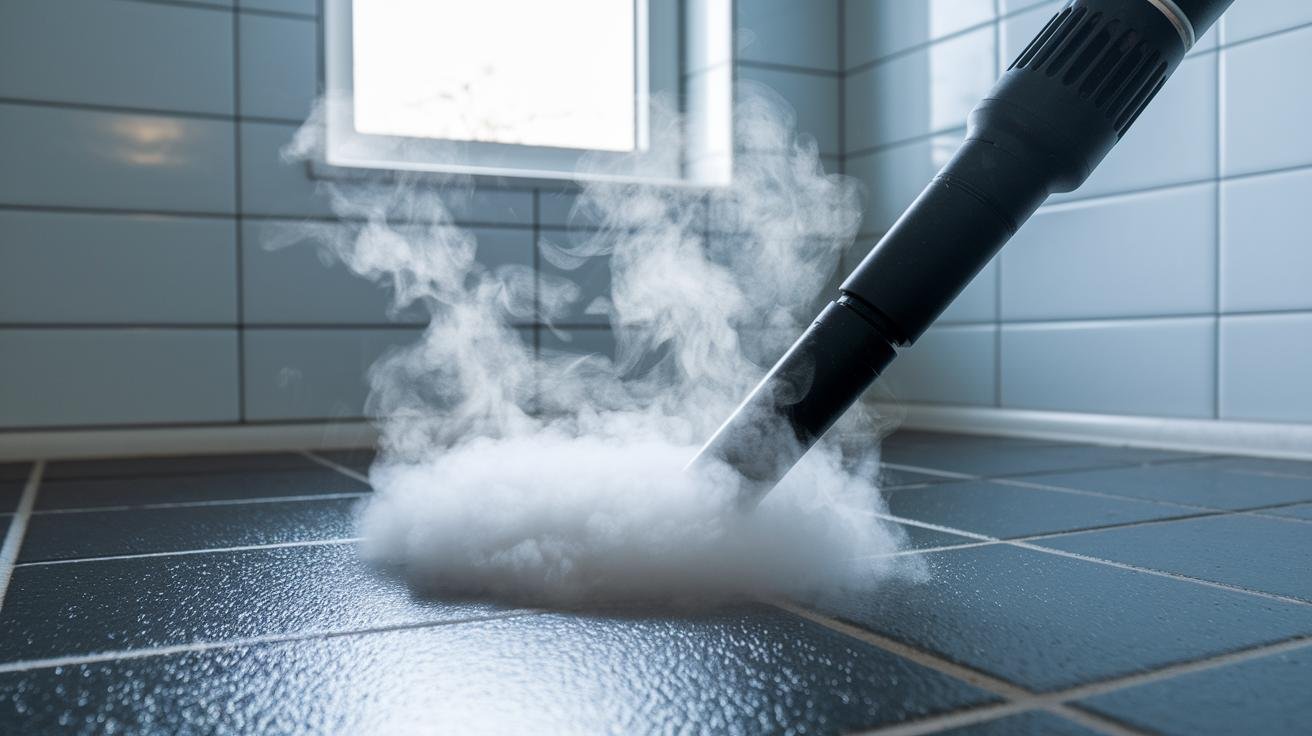
Steam cleaning uses hot, dry vapor to kill germs without chemicals. It feels almost instant, no strong smells, no sticky residue, just warm steam doing the work. Think of it as a quick, chemical-free reset for rooms that see heavy daily use. Ever notice how a warm mist can make a place feel freshly cleaned? Yep, that’s part of it.
Set the steam to about 212°F (100°C) and hold the nozzle over the surface for a second or two as you move. Dry steam at that temp can wipe out about 99.9% of many bacteria and a number of viruses, including MRSA (an antibiotic-resistant bacteria), C. diff (Clostridioides difficile, which can cause gut infections), norovirus, and COVID-19. The heat and low moisture break down microbial cells and biofilms (those slimy protective layers microbes make) fast. Because these machines use very little water, surfaces don’t stay soggy and they dry quickly.
Great spots to try it: upholstery, carpets, rugs, windows, tile floors, grout lines, and sealed countertops. Quick tips: vacuum first to pull up loose dirt. Use the right nozzle for grout or fabric. Move the wand slowly so the steam has time to work. Test a hidden patch on delicate fabrics and finishes before you do the whole thing.
If a surface is heat-sensitive or has special sealers, follow the machine maker’s directions and be gentle there. Let treated areas cool and dry before you touch them., when in doubt, take it slow and safe. And one last thing: a little patience goes a long way with steam.
Safety Tips and Surface Compatibility for Natural Disinfectants
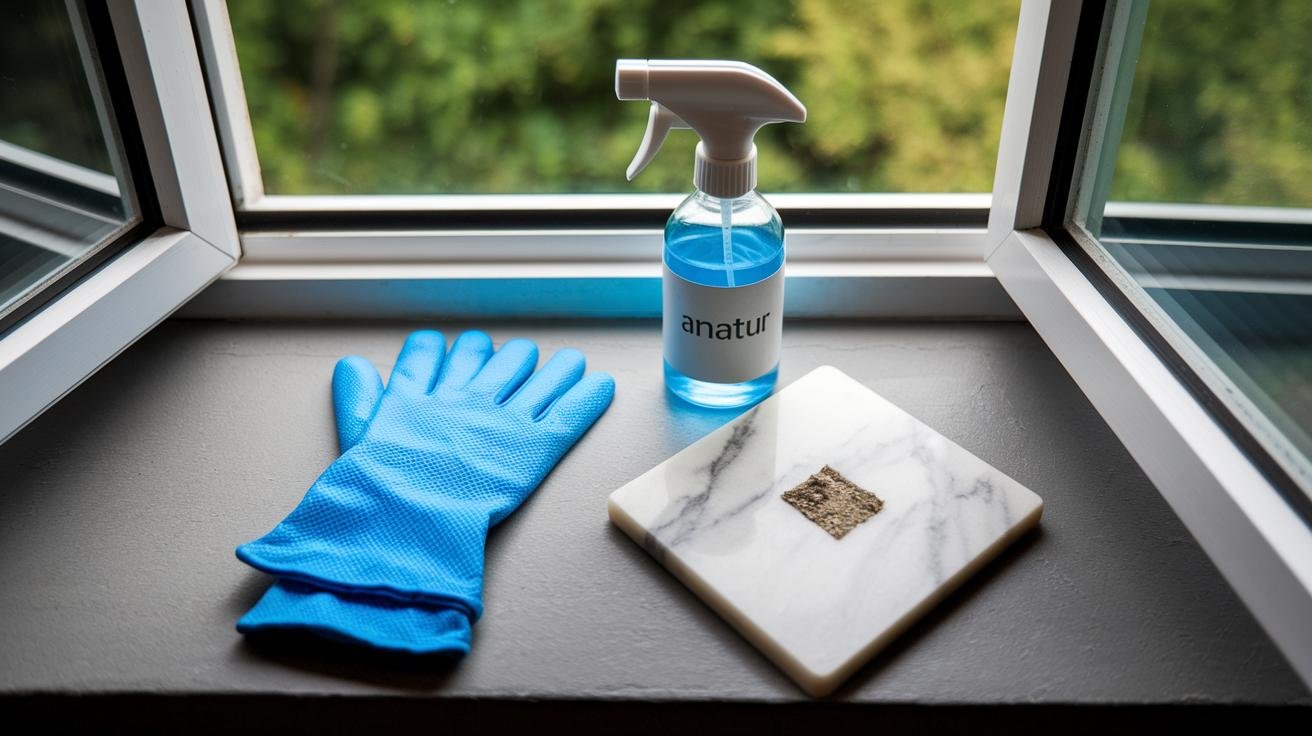
Quick practical notes for using natural cleaners safely and effectively. Think of these as little rules you can stick on recipe cards or labels.
Contact time matters – that’s how long the surface needs to stay visibly wet so the disinfectant can work. Set a timer and don’t rush the wipe.
- Vinegar (acetic acid) – 15 minutes contact time. Vinegar has a sharp smell and needs time to do its job.
- Hydrogen peroxide (H2O2) – 5 to 10 minutes contact time. It bubbles a bit and can sting if it gets on cuts.
- Alcohol-based sprays (ethanol or isopropyl alcohol) – 1 to 2 minutes contact time. They evaporate fast, so keep the surface wet for the full minute.
Never mix hydrogen peroxide with vinegar – that combo can form peracetic acid (a corrosive, irritating chemical). : don’t mix them.
Also never mix bleach (sodium hypochlorite solution) with acids or with hydrogen peroxide – mixing can release toxic gases. Label this warning clearly on any recipe cards or spray bottles.
Use a short timer so you won’t forget dwell times. Set your phone or a kitchen timer for each disinfectant.
Small practical example – Set a 15-minute timer when you spray vinegar, then wipe.
Ever forgotten dwell times? Me too. A timer fixes that, and your surfaces will actually get clean.
Eco-Impact and Cost Savings of DIY Natural Disinfectants
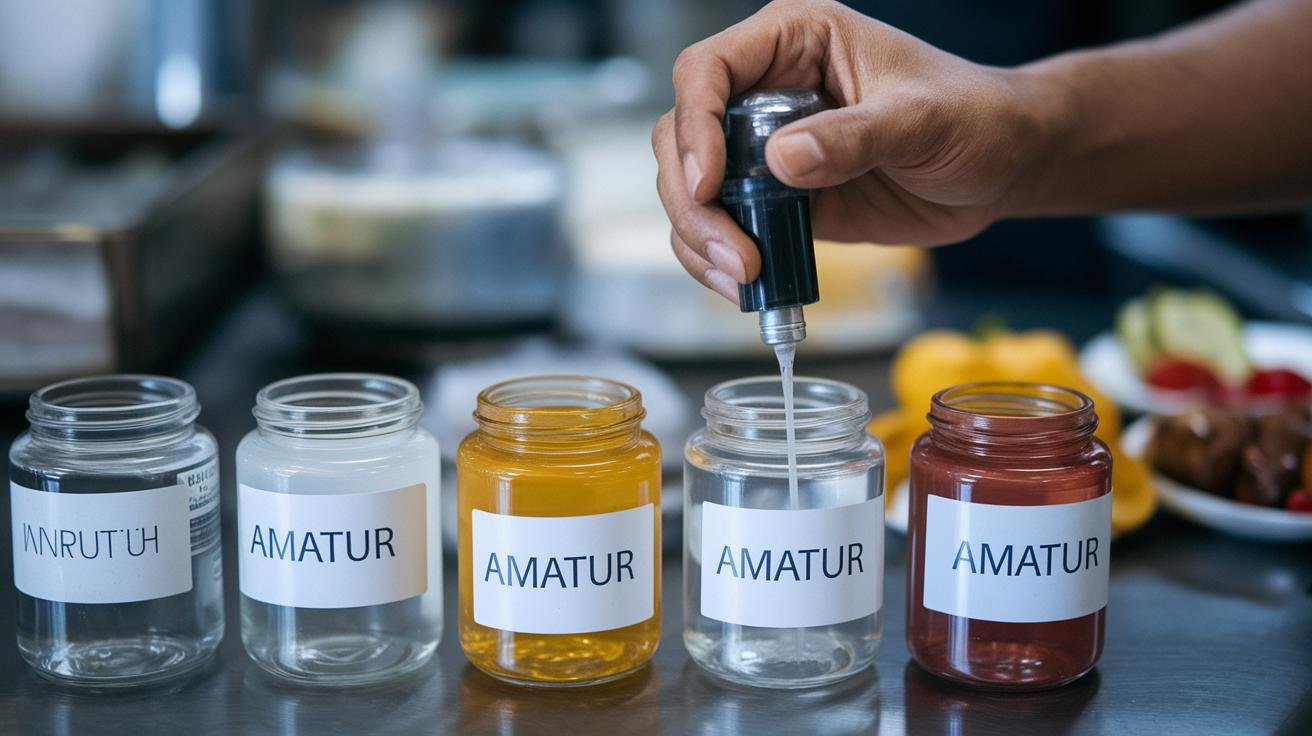
Making your own natural disinfectants cuts trash and saves money. Refillable glass bottles and simple measured concentrates mean fewer single-use plastic bottles and less shipping weight. You also get to choose the scent and strength, so you skip many petrochemical additives and the pricey branded packaging. Feels good. Hmm.
Use stronger distilled white vinegar, like 11% acetic acid (acetic acid is what makes vinegar acidic), to get more bang for your buck. It roughly doubles the usable yield compared with common 5% vinegar, so you end up buying less overall.
Shelf life depends on the water you use. Mixes made with tap or filtered water last about two to four weeks. If you mix with distilled water (no minerals) and keep bottles cool and dark, expect three to six months of stability. Label and date every bottle so you know when to refresh it.
Pick refillable spray options, like amber glass bottles with fine-mist pumps. The amber glass helps protect sunlight-sensitive ingredients. Refill from bulk concentrates and you can cut single-use plastic by up to 100 percent. Bulk buys of vinegar, baking soda (sodium bicarbonate), and hydrogen peroxide (a mild disinfectant) also shrink cost per ounce.
A small upfront buy of bottles, funnels, and a measuring cup pays back fast. On a tight budget, make concentrated batches and dilute per use so each bottle stretches farther. Simple. Practical. Cleaner home, less waste.
Final Words
We jumped straight into six natural disinfectants, vinegar, hydrogen peroxide, alcohol, essential oils, baking soda, and borax, and shared quick contact times plus how to use them on counters and fixtures.
We covered kitchen and bathroom recipes, steam cleaning as a chemical-free option, safety tips for delicate surfaces and pets, and ways to cut plastic and costs with refillable bottles.
Use these simple steps, tweak them to fit your routine, and keep a labeled spray or steamer handy. Stick with these natural disinfectants for household surfaces and you’ll enjoy safer, fresher spaces and fewer harsh chemicals.
Where ionized water fits, and where it does not
A water ionizer produces strong acidic water at around 2.5 pH, which is widely used as a cleaning rinse for counters, cutting boards, sinks and other high-touch hard surfaces. It is the everyday wipe-down that most people currently reach for a spray bottle to handle.
We would rather be straight with you about the limits. Strong acidic water is a cleaning water, not an EPA-registered disinfectant. It is not a substitute for one when a disinfectant is actually required, such as during illness in the household or after handling raw meat. Use the products above, and the contact times they specify, for those jobs.
Where the machine earns its place is the other 90 per cent of household cleaning, plus strong alkaline water at 11.0 pH for grease and oil. Both are produced on demand from your own tap by the same machine that makes your drinking water.
FAQ
Frequently Asked Questions
Natural disinfectants for household surfaces (homemade / DIY / examples)
Homemade natural disinfectants for household surfaces include distilled white vinegar (5–11%), 3% hydrogen peroxide, 60–70% rubbing alcohol, essential oils, baking soda, and borax.
Best natural disinfectants for household surfaces / What is the most effective natural disinfectant?
The most effective natural disinfectant is dry steam at about 212°F; it kills 99.9% of bacteria and viruses in seconds. Strong liquid options include hydrogen peroxide and 60–70% alcohol.
Natural disinfectant for kitchen
A natural disinfectant for kitchen surfaces is a 1:1 white vinegar and water spray; leave for 15 minutes, then rinse. For grease, use lemon juice plus 2 tablespoons baking soda as a scrub.
Natural disinfectant spray / What disinfectant spray kills norovirus?
A natural disinfectant spray that can kill norovirus is a 60–70% alcohol spray or a 3% hydrogen peroxide spray, though dry steam at 212°F is the most reliable chemical-free option.
How to disinfect a house after an RSV / How to disinfect your house naturally?
To disinfect a house after RSV, clean high-touch surfaces with 60–70% alcohol or 3% hydrogen peroxide, wash linens in hot water, steam-clean soft items, ventilate rooms, and follow recommended contact times.
Before you go
Get the next honest answer by email
We'd rather tell you when the answer is no. One email a week, written the same way as this post.