

One Alkaline Urine Reassuring Answers
Think alkaline urine always means trouble? Not usually.
Urine pH (how acidic or alkaline something is) above 7.0 just means your pee is on the alkaline side. That single number often reflects what you ate, how much you drank, or a short-term effect from meds or an infection, like after a big veggie meal or when you’re taking certain antibiotics.
So one alkaline result? Usually nothing urgent. , it’s usually not something to panic about.
But if it keeps showing up, see your clinician so they can check what’s behind it. They’ll look for things like a lingering infection, medication effects, or other causes that might need follow-up.
One Alkaline Urine Reassuring Answers
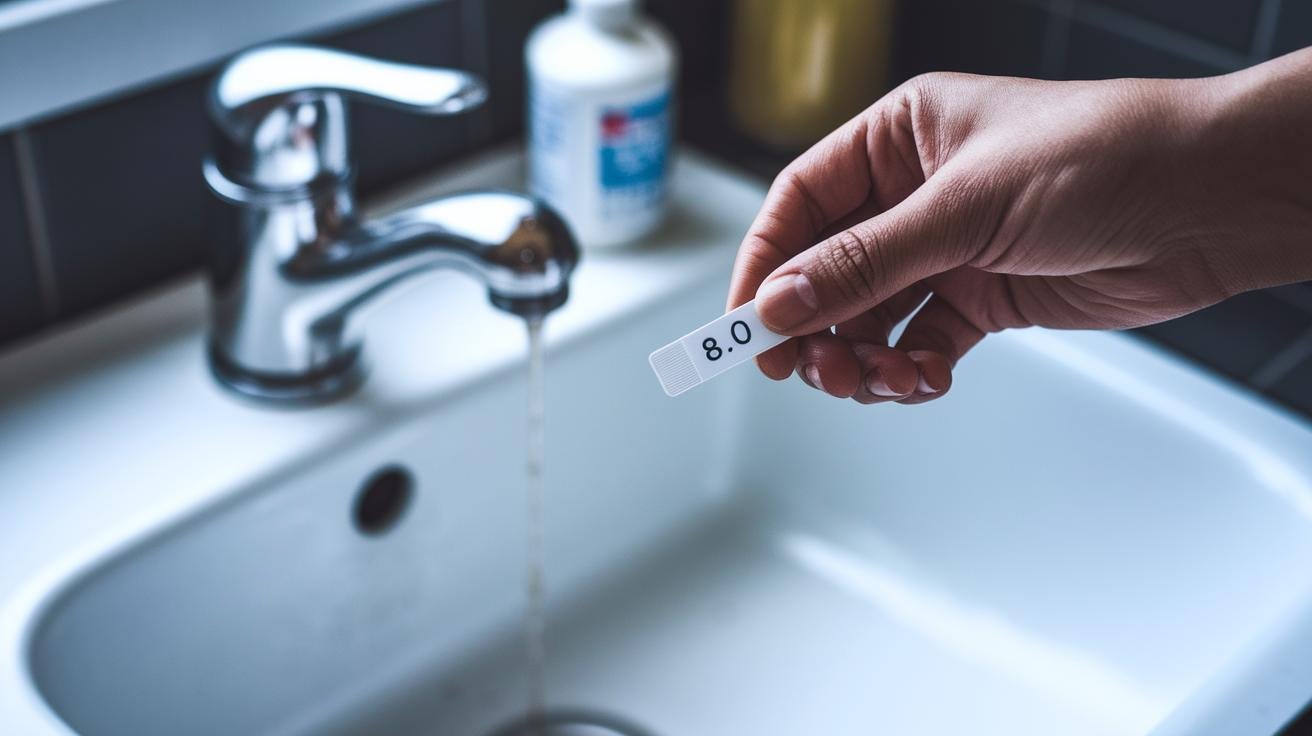
Urine pH tells you how acidic or alkaline your pee is on a 0 to 14 scale. pH (how acidic or alkaline something is). Lower numbers mean more acid, higher numbers mean more alkaline. When urine measures above 7.0, we call it alkaline urine. That single number can give quick clues about your diet, how hydrated you are, infections, and how your body is handling acids and bases.
The pH scale runs from 0 to 14. Normal urine usually falls between about 4.5 and 8.0. In healthy people it tends to sit around 6.8 to 7.0, so anything above 7 shifts toward alkalinity. That shift reflects what your kidneys are doing, they excrete extra acid or base to keep your blood pH steady.
Keeping urine near neutral really helps. A pH around 6.8 to 7.0 limits bacterial growth in the bladder and can cut down on UTI signs like cloudy or burning urine. Alkaline urine, though, can encourage calcium phosphate and struvite crystals (minerals that can clump into stones) to form, which raises kidney stone risk. So staying near neutral helps keep minerals dissolved and lowers that chance.
Ever had a test say your urine is alkaline and wondered if it’s bad? If alkaline urine shows up often, talk with a clinician so they can check the cause. : see a healthcare pro if it’s a recurring finding, not just a one-off. Better safe than sorry.
Common Causes of Alkaline Urine: Dietary and Medical Factors
Dietary Factors
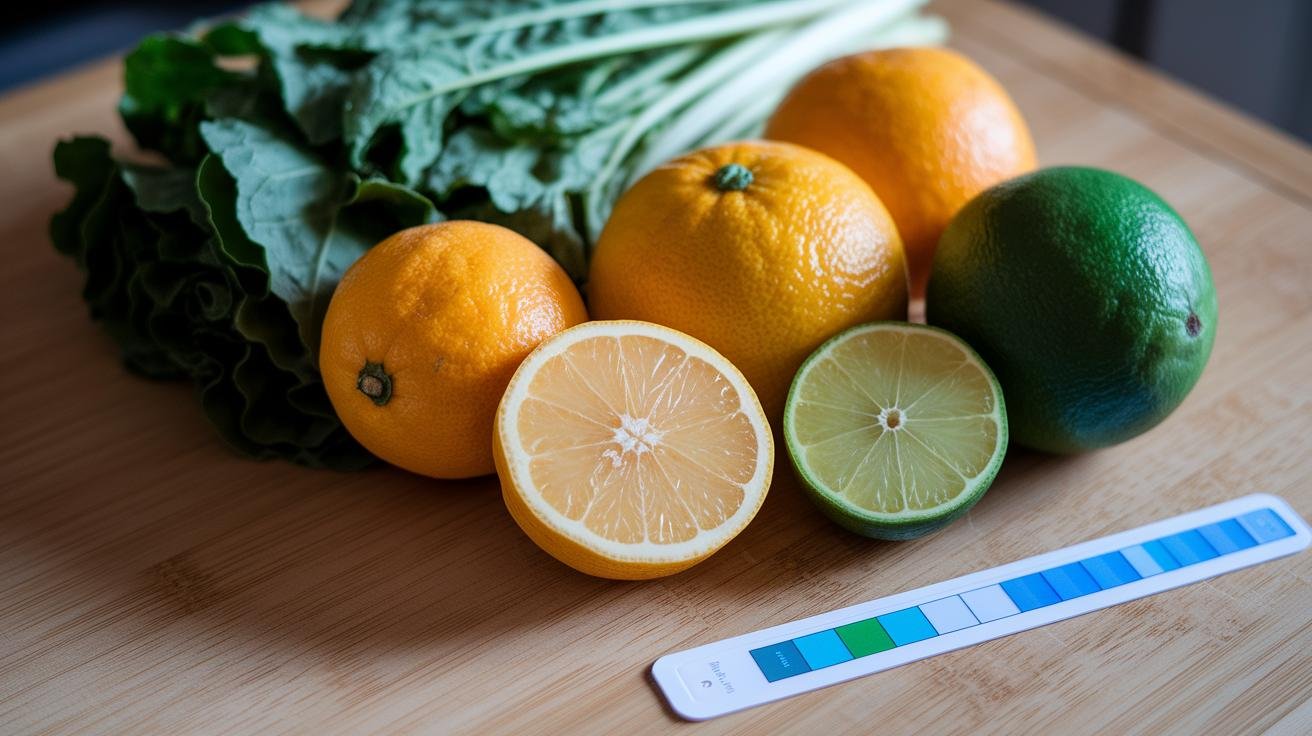
If you eat a lot of fruits and vegetables, your urine often becomes more alkaline. pH (how acidic or alkaline something is) moves toward the alkaline side because many plant foods leave an alkaline ash after digestion. Think greens, citrus (yes, citrus can be alkalizing even though it tastes acidic), and some roots. They boost bicarbonate and potassium in the body, and that nudges pH up.
Supplements matter too. Potassium citrate or regular use of bicarbonate-containing antacids can push urine toward alkalinity. On the flip side, a meat-heavy, high-protein diet usually makes urine more acidic. Small swaps, more veggies, fewer processed salty snacks, can shift readings toward neutral without much effort. I’ve seen it happen in a week or two.
Medical and Microbial Causes
Some infections change urine chemistry directly. Certain bacteria make an enzyme called urease (Proteus species are a common example). Urease breaks urea into ammonia (a basic compound that can smell sharp), which raises urine pH and encourages some crystals to form (like struvite). Ever smelled that strong, ammonia-like odor in the bathroom? That can be a hint.
Other medical things can raise urine pH. Bicarbonate therapy, chronic antacid use, distal renal tubular acidosis (a kidney problem that affects acid balance), and prolonged vomiting (which means loss of stomach acid) all can increase pH. If your readings stay high despite diet changes, talk with your clinician, um, they can help figure out whether it’s dietary or medical and recommend the right next step.
Symptoms and Health Implications of Alkaline Urine
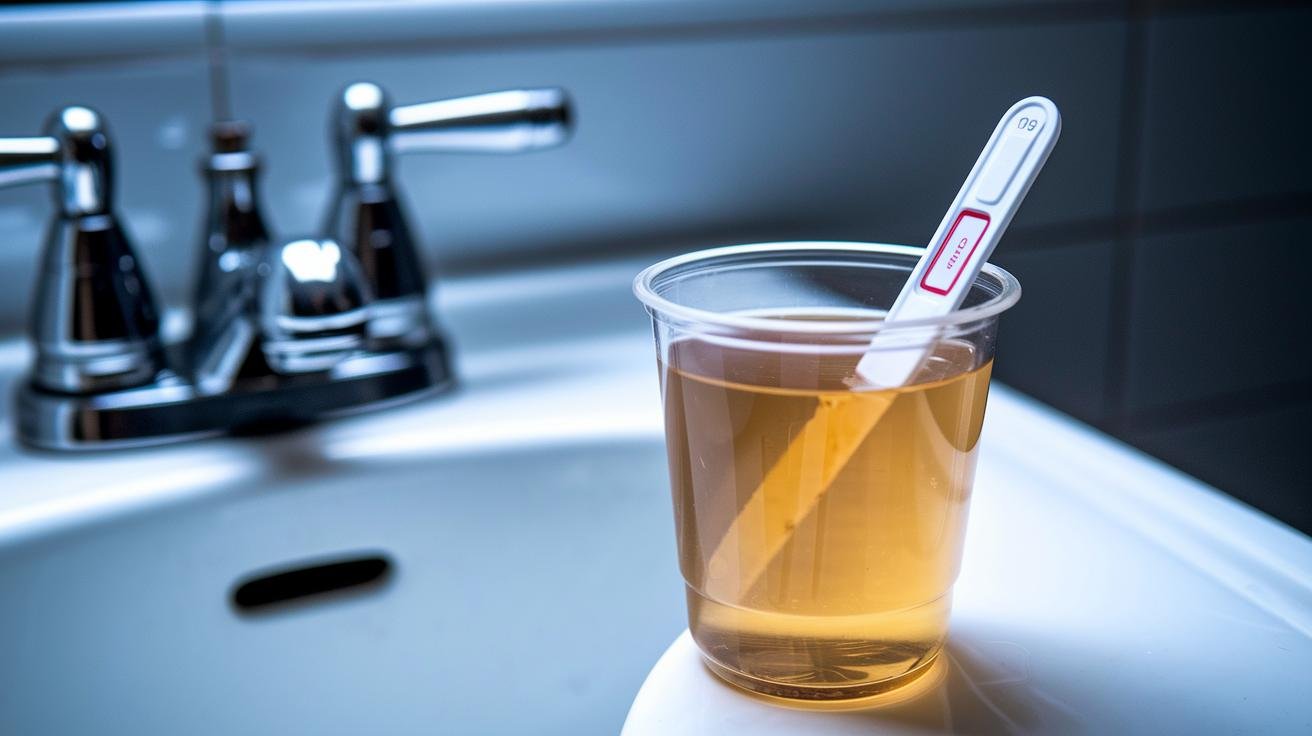
Alkaline urine means the urine leans more basic on the pH scale (pH is how acidic or alkaline something is). Symptoms can change a lot depending on what’s causing it. If a urinary tract infection (UTI) is the reason, you might feel like you have to pee all the time, get sudden urgency, feel a burning when you go, or notice cloudy, foul-smelling urine. Sometimes there are no symptoms at all and the only hint is a routine test that reads high pH. Ever felt a dull side ache after a weird urine result? That pain could be your body talking. Hmm, wait, let me rephrase that… it could be a stone moving.
Alkaline urine makes it easier for certain crystals to form, ones that don’t show up so much in acidic urine. That raises the risk for calcium phosphate stones and struvite stones (struvite is often linked to infections). You may also see phosphate, ammonium urate, or carbonate crystals in alkaline samples. If those crystals clump together they can become stones that cause sharp pain or block urine flow. Pure refreshment. Well not that kind.
Alkaline readings can also point to a urease-producing infection (that’s bacteria that make an enzyme called urease which raises urine pH) or a metabolic shift like metabolic alkalosis (when the body’s fluids become too alkaline). In truth, if your urine stays alkaline on repeat tests, or you get a fever, sudden severe pain, or big changes in how you urinate, see a clinician. Get checked and treated as needed.
Testing and Diagnosing Alkaline Urine: Methods and Best Practices
Urine Test Strips
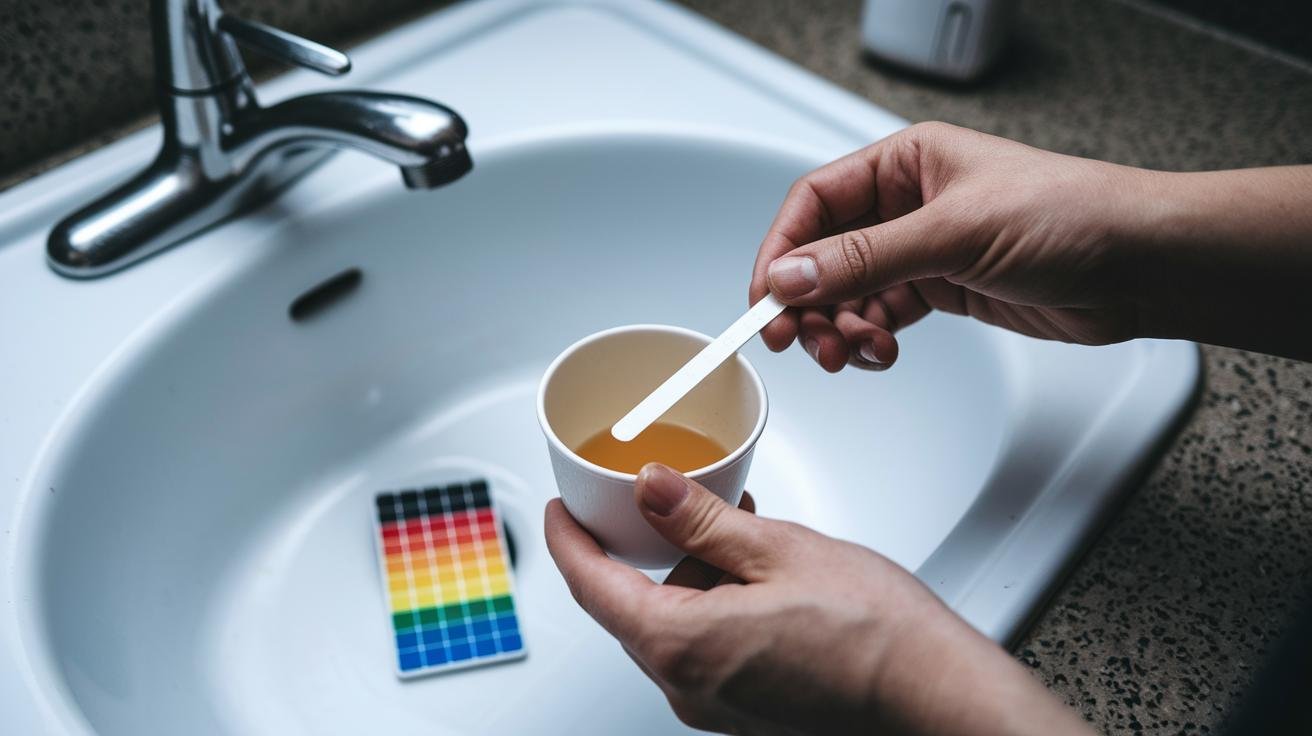
Home pH test strips are fast and cheap. Collect a midstream sample in a clean cup, just like you’d do at the doctor. Dip the strip for a moment, then match the color right away. Colors can drift if you wait.
First-morning urine is often more concentrated and can read differently than a random daytime sample. So think about timing. Ever noticed your numbers change during the day?
Store strips somewhere dry and check the expiration date. Avoid contamination from toilet water, soap, or anything else, rinse and dry the cup first. Read the color chart within the time the package says. If you don’t, the result can look more alkaline than it really is.
If strips keep showing alkaline results, repeat the test and write down the times and any symptoms. Patterns matter more than a single reading.
Lab Analysis and pH Meters
Clinical labs and portable pH meters give more precise readings. pH meters measure electrical voltage and convert it to pH (how acidic or alkaline something is). Labs regularly calibrate instruments and run quality checks, so their numbers are usually more reliable than home strips.
Portable meters are handy if you want to monitor often, but they need regular calibration with standard buffer solutions and clean electrodes. Treat them like a tool that needs care.
When a clinician evaluates alkaline urine, they look at trends, symptoms, and other lab tests, not just one number. So bring a few recorded readings if your urine stays alkaline or if you have symptoms like burning, fever, or pain in the side. That extra context helps guide next steps.
Honest answers, weekly
The research, without the sales pitch
One short email a week: what a study actually found, what it didn't, and what's worth your attention. No spam. Unsubscribe anytime.
Managing and Preventing Alkaline Urine: Diet, Hydration, and Treatment
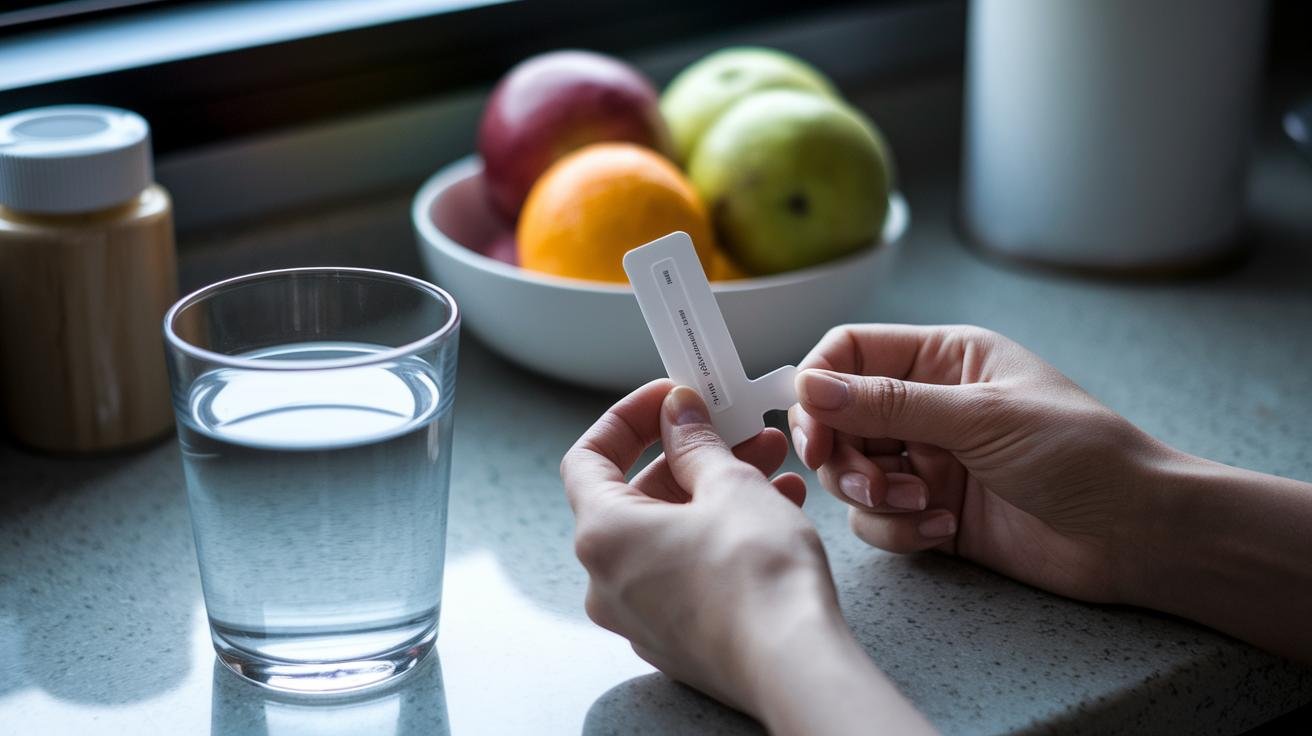
Start with the cause. If a urinary tract infection is raising your urine pH (pH is how acidic or alkaline something is), antibiotics your clinician prescribes usually clear the bacteria and bring pH back toward neutral. Ever noticed your numbers shift after a short antibiotic course? That’s why treating infections comes first.
If you take antacids or bicarbonate therapy often, talk with your clinician about adjusting the dose, because these medicines can raise urine pH. Hydration matters a lot. Drinking enough water dilutes urine, helps keep minerals dissolved, and lowers the chance of stones.
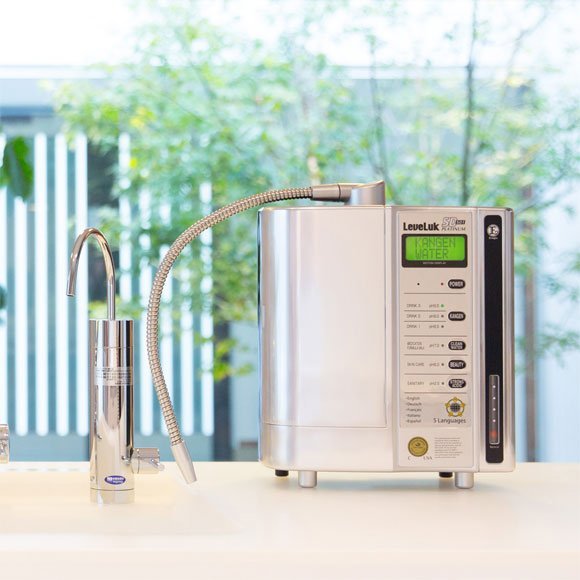
For daily drinking, plain water works great. You can use alkaline water for hydration if you like the taste or the buffering minerals (minerals that can neutralize acid), but check with your clinician about long-term use.
Diet changes are one of the easiest tools. Small, steady shifts toward more fruits and vegetables push urine toward neutral. Many plant foods leave an alkaline ash after digestion (a residue that makes urine less acidic). Cut back on big portions of red meat, extra salt, and sugary drinks, they tend to acidify urine or increase stone risk. Ever felt different after a heavy steak dinner? Hmm.
If a provider recommends it, citrate supplements like potassium citrate (a supplement that helps make urine less acidic) or sodium bicarbonate can raise urinary pH. Potassium citrate is commonly used to prevent kidney stones. Take these only under medical supervision.
Monitor trends, not single readings. Test urine pH at home with strips now and then, or get lab tests, and track patterns over time. , tracking patterns helps you spot problems early and prevents recurring alkaline urine.
Seek medical advice if alkaline urine keeps showing up or if you have pain, fever, or urinary symptoms.
- Treat infections or underlying conditions as your healthcare professional directs.
- Keep fluids up with water or alkaline water for hydration to support normal urine concentration and pH.
- Follow an alkalizing diet (see alkaline foods chart for ideas).
- Consider potassium citrate or sodium bicarbonate only under medical supervision (potassium citrate is commonly used in stone prevention).
- Monitor urine pH regularly with home strips or lab tests to track trends.
- See your clinician if alkaline urine persists or comes with pain, fever, or other urinary symptoms.
Final Words
We jumped right into what alkaline urine means, a urine pH above 7, and how kidneys balance acid-base to help block bacteria and limit stone formation. We covered causes like diet, urease-producing infections, meds, common symptoms, and how to test pH at home or in the lab.
Simple actions, drink enough water (or alkaline water), treat infections, tweak your diet, and monitor pH, really add up. With steady care, alkaline urine is often manageable and you can feel better.
FAQ
Alkaline urine pH
Alkaline urine pH means urine measures above 7.0 on the 0–14 pH scale. Normal urine ranges about 4.5 to 8.0, with a healthy near-neutral value around 6.8–7.0.
Alkaline urine causes
Causes include diets high in fruits and vegetables, urease-producing bacteria (e.g., Proteus) in UTIs, bicarbonate medicines or antacids, distal renal tubular acidosis, and loss of stomach acid from severe vomiting.
What foods cause alkaline urine?
Foods that can raise urine pH include most fruits, vegetables, citrus, and some legumes. Potassium-rich supplements or potassium citrate can also increase urinary pH.
Alkaline urine symptoms / Is alkaline urine dangerous / Is it better to have alkaline urine?
When infection is present, symptoms may include frequent urination, burning, and cloudy or foul-smelling urine. Alkaline urine can increase the risk of calcium phosphate and struvite stones, so a near-neutral pH is generally healthier.
Normal pH of urine in female
The normal urine pH for females is similar to males, typically 4.5 to 8.0, with a healthy midpoint near 6.8–7.0 that helps limit bacterial growth and stone formation.
Alkaline urine treatment / How to fix alkaline urine?
Treat the underlying cause: antibiotics for a UTI, stop or adjust antacids, stay hydrated, consider dietary changes, or use potassium citrate under medical guidance. Monitor pH and see your provider if it persists.
Symptoms of acidic urine / Is low pH in urine dangerous?
Acidic urine can have a strong odor, darker color, and cause irritation; it’s often linked to dehydration or a high-protein diet. Very low urine pH may indicate metabolic acidosis and should be evaluated by a clinician.
Before you go
Get the next honest answer by email
We'd rather tell you when the answer is no. One email a week, written the same way as this post.