
What is a boil water advisory? What the notice means, and when boiling is the wrong move
We sell water ionizers, and an ionizer is not a substitute for boiling during an advisory, so nothing in this guide ends with a reason to buy one from us. We would rather say that in the first line than bury it.
What is a boil water advisory? It is a notice from your water utility or health agency telling you that your tap water may contain germs, and that you should boil it or use bottled water until further notice. It is one of three kinds of water notice, and the only one where boiling is the answer. Below: what it means, why it happens, what to do while it lasts, and what to flush afterward.
What is a boil water advisory, in plain terms

The CDC says water utilities or government agencies issue drinking water advisories when tap water “is, or could be, contaminated” with germs, chemicals, toxins, or radioactive materials. A boil water advisory is the version aimed at germs, because, in the CDC’s words, “boiling kills germs in the tap water that could make you sick.”
“Could be” matters. The New York State Department of Health describes them as issued “as a precaution” when an unexpected condition creates “a potential for biological contamination.” It does not have to mean germs were found. Whether it is called an advisory or a notice, the instructions matter more than the title.
New York says a boil water event “typically” lasts 24 to 48 hours, but it can run several days while the problem is fixed and lab results confirm the water is safe. You will get a public notice when it is lifted.
Why utilities issue a boil water advisory
New York lists the common causes as “loss of pressure in the distribution system, loss of disinfection, and other unexpected water quality problems,” often following water line breaks, treatment disruptions, power outages, and floods. When disinfection lapses, the chlorine that normally protects water in the pipes stops doing its job. Our guide to why there is chlorine in tap water explains what that disinfectant is for.
For the most serious situations, federal rules set the clock. Under 40 CFR 141.202, a “Tier 1” situation requires the water system to notify the public “as soon as practical but no later than 24 hours” after it learns of the problem, by broadcast media, posting, hand delivery, or another approved method. The Tier 1 list includes E. coli violations, treatment failures, and natural disasters that disrupt the supply. It also includes nitrate or nitrite violations and chemical spills, which are not germ problems at all.
Boil water vs. do not drink vs. do not use
The CDC describes three types of advisory:
- Boil water advisory: boil your tap water before using it, or use commercially bottled water. This one is for germs.
- Do not drink advisory: use commercially bottled water for drinking and cooking. The CDC says these are typically issued for harmful chemicals or toxins, and “boiling water containing harmful chemicals or toxins will not make the water safe to use.”
- Do not use advisory: use bottled water for all purposes, because any contact with the tap water, including skin, lungs, or eyes, could be dangerous. The CDC notes these are rare.
This is when boiling is the wrong move. Boiling drives off water as steam, and for some contaminants that concentrates what is left. Minnesota’s health department says plainly that boiling “will make nitrate more concentrated” (see our nitrates in water test guide), and boiling does not remove lead either (see is tap water safe to drink). If your notice says “do not drink,” use bottled water, not boiled tap water.
Honest answers, weekly
The research, without the sales pitch
One short email a week: what a study actually found, what it didn't, and what's worth your attention. No spam. Unsubscribe anytime.
What to do during a boil water advisory
The CDC’s boiling instructions: bring the water to a full rolling boil for 1 minute, or 3 minutes at elevations above 6,500 feet, and let it cool before use. New York notes it can take 30 minutes to cool, so boil a batch ahead.
The CDC also says to boil your tap water “even if you filter it,” including water from a home filter or a filter pitcher. New York says most home treatment devices are “not designed to remove pathogens,” naming carbon filters, softeners, sediment filters, and chlorine removers, and not to rely even on a reverse osmosis unit unless you are sure of it. Don’t rely on a water ionizer either.
Drinking, cooking, and formula
Use bottled or boiled water for drinking, cooking, and rinsing raw produce. New York says the same for beverages, baby food, and formula. The CDC suggests ready-to-use formula if possible.
Ice, the fridge dispenser, and the coffee maker
The CDC says that during any type of drinking water advisory, do not use water from appliances connected to your water line, including refrigerator water and ice dispensers. New Jersey’s customer guidance says to dump existing ice, and New York says to make ice only from boiled or bottled water. A plumbed-in coffee maker is one of those appliances. Fill any other coffee maker with bottled or boiled and cooled water.
Brushing teeth
Use boiled or bottled water, never unboiled tap water, the CDC says.
Can you shower during a boil water advisory?
Generally, yes. The CDC says to be careful not to swallow any water while bathing or showering, and to consider sponge baths for babies and young children. New York adds that people with open wounds or recent surgical wounds, and people who are immunocompromised, should use boiled or bottled water instead. Under a “do not use” notice, don’t shower in tap water at all.
Dishes, laundry, hands, and pets
- Dishwasher: the CDC says it is generally safe with a sanitizing cycle or a final rinse of at least 150°F. New York sets the bar at 170°F and says most home machines do not reach it. If unsure, wash by hand.
- Hand-washing dishes: the CDC says to wash and rinse as usual, soak at least one minute in 1 teaspoon of unscented bleach per gallon of warm water, and air dry.
- Laundry: safe as usual, according to the CDC.
- Hands: tap water and soap are fine in many cases (CDC), but New York advises boiled or bottled water before preparing food.
- Pets: give them bottled or boiled and cooled water (CDC).
If you already drank the water before you saw the notice, New York says the likelihood of becoming ill is low. Anyone with stomach symptoms should contact a doctor.
When the boil water advisory is lifted
“Lifted” means the utility’s water is safe again, not that the water sitting in your pipes, tanks, and filters has been replaced. New York and Oakland County, Michigan’s health division give similar checklists:
- Cold taps: run each cold faucet on full for at least 5 minutes. Flush longer in an apartment building (New York).
- Hot water: run until the water runs cool, typically at least 15 minutes for a 40-gallon tank and 30 for larger ones (Oakland County).
- Ice maker: dump the ice, then make and discard three batches, or five if the feed line is longer than 20 feet, per New York.
- Filters: Oakland County says common fridge, faucet, pitcher, under-sink, and whole-house filters “are not designed to remove the specific bacteria” involved and could be contaminated. Replace them after flushing. New York adds: replace reverse osmosis pre-filters and regenerate a softener.
- Medical devices: if you used tap water in a CPAP machine or nebulizer, discard it and sanitize the device per the manufacturer (Oakland County).
If you own a water ionizer or any other plumbed-in device, follow your utility’s instructions and the manufacturer’s flushing and filter-change instructions before drinking from it again. It did not make the water safe during the advisory.
For ordinary days, not advisories
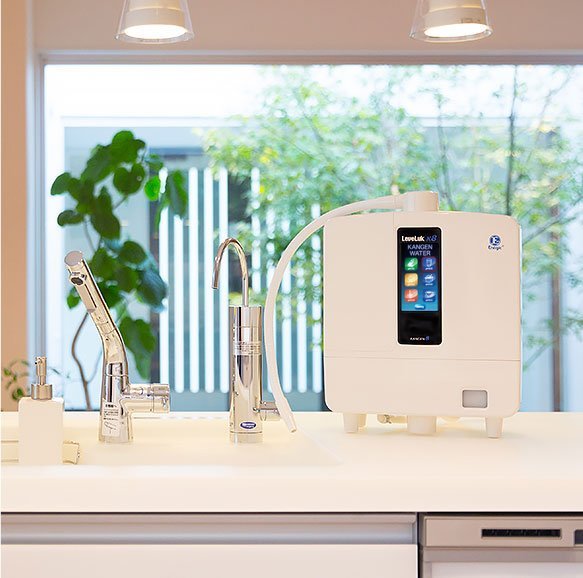
The LeveLuk K8 is the eight-plate water ionizer we sell. It is not a substitute for boiling during an advisory, and its listing makes no claim about removing germs, so do not buy it for that. Specs are on the product page.
The bottom line on a boil water advisory
A boil water advisory means your tap water may contain germs. Bring it to a rolling boil for 1 minute (3 above 6,500 feet), or use bottled water, even if you have a filter. A “do not drink” or “do not use” notice is different: boiling is not the fix, and for a chemical like nitrate it makes the water more concentrated. When the advisory is lifted, flush your taps, clear the ice maker, and replace any filters you ran water through.
This article is for general information and is not medical advice. Regulatory and agency guidance is current as of November 27, 2026, and may change. During an advisory, your utility’s and local health department’s instructions take priority over anything here.
Before you go
Get the next honest answer by email
We'd rather tell you when the answer is no. One email a week, written the same way as this post.