Is Hydrogen Water a Hoax?
We sell water equipment, so read this with appropriate suspicion. We’d still rather give you the real answer than the flattering one.
“Hoax” is the wrong frame, but the instinct behind the question is sound. There is a lot of nonsense in this category — and some of it is measurable, provable nonsense.
The part that’s real
Molecular hydrogen dissolved in water is not a marketing invention. H₂ is a real gas, it does dissolve in water, and it does have documented biological activity. The 2007 paper by Ohsawa and colleagues in Nature Medicine — showing H₂ selectively reduces hydroxyl radicals — is a legitimate piece of science published in a serious journal, and it launched a real research field.
So: not a hoax in the sense of being fabricated.
The part that’s oversold
Three specific problems, and they’re worth knowing before you spend money.
The foundational study is being misrepresented. That Nature Medicine paper was a rat study using inhaled hydrogen gas. It was not humans, and it was not drinking water. Almost every product page that cites it implies otherwise. When a seller leans on that paper to describe what a bottle will do for you, they’re either unaware of what they’re citing or counting on you not checking.
The human evidence is early. Trials on people drinking hydrogen water are mostly small, short and preliminary. There are interesting signals — a randomised trial in metabolic syndrome reported modest marker changes over 24 weeks — but “interesting signal” is a long way from “established benefit.” Anyone describing this as proven is ahead of the data.
The measurement is routinely inflated. This is the most concrete problem. Dissolved H₂ is often estimated from ORP (oxidation-reduction potential) readings rather than measured directly. ORP is influenced by pH and other factors, so inferring hydrogen from it tends to overstate the number. Plenty of products advertise concentrations that direct measurement wouldn’t support.
And hydrogen escapes. It’s poorly soluble and off-gasses quickly — an open glass loses much of it within a couple of hours. Any product where the water sits exposed before you drink it is delivering less than the label suggests.
The tablets-and-bottles problem
The searches for “are hydrogen water bottles legit” and “are hydrogen water bottles a scam” are asking a fair question, and the honest answer is that quality varies enormously.
Cheap portable bottles frequently under-deliver, sometimes badly, and there is limited independent verification of what most of them actually produce. If you’re buying one, the question to ask is whether the manufacturer will provide direct H₂ measurement, not an ORP-derived estimate, and how quickly the concentration falls after generation.
Honest answers, weekly
The research, without the sales pitch
One short email a week: what a study actually found, what it didn't, and what's worth your attention. No spam. Unsubscribe anytime.
Our own position
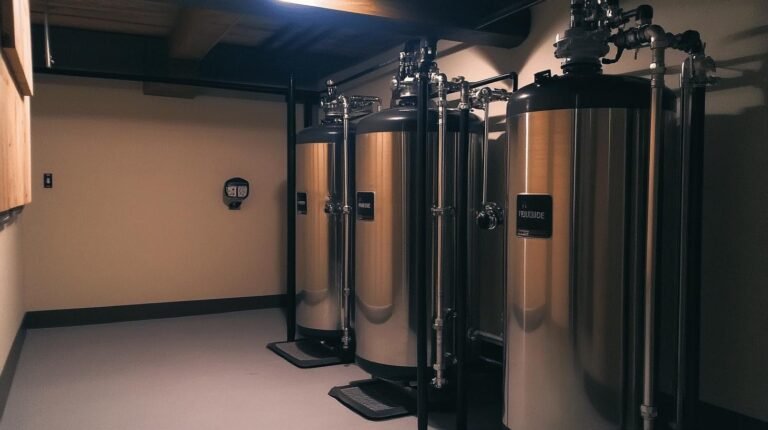
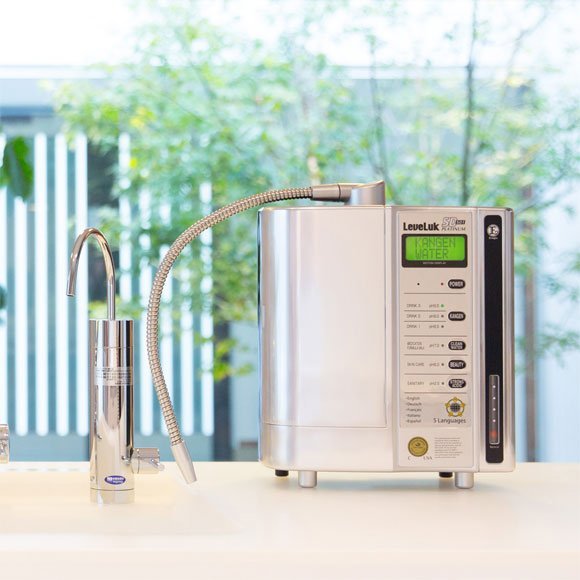
We sell ionizers, which produce dissolved hydrogen as part of electrolysis. We think the filtration, the water quality and the reflux research make them a reasonable purchase for some households. We do not think the hydrogen literature currently justifies buying one for the hydrogen, and we won’t tell you it treats anything.
If a seller — us included — describes hydrogen water as proven, cites the 2007 rat study as though it were a human drinking trial, or quotes an H₂ concentration they can’t back with direct measurement, you’ve learned something useful about that seller.
The verdict
Not a hoax. Real gas, real science, genuinely early human evidence, and an industry with a measurement-honesty problem. Buy it for water quality if that’s what you want. Don’t buy it expecting the research to say more than it does.
General information only, not medical advice. Not intended to diagnose, treat, cure or prevent any disease.
Before you go
Get the next honest answer by email
We'd rather tell you when the answer is no. One email a week, written the same way as this post.