Hydrogen Water vs Alkaline Water vs Kangen Water: The Differences
These three terms get used as though they’re interchangeable. They aren’t, and the confusion is profitable for people selling the weakest version of the three.
The short distinction
- Alkaline water — water with a pH above 7. Says nothing about hydrogen.
- Hydrogen water — water with extra dissolved molecular hydrogen (H₂). Says nothing about pH.
- Kangen water — a brand name. Enagic’s ionizers produce water that is both alkaline and hydrogen-rich, because electrolysis does both at once.
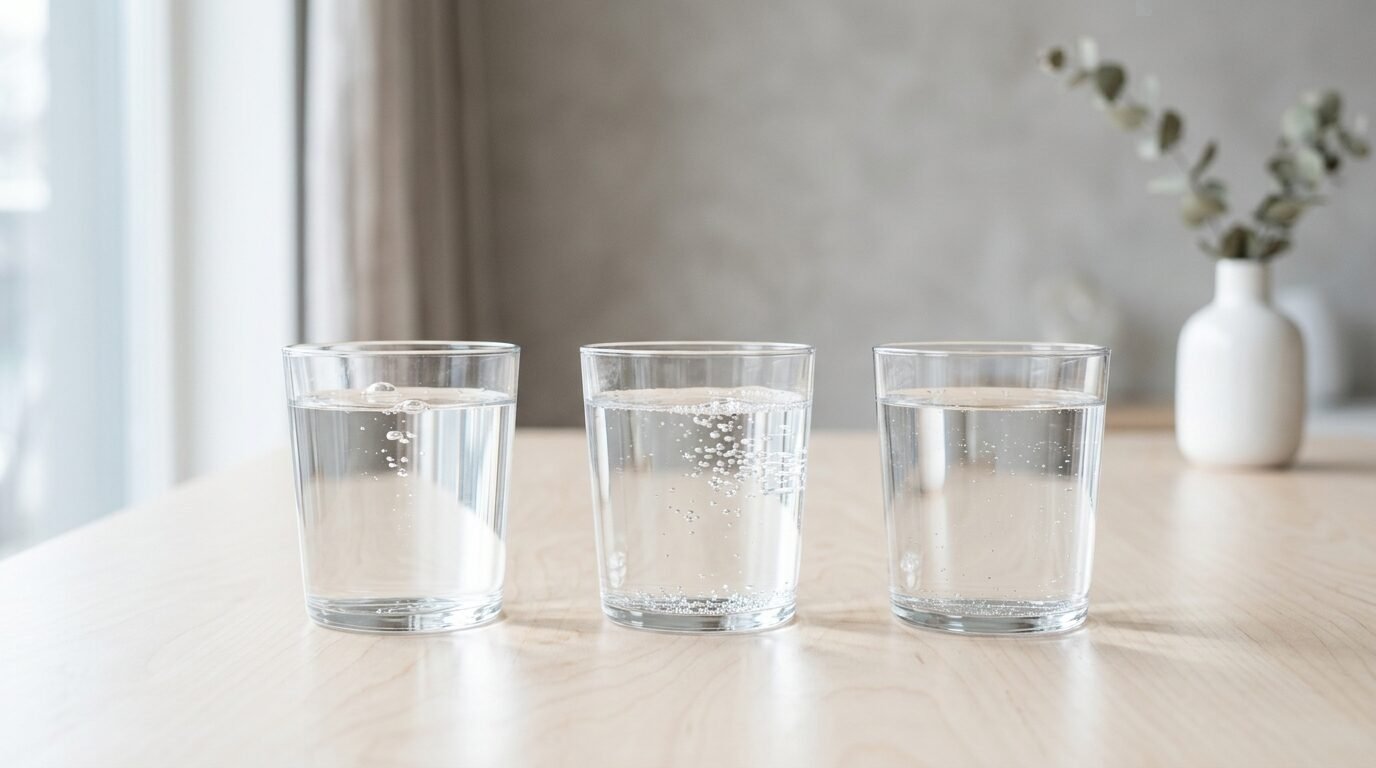
The key insight: pH and hydrogen content are independent properties. You can have high pH with almost no dissolved hydrogen, or neutral pH with meaningful hydrogen. Marketing routinely blurs them, usually to let a high-pH product borrow credibility from hydrogen research.
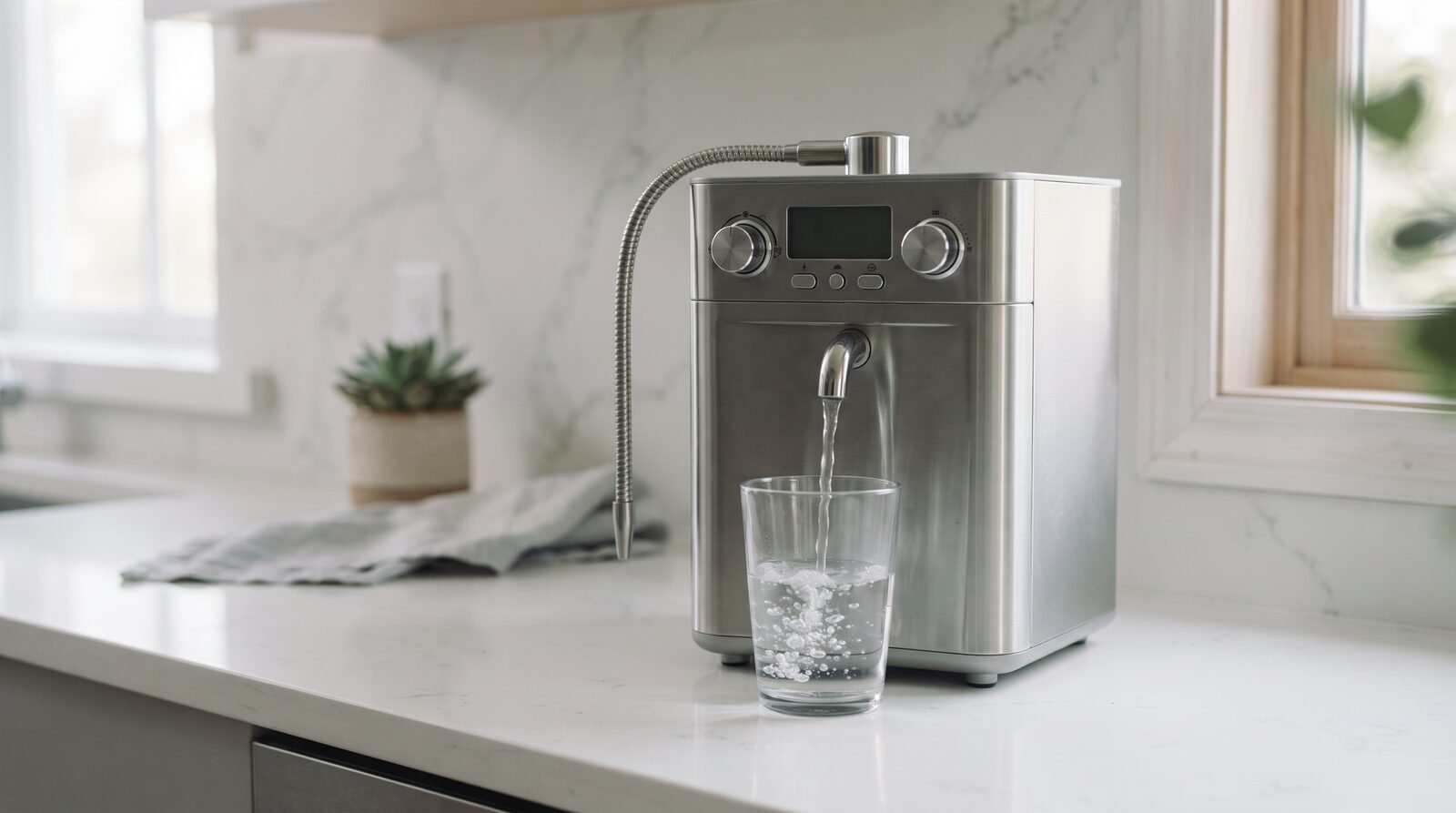
Alkaline water, and how it’s made
Three routes, and they produce genuinely different products at the same pH reading:
- Naturally alkaline — mineral content picked up from rock. Contains the minerals.
- Alkaline by addition — drops, powders or baking soda raise pH chemically. No filtration, no hydrogen.
- Alkaline by electrolysis — an ionizer separates existing mineral ions. Produces dissolved hydrogen as a by-product.
A test strip cannot tell these apart, which is worth remembering when comparing prices.
Hydrogen water, and how it’s made
Two main routes:
- Electrolysis — the same process ionizers use.
- Dissolution under pressure — H₂ forced into water directly, often at neutral pH. Tablets work by reacting to release hydrogen.
Because H₂ off-gasses quickly, how it’s stored and how fast you drink it matters more than with alkalinity. Sealed and fresh is the whole game.
Honest answers, weekly
The research, without the sales pitch
One short email a week: what a study actually found, what it didn't, and what's worth your attention. No spam. Unsubscribe anytime.
Where Kangen sits
Enagic’s machines are ionizers, so they produce both properties simultaneously plus multi-stage filtration, and a separate acidic stream for cleaning and topical use. The platinum-coated titanium plates are the durable part and much of what you’re paying for.
Two honest caveats. First, “Kangen” is a brand, not a category — the underlying technology is electrolysis, which other manufacturers also use. Second, your source water sets the ceiling: electrolysis separates minerals already present and cannot add what isn’t there, so soft or heavily purified input produces weaker output. That’s a fair question to put to any dealer about your specific area, and we’ll answer it honestly for yours.
Which should you care about?
Depends what you want.
For reflux, pH is the property with the better evidence — the pepsin research turns on alkalinity, not hydrogen. Covered in Is Alkaline Water Good for You?
For the hydrogen research specifically, be aware the human evidence is early and the industry has a measurement problem. See Is Hydrogen Water a Hoax?
For water quality generally, honestly, the filtration stage matters more than either property, and it’s the part nobody markets because it isn’t exotic.
For none of the above — if you just want clean water, a good carbon or RO filter costs a fraction and does that job well. We’d rather say so than sell you a machine you don’t need.
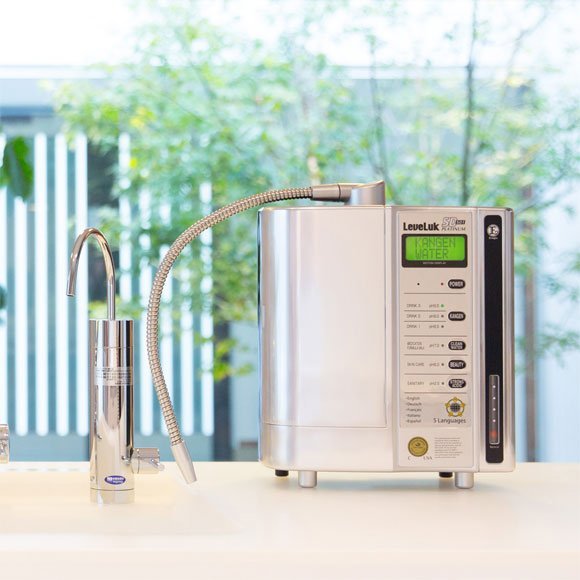
Comparison at a glance
| Alkaline water | Hydrogen water | Kangen (ionizer) | |
|---|---|---|---|
| Raises pH | Yes | Not necessarily | Yes |
| Dissolved H₂ | Not necessarily | Yes | Yes |
| Filtration included | No | No | Yes |
| Acidic stream for cleaning | No | No | Yes |
| Depends on source water | Sometimes | No | Yes |
General information only, not medical advice. Not intended to diagnose, treat, cure or prevent any disease.
Before you go
Get the next honest answer by email
We'd rather tell you when the answer is no. One email a week, written the same way as this post.