
Alkaline water machine for home: a buying guide that starts with who should skip it
We sell water ionizers — we’re an authorized Enagic dealer — so before anything else, you should know that going in. What follows is the buying guide we’d want if we were the ones spending serious money on an alkaline water machine for home use: who it’s for, who should save their money, what decides the price, and what the evidence does and doesn’t support. If you finish this and decide a basic pitcher filter or nothing at all is the right call, that’s a fine outcome — we’d rather you make an informed decision than a sale.
Who should buy one — and who should skip it

Skip it if you have chronic kidney disease, a history of calcium-alkali syndrome, you take proton pump inhibitors regularly, you’re on a sodium-restricted diet, you’re pregnant, or you’re shopping for an infant’s water. These are the groups for whom water pH and mineral load are a real variable worth discussing with a physician before buying anything. Most dealer sites leave this list out; that omission is why this industry is hard to trust. For the kidney question specifically, see alkaline water and kidney health.
Also skip it if you’re looking for a way to manage a diagnosed condition. An alkaline water machine is a water treatment appliance. It is not a medical device, and nothing on this site is a substitute for your own doctor’s advice.
It’s worth considering if you already drink a fair amount of water and want it to taste better (people tend to drink more water when they like the taste — unglamorous, but true), or you want a capable filter for your household’s tap water and are willing to pay for the electrolysis stage that comes with it. None of those reasons require believing your blood pH changes when you drink alkaline water. It doesn’t: your kidneys and lungs hold it in a 7.35–7.45 range no matter what’s in your glass.
What the machine actually does
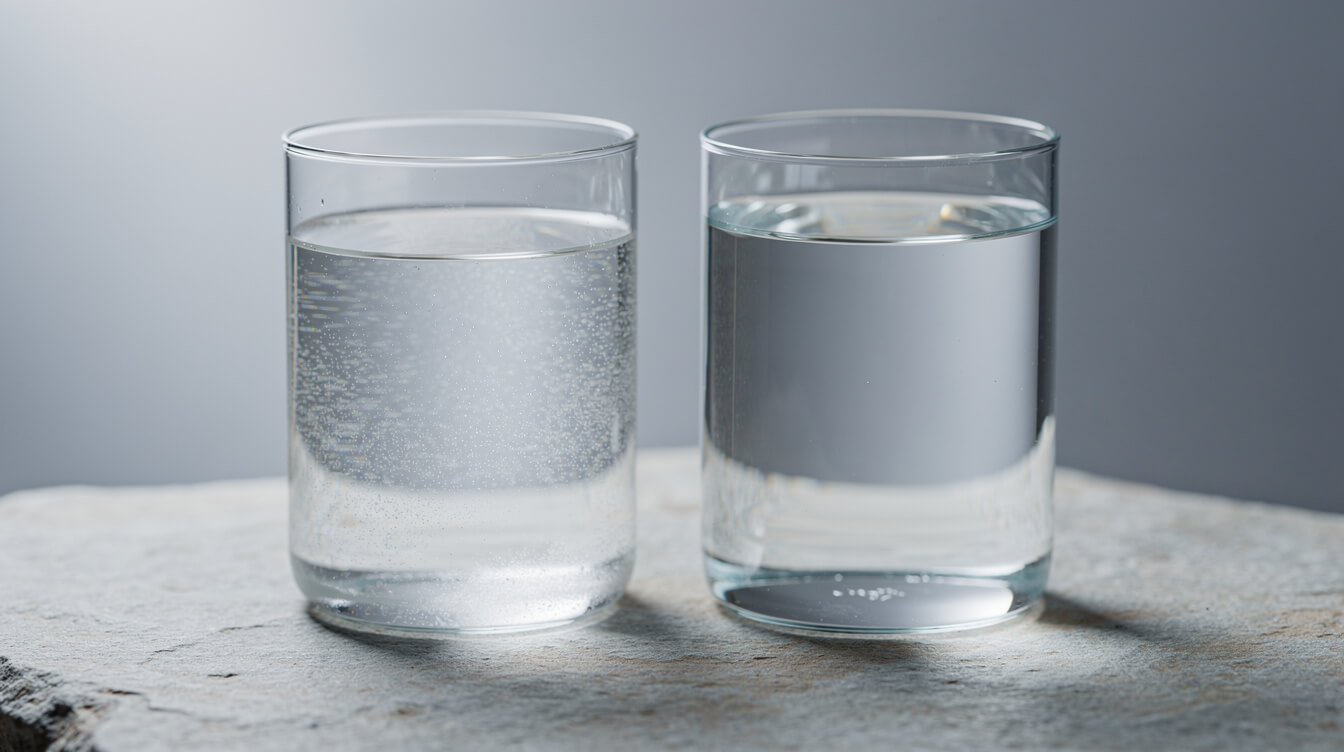
A water ionizer runs an electric current through water passing over charged plates, splitting the flow into an alkaline stream and an acidic stream. Dissolved molecular hydrogen (H₂) forms on the alkaline side as a byproduct. pH and dissolved hydrogen are two different measurements produced by one process, and this category conflates them constantly; hydrogen water vs alkaline water vs Kangen water sorts out the terms.
The practical version: you’re buying a water filter with an electrolysis stage attached. The filter removes chlorine, sediment, and other tap-water contaminants before the water reaches the plates; the plates change the pH and add hydrogen afterward.
Countertop or under-counter: what fits your kitchen
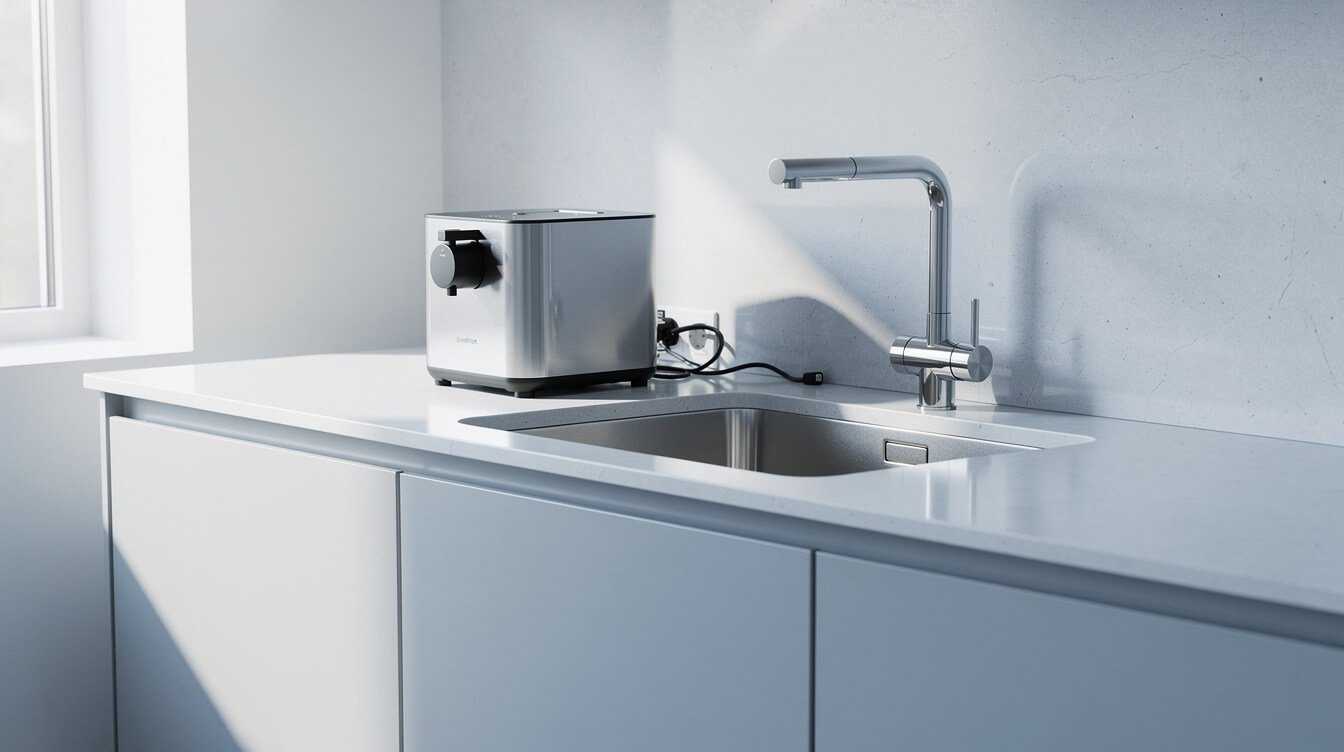
Most home ionizers are countertop units that connect to your kitchen faucet through a diverter valve — no plumber needed for most installs, but you’ll want clear counter space beside the sink and a faucet the diverter fits. Standard aerator-threaded faucets are the easy case. Pull-down, touchless, and some European-style faucets often need an adapter, and a few have no compatible option, so check your faucet against the manufacturer’s compatibility list before you buy.
Under-counter models free up visible counter space, at the cost of a real plumbing job: a dedicated water line and a separate dispenser tap drilled into the countertop or sink deck. Budget for a professional installer, and confirm your countertop material can be drilled without voiding its warranty. If you’re really deciding between a point-of-use ionizer and treating your whole home’s water, that’s a different decision, covered in whole-house filtration vs. point-of-use ionizers.
What decides the price: plates, filtration, and warranty

Home ionizers span a wide price range, and three checkable factors drive most of it.
Plate count and material
More plates, and platinum-coated titanium plates specifically, generally produce a wider pH range and more consistent output as the machine ages. Ask for the exact plate count and coating for any machine you’re considering, and be skeptical of plates described only as “premium” or “medical grade.”
Filtration and ongoing filter cost
Ask what the filter is certified to remove — the certification body and standard, not just the manufacturer’s claim — and what a replacement costs and how often it’s due. A cheaper machine with an expensive, frequently replaced filter can cost more over five years than a pricier one with a longer filter life.
Warranty length and coverage
Warranties vary widely across this category. A long warranty on plates and housing is also a signal of how confident the manufacturer is that its plates will hold up against hard water and scale, which is the failure mode that ends most ionizers early. For a side-by-side method across brands, see how to judge an alkaline water ionizer brand.
Honest answers, weekly
The research, without the sales pitch
One short email a week: what a study actually found, what it didn't, and what's worth your attention. No spam. Unsubscribe anytime.
What the evidence actually supports

The most current review of this category, published in Frontiers in Medicine (2026) under the title “fact or marketing myth,” concludes that alkaline water has limited clinical utility, that observed benefits appear driven more by mineral composition than by pH, and that claims about systemic pH change, immune support, or anti-aging are not supported. We’re not going to argue with that. Any product description promising to “balance your pH” is describing something that does not happen.
What does hold up, narrowly: a 2012 in-vitro study (Koufman & Johnston, Annals of Otology, Rhinology & Laryngology) found that water at pH 8.8 can denature pepsin, the digestive enzyme involved in reflux, in a lab setting. That is a real, published finding, and it is in vitro — tested in glassware, not a clinical trial in people drinking the water. If reflux is on your mind, that’s a laboratory mechanism, not a reason to buy a machine, and your doctor is the right person to talk to about reflux itself. We cover it in more detail in alkaline water and acid reflux.
We also won’t cite animal studies on inhaled hydrogen gas, which this industry sometimes stretches to cover hydrogen water in humans: different substance, different delivery, different species. For the fuller evidence review, see is alkaline water good for you.
What isn’t in dispute: the machine is a capable filter, and people who like the taste of their water tend to drink more of it. That is the most defensible benefit in this category, precisely because it needs no claim about physiology.
The real cost of ownership
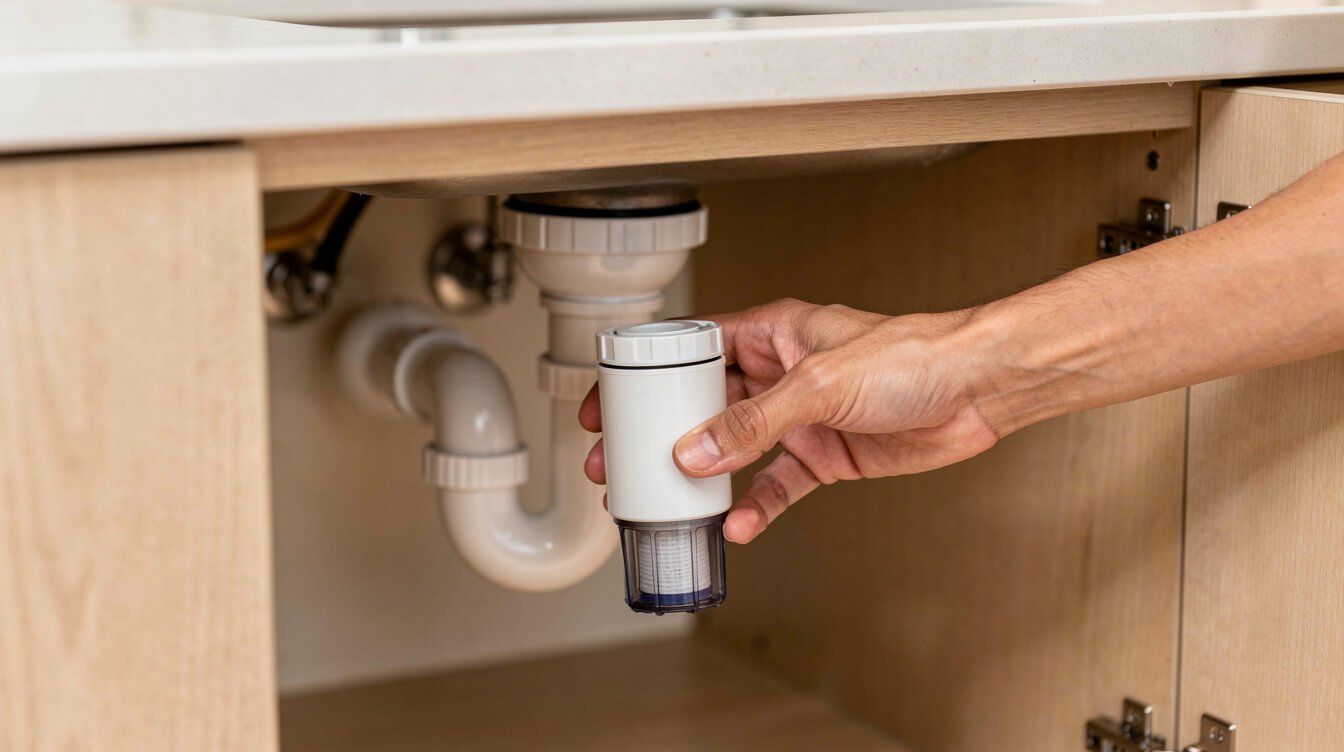
- Filter replacements. Multiply the manufacturer’s recommended interval by the per-filter cost to get an honest annual number. It varies more between brands than you’d expect.
- Diverter parts. Valves, hoses, and faucet adapters wear out, particularly in hard-water areas. Inexpensive individually, but worth knowing about.
- Electricity. These units draw little power; it isn’t a meaningful line item.
Frequently asked questions
Is an alkaline water machine worth it for a typical household?
Only if you’ll use it daily and the filtration and taste matter enough to you to justify the cost. The evidence doesn’t support it as a health necessity, so the case for buying has to rest on filtration and on whether better-tasting water gets your household drinking more.
Can I just use a pitcher or bottle instead?
Often, yes. For dissolved hydrogen alone, a dedicated hydrogen device does that one job for much less. For basic filtration, a certified pitcher filter is a fraction of the cost. A full ionizer makes the most sense when you want household filtration with pH and hydrogen bundled in.
What should I ask a dealer before buying?
The exact plate count and material, the filter’s certification and replacement cost, the full warranty terms in writing, and what the evidence does and doesn’t support. How a dealer answers that last one tells you a lot about the rest.
If the math works for your household
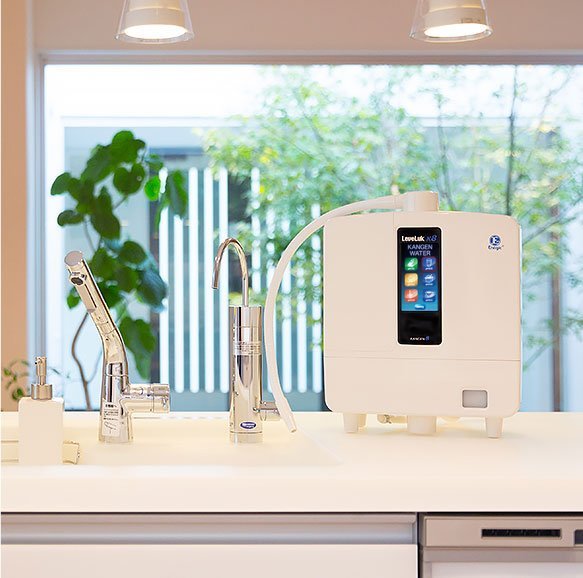
The LeveLuk K8 is our flagship, an 8-plate countertop ionizer. Plate count and the automatic cleaning cycle are the two specs worth checking it against if you’re comparing machines.
Final thoughts
The honest version of this decision is narrower than most of this industry’s marketing suggests. Skip it if you’re in one of the groups above or you’re hoping it will fix a health problem. If you buy one, treat it as a filtration-and-taste purchase. That’s a smaller pitch than most of this category makes, and it’s the one we can stand behind, because it’s the one the evidence supports.
This article is for general information and is not medical advice. Talk to your doctor before changing what you drink, especially if you have kidney disease or take medication.
Before you go
Get the next honest answer by email
We'd rather tell you when the answer is no. One email a week, written the same way as this post.