Kangen water filter replacement: the schedule and cost math nobody publishes
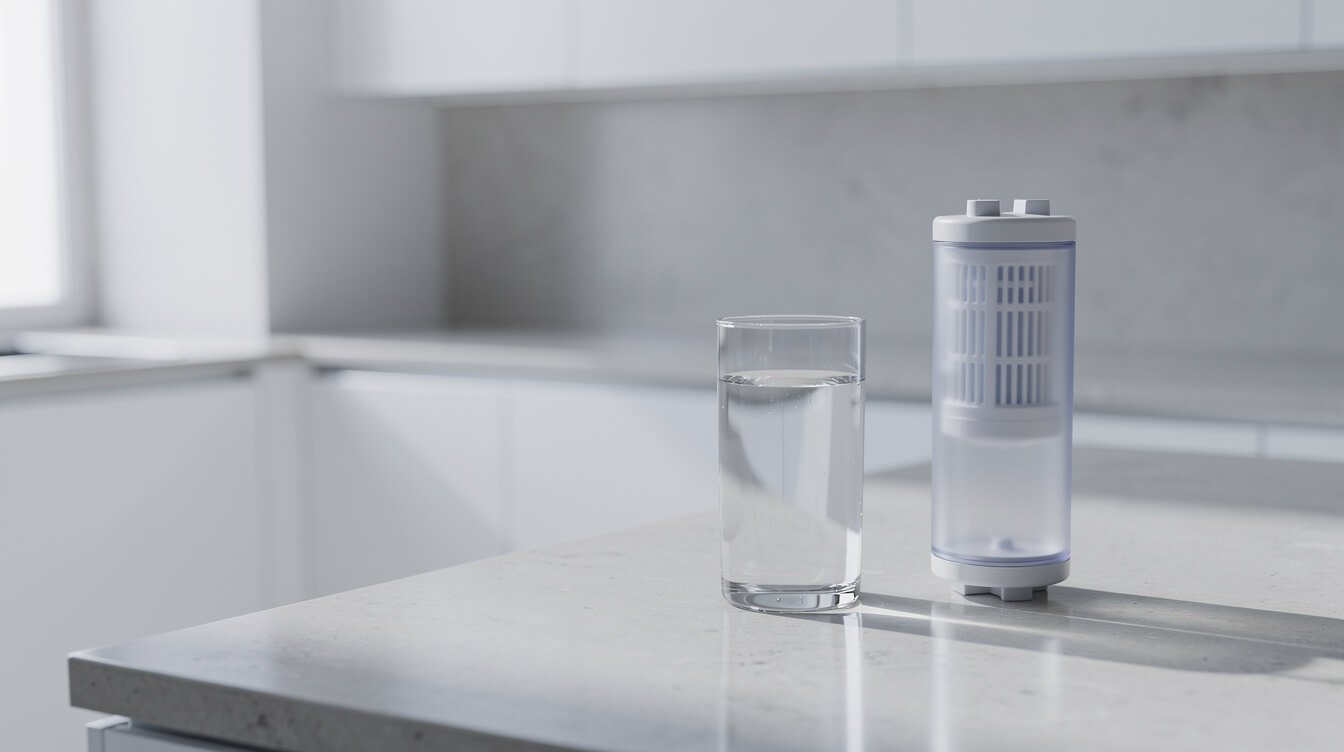
If you own a Kangen machine, the kangen water filter inside it does more quiet work than the plates ever get credit for — and it’s the one part manufacturers describe in months, not gallons, which makes it easy to lose track of. We’re an authorized Enagic dealer, so we sell these filters too; that’s stated up front, not buried at the bottom. What follows is the replacement schedule, the real cost, and the math nobody selling you a filter walks through.
What your Kangen water filter removes (and what it doesn’t)
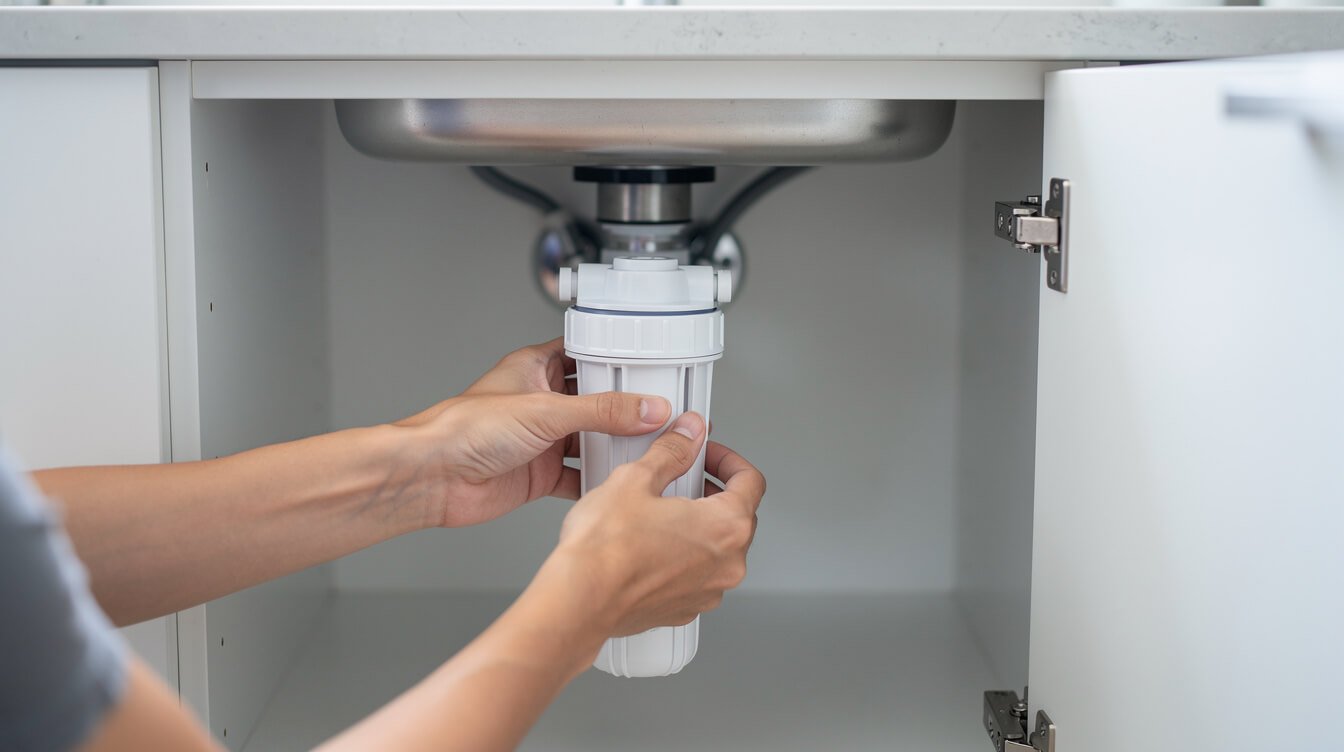
Filtration and ionization are two different jobs. The filter is pre-treatment: it reduces chlorine, sediment, and other tap-water contaminants before the water reaches the electrolysis chamber. The plates handle ionization, splitting the water into an alkaline stream and an acidic stream. The filter does not change your water’s pH, and it doesn’t produce dissolved hydrogen. That happens downstream, at the plates.
That matters in practice. A spent filter doesn’t necessarily show up as “the water stopped being alkaline” — your machine can often still shift pH on a spent filter, just with less of the chlorine and sediment reduction that made the water worth drinking. And a spent filter passes more of what it was meant to catch through to the plates, which is why Enagic frames on-time replacement as protection for the internal components, not just for taste. For how the electrolysis stage itself works, see how ionized water is made.
None of this is a health claim. It’s plumbing and chemistry: reduce contaminants, protect the hardware, keep the taste consistent.
How often to replace it: the six-month rule and when to adjust
Enagic’s guidance is simple: replace the filter every six months. That’s the number to start from if you know nothing else about your water. But two households on the same schedule can put very different loads on an identical filter:
- Water hardness. Harder municipal or well water carries more minerals and sediment, which can shorten effective filter life.
- Household size and usage. One person drawing a few gallons a day and a family of five using the machine for cooking, coffee, and drinking are not comparable loads.
- Source water quality. Well water with iron or sulfur, or a municipal supply changing its disinfection, can load a filter faster.
If your water is hard or your household uses the machine heavily, treat six months as the outer bound and consider a four- to five-month cycle. If you’re a light user on soft municipal water, six months is the manufacturer-recommended interval and a reasonable one to hold to. Most utilities publish hardness figures in their annual water quality report; well owners can use an inexpensive hardness test kit from a hardware store.
The signs your filter is already spent

Calendar reminders lapse. Here’s what a spent filter tends to look and taste like:
- Taste and smell change first, usually. A faint chlorine taste or smell coming back is often the earliest sign that the filter media is no longer adsorbing chlorine as it did.
- Reduced flow. Water coming out noticeably slower at the same setting points to sediment loading.
- A smaller pH swing at the same setting. This needs a baseline to notice, and calibration or source-water changes can cause it too, so don’t treat it as a filter diagnosis on its own.
- Visible discoloration, if your machine has a clear or semi-clear housing.
Any one sign alone isn’t conclusive. Two or more together, especially taste plus flow, is reason enough to replace the filter wherever you are in the cycle.
The real cost of a Kangen water filter, year after year

Sellers tend to lead with the machine price and leave this out: filters are a recurring cost, and it’s worth budgeting for before you’re three years into ownership.
As of October 2026, the two filters used by Kangen ionizers are priced in our store at $106 (HG) and $153 (FC1). On the six-month interval, that’s two replacements a year, or roughly $212–$306 annually depending on which filter your machine takes. The ANESPA cartridges also listed in our store belong to a different product line (see below) and don’t belong in an ionizer budget.
Cost per gallon is the number most guides never touch, and we can’t give you one figure for every household, because it depends on how much water you run through the machine. What we can give you precisely is the fixed side: the annual filter cost above, before electricity. If you’re comparing total cost of ownership across ionizer brands, that annual number belongs in the spreadsheet next to the sticker price. Our guide on how to judge an alkaline water ionizer brand covers the other line items.
Honest answers, weekly
The research, without the sales pitch
One short email a week: what a study actually found, what it didn't, and what's worth your attention. No spam. Unsubscribe anytime.
HG, FC1, and ANESPA: what’s actually different
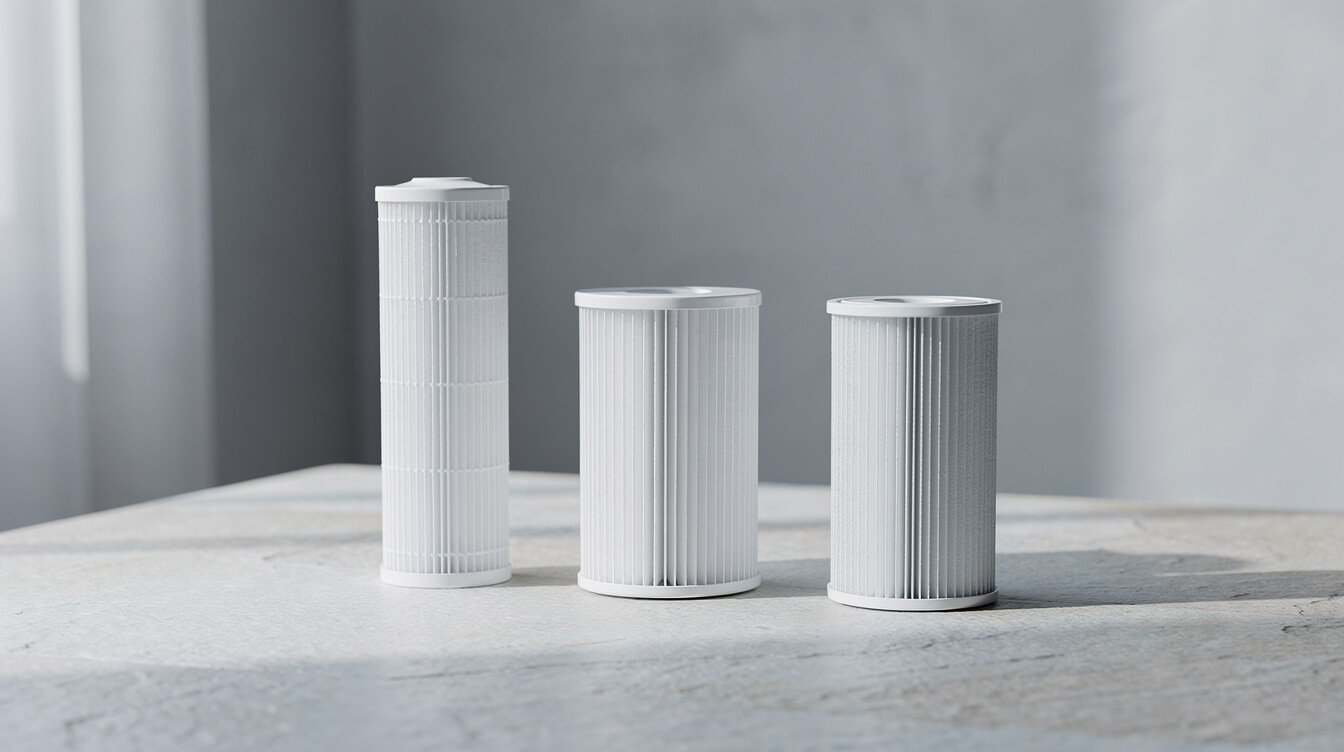
The filter naming across Enagic’s lineup is confusing, and it’s easy to order the wrong part.
- High Grade (HG) filter — for machines whose current filter is labeled MW-7000HG.
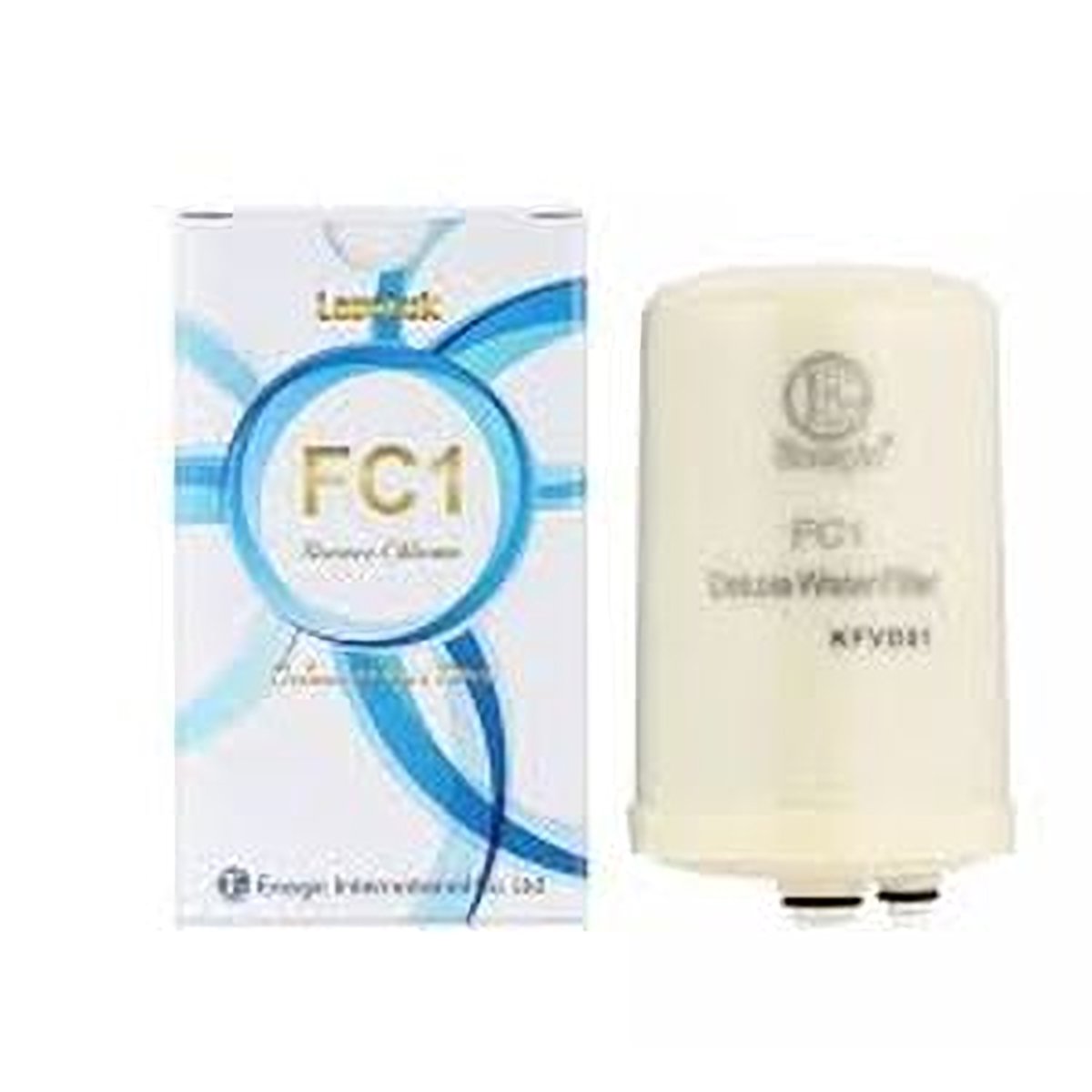
- FC1 filter — for machines whose current filter is labeled FC1, and, per Enagic’s consolidation of older parts, the replacement for filters labeled F8 or HG-N.
- ANESPA cartridges — not for water ionizers at all. They belong to the Anespa mineral spa unit, a separate product line.
The one universal rule: open your machine and read the label on your current filter before ordering. Guessing by machine model is how people end up with the wrong part. If the label is unreadable, your machine’s manual or Enagic Support is the tiebreaker, not a best guess.
A warranty note worth taking seriously: Enagic states that non-genuine or unauthorized filters void the manufacturer’s warranty, and that it takes no responsibility for problems they cause. Whatever you decide about where to buy, buy genuine.
How to replace your filter, step by step
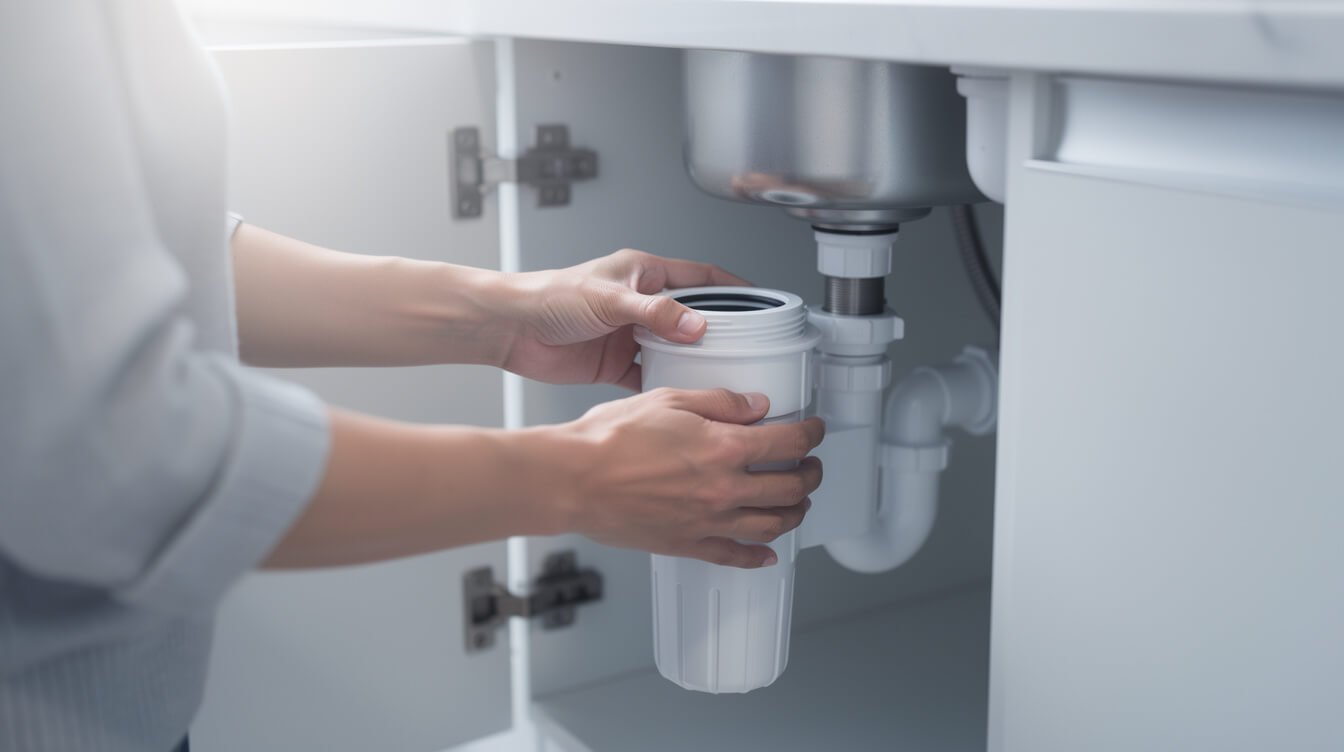
- Confirm the correct replacement using the label check above.
- Turn off the machine and shut off the water supply, then briefly run the faucet to relieve pressure in the line.
- Open the filter housing; its location varies by model, so check your manual.
- Remove the spent cartridge and note any O-rings or seals, which usually stay with the housing.
- Seat the new genuine filter fully so the housing closes without forcing it. A poorly seated filter is a common cause of leaks.
- Restore the water supply slowly and check for leaks before walking away.
- Flush for a few minutes before drinking, to clear carbon fines and air from the new cartridge. A slightly different taste at first is normal and clears quickly.
- Reset any filter-life indicator and set a phone reminder for the next change.
Keep a photo of your filter’s label so you’re never guessing at the part number six months from now.
What happens if you skip it too long
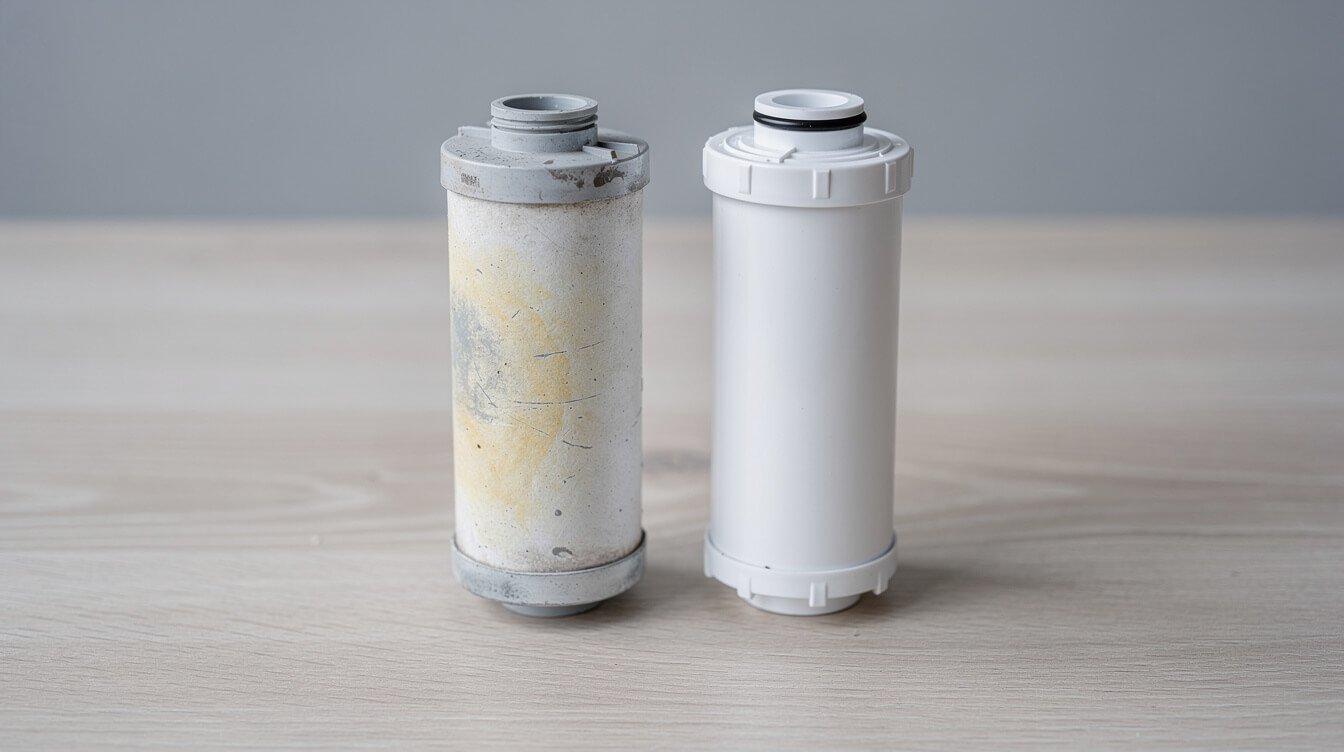
Nothing dramatic happens the week after the six-month mark. But the effects compound: more chlorine taste coming through, more of whatever your source water carries reaching the plates, and flow that keeps dropping as sediment builds up. Over time, a chronically overdue filter shifts wear from an inexpensive consumable onto the machine’s electrolysis hardware, which is far more expensive to replace. A month or two past the interval isn’t cause for panic. Eighteen months is a different story.
Is your filter due?
The Kangen FC1 Water Ionizer Replacement Filter is the genuine Enagic replacement for machines whose current filter is labeled FC1, F8, or HG-N. Check your filter’s label before ordering.
Final thoughts
The filter is the least glamorous part of owning a water ionizer, and the part most likely to be neglected because nothing happens the day it expires. Enagic’s six-month interval is a reasonable default; harder water or heavier use is a reason to shorten it, not lengthen it. Budget for two genuine filters a year, read the label before you order, and replace on a fixed schedule rather than waiting for taste or flow to tell you it’s overdue. If you’re newer to the category, is alkaline water good for you? is the right starting point.
This article is for general information and is not medical advice. Talk to your doctor before changing what you drink, especially if you have kidney disease or take medication.
Before you go
Get the next honest answer by email
We'd rather tell you when the answer is no. One email a week, written the same way as this post.