How to Judge an Alkaline Water Ionizer Brand: What Actually Matters
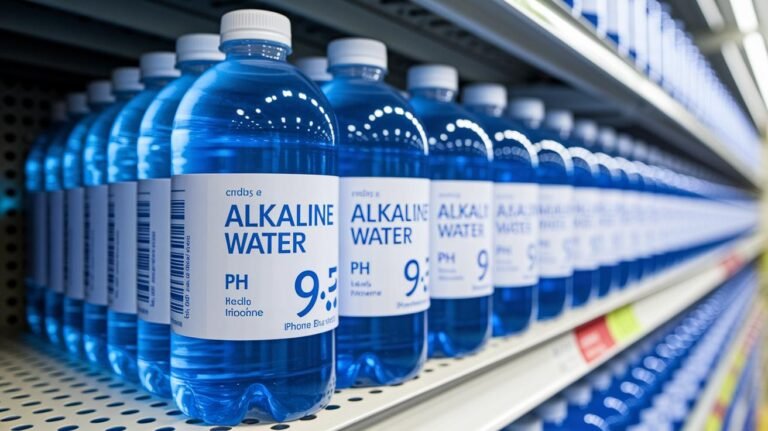
Search for alkaline ionized water brands and you will mostly find lists — this one is 9.5 pH, that one comes in glass, this one costs more per bottle. Those lists compare the wrong things, and they compare bottled water to machines as though they were the same purchase.
If you are choosing something you will live with for twenty years, here is what actually separates one manufacturer from another.
Two different products, one search term
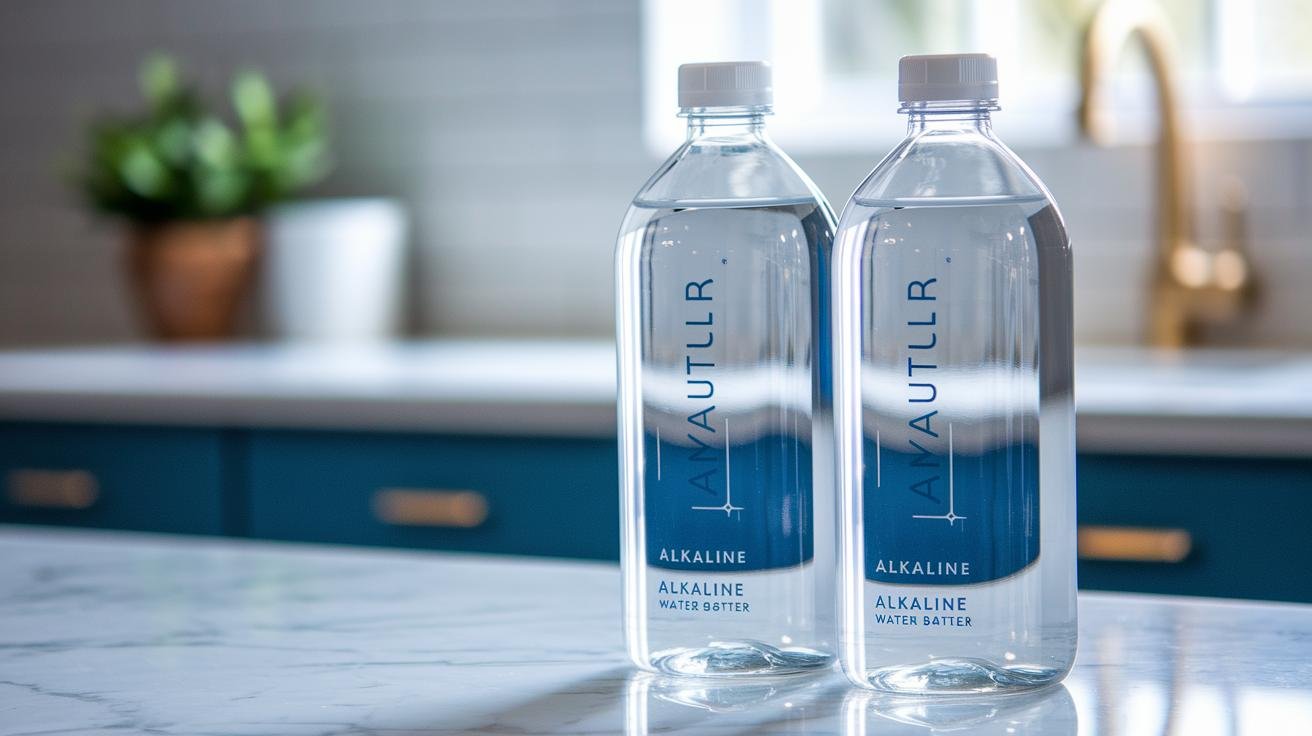
Bottled alkaline water brands sell you water. The purchase repeats forever, the pH is usually achieved with added minerals, and the practical differences between labels come down to price, packaging and taste.
Ionizer manufacturers sell you a machine that makes the water. The purchase happens once, the water is electrolysed rather than mineral-adjusted, and the differences between makers are engineering differences that take years to show up.
The rest of this article is about the second category, because that is where a bad choice is expensive.
What to actually check
1. The electrode plates
The plates are the machine. Everything else is housing and software. Ask three questions: how many plates, what metal, and how is it coated. Titanium coated with platinum is the established construction, and plate count affects the machine’s capacity to ionize at a given flow rate. A maker that will not tell you plate specifications is telling you something.
2. Who actually builds it
Many brands in this category are marketing companies that commission machines from a contract manufacturer, often shared with their competitors. It is not automatically bad, but it changes what a warranty is worth and who you are dealing with when something fails in year seven. Ask whether the company manufactures in-house, and where.
3. Quality-management certification
Look for standards that can be independently verified rather than adjectives. ISO 9001 covers quality management, ISO 14001 environmental management, and ISO 13485 quality management for medical devices — a meaningfully stricter regime. Certification does not tell you the water is good for you; it tells you the factory is run to a documented standard and audited against it.
4. Warranty length, and what voids it
Read the exclusions before the headline number. The two that catch people are hard-water scale damage and purchase through an unauthorised reseller, either of which can leave a nominal five-year warranty worth nothing.
5. Filter cost and availability
The machine is the visible cost; the filters are the real one. Find out the replacement interval, the price, and whether filters are sold by the manufacturer or by third parties of unknown provenance. A cheaper machine with expensive or hard-to-source filters is more costly by year three.
6. Authorised dealer or grey market
This is the one that burns people. Ionizers appear on auction sites and marketplaces at attractive prices, and a proportion are grey-market units, returned stock, or machines whose serial numbers are already registered to somebody else. The saving disappears the first time you need service. Ask any seller whether they are authorised by the manufacturer and whether the serial number will register to you.
7. Whether you can taste it first
Water is a sensory purchase and the difference between pH levels is something you notice immediately or not at all. Any seller confident in the product will let you taste it before you spend thousands.
Red flags worth walking away from
- Specific medical claims about treating or curing conditions. Any manufacturer making them is not one you want handling your warranty.
- Pressure to decide today, or pricing that expires at the end of the demonstration.
- Vagueness about plate count, materials or country of manufacture.
- No physical address and no service path.
- Reviews that all landed in the same week.
Honest answers, weekly
The research, without the sales pitch
One short email a week: what a study actually found, what it didn't, and what's worth your attention. No spam. Unsubscribe anytime.
Where our machines stand on that list
We sell Enagic machines, so treat this as disclosure rather than neutrality — check the claims yourself against the list above.
- Plates: the LeveLuk K8 uses 8 platinum-coated titanium plates and produces a pH range of 2.5 to 11.5.
- Manufacturing: Enagic has manufactured in-house in Japan since 1974.
- Certification: production is held to ISO 9001, ISO 14001 and ISO 13485 quality-management standards.
- Warranty: five years on the machines in our range.
- Filters: sold directly — the FC1 replacement filter is $153, with cartridges for the Anespa range also stocked.
- Dealer status: we are an authorised dealer, so serial numbers register to you and the warranty is live from day one.
Our range runs from $3,530 for the LeveLuk JRIV to $7,080 for the Super 501. You can compare the models and current pricing here.
The short version
Ignore the pH numbers on the front of the box. Ask about plates, manufacturing, certification, warranty exclusions, filter economics and dealer status — and taste the water before you spend anything. A brand that answers all seven comfortably is a brand worth considering, whoever it is.
If you are on O‘ahu, our showroom is at 3457 Waialae Ave #201 in Honolulu and you are welcome to come and run that checklist at us in person. Otherwise, send us the questions.
FAQ
What is the most important spec on a water ionizer?
The electrode plates — how many, what metal, and how they are coated. Plate construction determines the machine’s ionizing capacity and is the component that ages. Platinum-coated titanium is the established construction.
Do ISO certifications mean the water is healthier?
No. They tell you the manufacturing is run to a documented, audited standard — ISO 13485 being the medical-device quality regime. They say nothing about health outcomes, and any seller who implies otherwise is overreaching.
Is it safe to buy an ionizer second-hand or from a marketplace?
It carries real risk. Grey-market and resold units often have serial numbers already registered elsewhere, which can leave you with no valid warranty and no service path. Confirm authorised-dealer status before buying.
How often do ionizer filters need replacing?
It depends on the model and your local water quality — harder water shortens filter life. Ask the manufacturer for the rated capacity in litres rather than a time estimate, and budget for filters as an ongoing cost.
Are bottled alkaline water brands a substitute for an ionizer?
They are a different product. Most reach their pH through added minerals, and dissolved hydrogen from electrolysis dissipates long before a bottle is opened. For occasional use a bottle is fine; for daily household drinking the economics and the freshness both favour a machine.
These statements have not been evaluated by the Food and Drug Administration. Kangen Water® systems are intended for general wellness purposes and are not intended to diagnose, treat, cure, or prevent any disease. Individual results may vary. Prices are current at the time of writing and subject to change.
Before you go
Get the next honest answer by email
We'd rather tell you when the answer is no. One email a week, written the same way as this post.