Alkaline water side effects: what the evidence actually shows
Kangen Health is an authorized Enagic dealer — we sell water ionizers that produce alkaline water, and you should know that before reading another word we write about it. Search “alkaline water side effects” and you’ll find two extremes: wellness pages promising it will transform your body chemistry, and clickbait warning it’s secretly dangerous. Neither is accurate. Alkaline water has a small number of real side effects and cautions, and they matter mainly for specific groups of people, not for the general population drinking it in normal amounts.
We’re not going to soften the side effects below. A customer who gets surprised by something we could have told them upfront isn’t a customer we want to keep.
What alkaline water is (and isn’t)
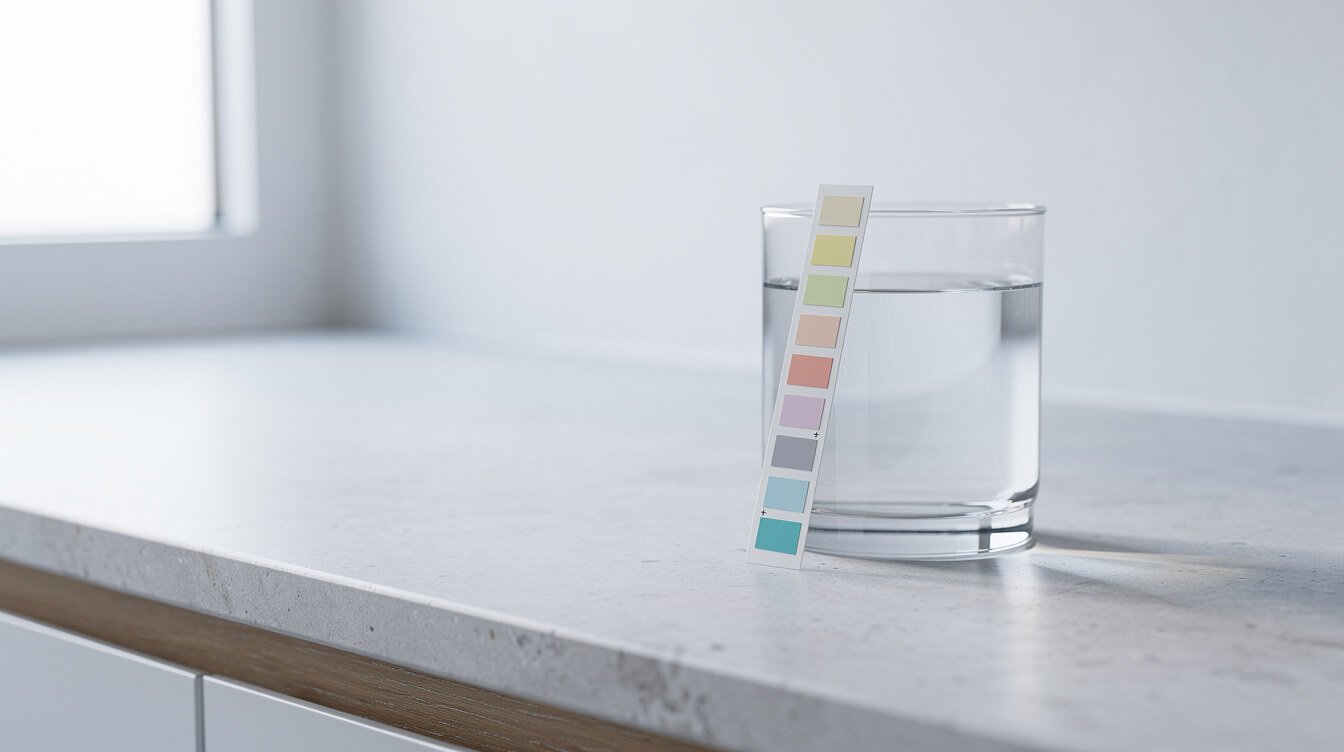
pH measures how acidic or alkaline a liquid is, on a scale of 0 to 14, with 7 as neutral. Tap water usually sits close to neutral; alkaline water typically runs 8 to 9.5. For the fuller explanation, see the pH of water, explained.
There are three distinct ways alkaline water gets made, and they matter more than most articles let on:
- Naturally alkaline mineral water — sourced from springs with naturally high mineral content.
- Alkaline drops or powders — concentrated pH additives mixed into regular water by the consumer.
- Electrolysis (ionization) — tap water runs over charged plates, which split it into an alkaline stream and an acidic stream. This is how ionizers, including the machines we sell, work. No chemicals are added; the minerals already in your water are separated between the two streams.
Reports about “alkaline water” often don’t specify which of these someone drank, and that changes the risk profile. One more distinction: pH and dissolved molecular hydrogen are not the same thing. Electrolysis produces both, but they are separate properties with separate bodies of research. Hydrogen has its own side effects breakdown.
Where the scary headlines come from
The fear-driven headlines don’t come from large clinical trials. The incident most often cited is a public-health investigation, a few years ago, into one bottled alkaline water brand, following a cluster of serious illnesses. It deserves to be taken seriously, and it’s a large part of why “is alkaline water dangerous” is a search query at all. But it concerned one commercial product, not alkaline water as a category, and it isn’t evidence that water an ionizer makes from your own tap carries the same risk.
The rest of the discourse is mostly a reaction to marketing overreach on the benefits side. On that side, a 2026 review in Frontiers in Medicine concluded that alkaline water has limited clinical utility, that real effects are driven more by mineral composition than by pH, and that claims of systemic pH change, immune, or anti-aging benefits are not supported. Your blood pH stays within 7.35–7.45 regardless of what you drink. That is our starting point too.
The real side effects and cautions
Mineral load for people with chronic kidney disease
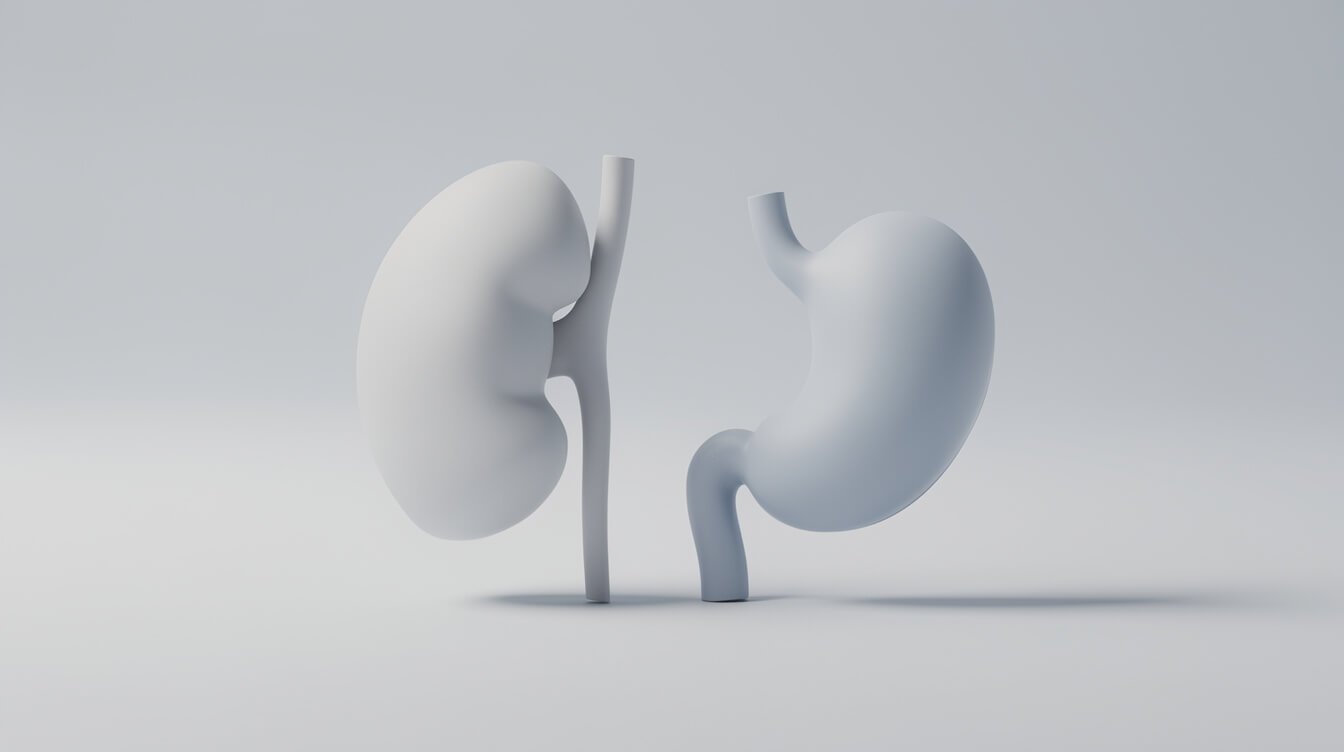
This is the caution that matters most, and it applies to a specific group. Healthy kidneys handle the minerals in drinking water and keep blood chemistry in range without effort. Kidneys affected by chronic kidney disease (CKD) do that job less well, so the mineral content of what someone drinks — including mineral-rich or mineral-enhanced alkaline water — becomes something their care team may want to account for. If you have CKD, talk to your nephrologist before drinking alkaline or mineral-enhanced water, and if they say no, that’s the answer. We go into more detail in alkaline water and kidney health.
Acid-base balance in people who already have a problem with it
Your kidneys and lungs keep blood pH in a narrow range, actively and continuously. In healthy people, a glass of alkaline water doesn’t move it. The caution is for people whose acid-base regulation is already affected — by kidney disease, a history of metabolic alkalosis, or calcium-alkali syndrome — for whom extra alkali and mineral intake is worth raising with a doctor.
Stomach acid and medications
Your stomach is strongly acidic, far more so than even high-pH water, and it buffers a glass almost immediately. Research hasn’t shown that normal alkaline water intake meaningfully impairs digestion in healthy people. A small number of medications depend on stomach acid to be absorbed well, though, and people already taking a proton pump inhibitor or another acid-suppressing drug are lowering their stomach acid on purpose. If either applies to you, ask your pharmacist or prescriber rather than assuming.
Concentrated drops
This applies only to the drops and additive category, not to ionized or naturally alkaline water. Concentrated pH drops are a chemical product and can irritate skin or eyes if mishandled. Store and handle them like any concentrated household chemical.
What’s notably not documented: claims that alkaline water changes your body’s pH or protects against cancer or chronic disease. The few small studies that exist, such as those on reflux, are suggestive at most; we cover the reflux evidence, including what is in vitro and what isn’t, in alkaline water and acid reflux.
How much is too much?
“How much is too much” is a more useful question than “is it dangerous,” which treats the answer as binary when it isn’t.
- Volume matters as much as pH. A glass or two of moderately alkaline water with a meal is a different exposure from replacing several liters a day with the highest setting a machine can produce.
- The highest setting isn’t the healthiest one. If you use a home ionizer, drink at a moderate setting and check your machine’s manual for which settings are meant for drinking and which for cleaning or food prep.
- The cautions above are about sustained intake in people with specific conditions, not an occasional glass.
Honest answers, weekly
The research, without the sales pitch
One short email a week: what a study actually found, what it didn't, and what's worth your attention. No spam. Unsubscribe anytime.
Who should avoid alkaline water
This is the section most sellers skip. Talk to a doctor before drinking alkaline water regularly if any of these apply:
- Chronic kidney disease (CKD) — see the mineral-load caution above. Ask your nephrologist first.
- A history of calcium-alkali syndrome (also called milk-alkali syndrome) — mineral-rich alkaline water adds to the calcium and alkali load.
- Taking PPIs or other acid-suppressing medications — ask your prescriber before combining the two as a routine habit.
- A sodium- or mineral-restricted diet — mineral content varies by source, so check the label on bottled water, or test your tap water if you use an ionizer.
- A history of metabolic alkalosis or another acid-base disorder.
- Infants and pregnancy — alkaline water is not a substitute for water appropriate for infant formula, and pregnancy changes fluid and electrolyte balance enough to warrant a conversation with your OB.
If none of these apply, alkaline water in normal drinking quantities appears to be safe for most healthy adults. “Safe” and “beneficial” are two different claims, though, and we’re not going to pretend the second one is settled.
Bottled or ionized: does the source change the risk?

Partly. Ionization doesn’t add a chemical the way drops do; it separates the minerals already present. But that isn’t a free pass. Any appliance that processes your drinking water needs regular filter changes, clean components, and a source you trust. And if you’re in one of the groups above, the mineral content of the water matters more than how it was made — which is a conversation to have with your doctor regardless of source. If you’re evaluating machines, our guide to judging an alkaline water ionizer brand covers what to check.
If you’ve weighed the cautions and still want a machine
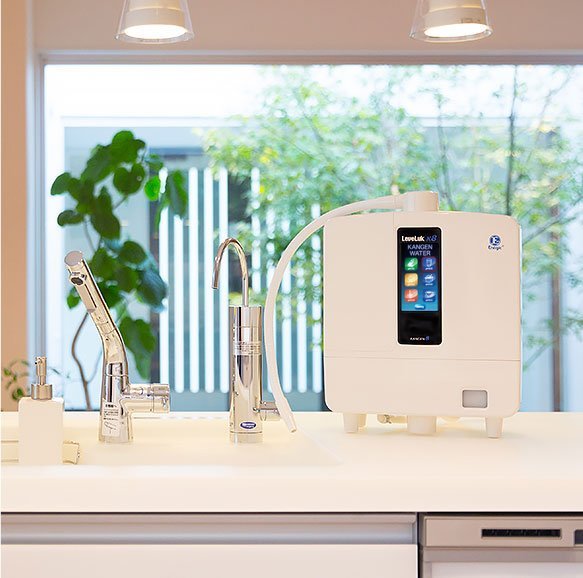
The LeveLuk K8 is our flagship, an 8-plate ionizer, with adjustable pH settings and built-in filtration. Specs and documentation are on the product page.
Final thoughts
The side effects of alkaline water are real but narrow: a mineral-load caution for people with kidney disease, acid-base and medication questions for specific groups, and an isolated investigation tied to one commercial product. For most healthy adults drinking moderately alkaline water in normal amounts, the evidence doesn’t point to meaningful danger — and it doesn’t support the sweeping health claims sold alongside it either. Read both halves of that sentence before you decide what to do with the information.
This article is for general information and is not medical advice. Talk to your doctor before changing what you drink, especially if you have kidney disease or take medication.
Before you go
Get the next honest answer by email
We'd rather tell you when the answer is no. One email a week, written the same way as this post.