What is a water ionizer, actually? The mechanism and the claims worth ignoring
We sell water ionizers — we’re an authorized Enagic dealer — so you should know that before reading anything else here. What follows is the explanation we’d want if we were the ones searching “water ionizer” for the first time: what the machine actually does, which claims about it hold up, and which don’t.
A water ionizer is a countertop or under-counter appliance that connects to a tap and uses electrolysis to split an incoming water stream into two output streams — one higher in pH, one lower. The higher-pH stream is what gets sold as “alkaline water.” That single sentence is also where most of the confusion in this category starts, because the marketing around it moves a lot faster than the chemistry does.
How a water ionizer works: electrolysis, plates, and the membrane

Inside the unit, water passes over a set of electrode plates — usually titanium coated in platinum — that carry a low-voltage electric current. A semi-permeable membrane keeps the two resulting streams from immediately recombining. On the negatively charged side (the cathode), the reaction concentrates minerals like calcium, magnesium, and potassium, raising the pH and also releasing dissolved molecular hydrogen (H₂) gas into the water. On the positively charged side (the anode), the water becomes more acidic and is typically sent down the drain or bottled separately for external use like skin care.
This is genuine electrochemistry, not a marketing metaphor. It’s also, worth saying plainly, less exotic than it sounds — it is the same electrolysis-of-water reaction taught in a high school chemistry class, applied at a small scale to tap water that already has dissolved minerals in it to work with.
What changes: pH shift vs. dissolved hydrogen (not the same thing)
This is the distinction that gets flattened constantly in this category, and it matters. pH measures how acidic or alkaline the water is. Dissolved molecular hydrogen is a separate property — a colorless, tasteless gas dissolved in the water, measured in parts per million, that has nothing to do with the water’s pH reading. A water ionizer produces both at once, from the same electrolysis reaction, which is exactly why they get talked about as though they were one thing.
For a closer look at how these two properties diverge across product types, see our comparison of hydrogen water, alkaline water, and Kangen water. They are not interchangeable, and they don’t carry the same evidence. Treat any source that uses “alkaline” and “hydrogen-rich” as synonyms with some skepticism — including, at times, ours; we try not to, and you should hold us to that.
Claims the evidence doesn’t support
The most common claim attached to this category is that alkaline water can change your body’s pH, offset acidic foods, or otherwise shift your internal pH. It can’t. Human blood pH is held within a narrow 7.35–7.45 range by acid-base homeostasis regardless of what you drink — your kidneys and lungs correct for it long before it could meaningfully move. A related, older claim about ionizers restructuring water into smaller “micro-clusters” that absorb better has no basis in chemistry and shows up mainly in older marketing material, not in anything peer-reviewed. We go through the rest of this pattern in our direct answer to “is Kangen water a scam”.
You’ll also find, in forum threads and comment sections, claims that ionized water “supports your immune system” from people describing years of personal use. That may be a sincere account of how someone feels. It is not evidence of a mechanism, and no major health authority credits alkaline water with an immune effect. A 2026 review in Frontiers in Medicine looking specifically at this category concluded its clinical utility is limited and that where benefits exist, they trace more to mineral content than to pH itself — not the story the sales copy usually tells.
What clinical research actually shows: human trials vs. in vitro
The strongest single result in this category is a pepsin-denaturation finding: at pH 8.8, alkaline water was shown to inactivate pepsin, an enzyme implicated in acid reflux (Koufman & Johnston, 2012, Annals of Otology, Rhinology & Laryngology). That result is real. It is also in vitro — a laboratory dish, not a clinical trial in people — and no trial has isolated alkaline water’s effect on reflux in people. Separately, dissolved hydrogen has an early human-trial literature behind it, mostly small pilot studies measuring oxidative-stress markers; it’s still thin, not settled.
What’s missing across the category, and worth naming directly, is a large randomized controlled trial showing that drinking alkaline or hydrogen-rich water changes a hard health outcome in otherwise healthy people. That trial doesn’t exist yet. Anyone telling you it does is overstating what’s published.
Honest answers, weekly
The research, without the sales pitch
One short email a week: what a study actually found, what it didn't, and what's worth your attention. No spam. Unsubscribe anytime.
Plate count, membrane type, and specs that actually matter
Once you get past the mechanism, most ionizer marketing turns into a plate-count arms race — 7 plates, 9 plates, 13 plates — as a stand-in for quality. Plate count matters less on its own than plate material (platinum-coated titanium, not painted or plated with anything cheaper), plate surface area, and how the unit keeps calcium scale from building up on the plates over time. Ask how a unit handles scale — an automatic cleaning cycle or manual descaling — and what the manufacturer says about maintaining output; that is a more useful question than raw plate count, which is easy to inflate. For the fuller list of what separates one manufacturer from another, see how to judge an alkaline water ionizer brand.
Water ionizer maintenance and filter replacement reality
A water ionizer is a filter with electrodes attached, and it needs the same ongoing attention any home filtration system does. Enagic’s guidance for its machines is a filter change every six months. Hard water and heavy use put more load on a filter, so treat six months as the outside limit rather than a target. Filters are a real, recurring cost on top of the upfront purchase, and they belong in any five- or ten-year comparison against a simple pitcher filter.
Who shouldn’t buy a water ionizer
This is the part most comparison sites skip, and we think it belongs before any purchase decision, not after. If you have chronic kidney disease, have had calcium-alkali syndrome, or take proton pump inhibitors, talk to your physician before regularly drinking high-pH water — altered mineral intake can matter in all three. The same caution applies if you’re on a sodium- or potassium-restricted diet, since source water and mineral content vary. Infants and pregnant women should stick to their doctor’s standard water guidance rather than substituting alkaline water on their own judgment. We cover the kidney question in detail in alkaline water and kidney health. None of this means the machine is dangerous for most healthy adults — it means the “who should avoid this” conversation is one most sellers in this category quietly skip, and we’d rather have it here.
If nothing above changes your mind and the mechanism and evidence make sense to you, a water ionizer is a reasonable, if expensive, filtration-plus-hydrogen appliance. If you were hoping for a cure, a detox, or a body-pH fix, this isn’t that, and no honest seller will tell you otherwise.
If the mechanism and evidence make sense to you
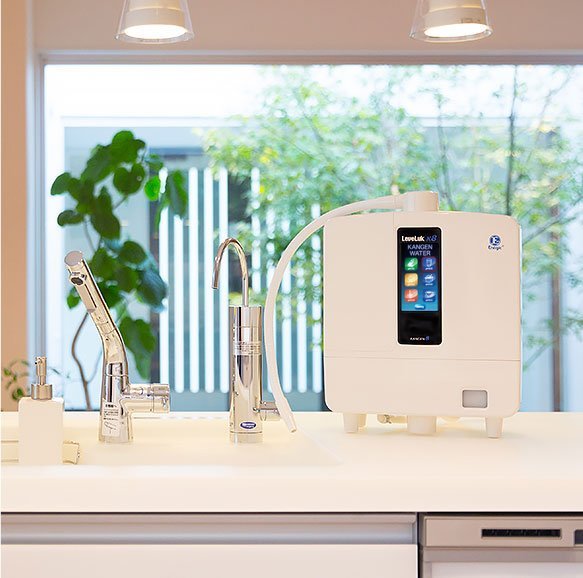
The LeveLuk K8 is our 8-plate flagship countertop model. We won’t pretend 8 plates is a magic number — the product page has the full specs, filtration details, and warranty terms.
The short version
A water ionizer is a filter plus an electrolysis cell. It reliably changes the water’s pH and adds dissolved hydrogen, and both are measurable. It does not change your body’s pH, and the strongest finding behind it is an in-vitro result about pepsin. Buy one for filtration, taste, and convenience if those are worth the price to you — and check the cautions above first.
This article is for general information and is not medical advice. Talk to your doctor before changing what you drink, especially if you have kidney disease or take medication.
Before you go
Get the next honest answer by email
We'd rather tell you when the answer is no. One email a week, written the same way as this post.