Hydrogen water machine: what you’re actually buying (and what it isn’t)
If you’ve started shopping for a hydrogen water machine, you’ve noticed the category is a mess of overlapping claims from ionizers, generators, bottles, and pitchers. We sell water ionizers — we’re an authorized Enagic dealer — so we have a stake in this conversation, and we’d rather say that up front than have you find out later. What follows is the buying guide we’d want ourselves: what these machines do, how the number on the box gets measured, what the human research supports, and where a machine like ours fits — and where it doesn’t.
Hydrogen water machine or water ionizer: the mechanism difference
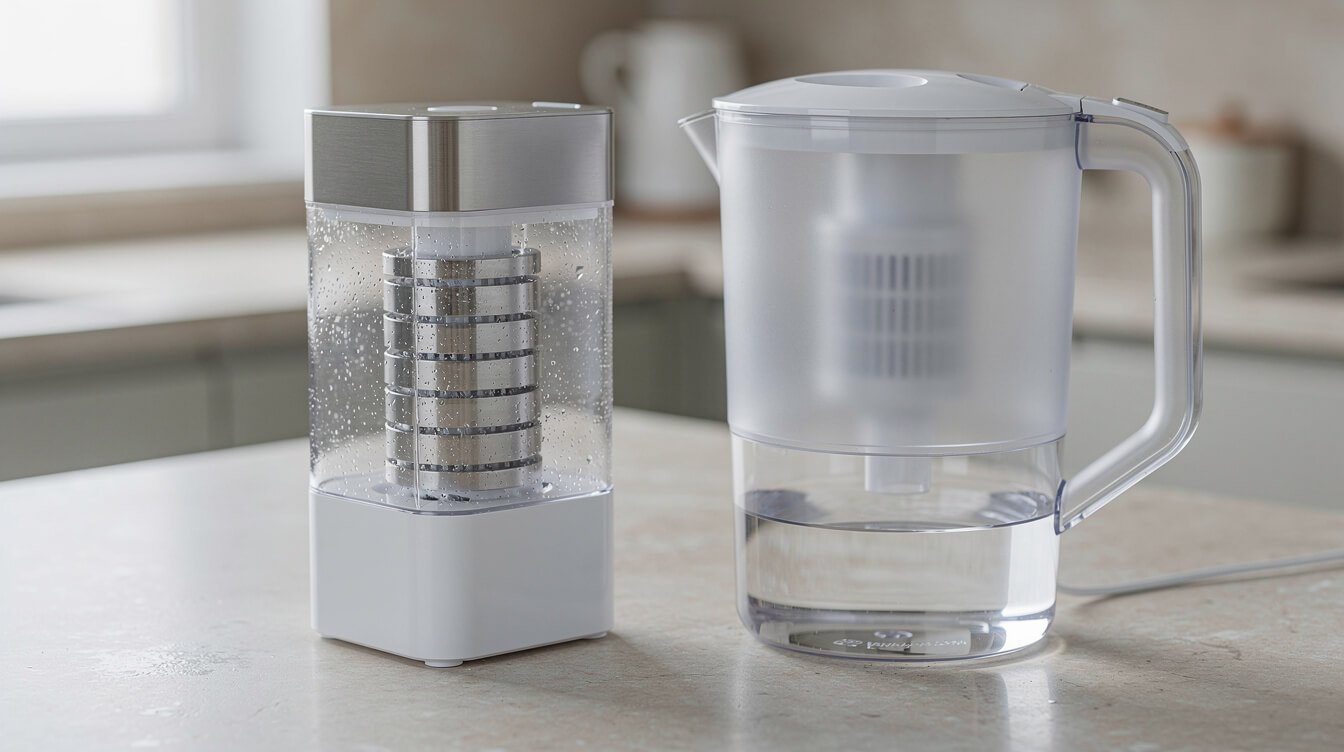
“Hydrogen water machine” covers at least two genuinely different products.
A water ionizer works by electrolysis: it runs an electric current through water flowing past charged plates, which separates the water into an alkaline stream and an acidic stream. Dissolved molecular hydrogen (H₂) forms as a byproduct of that reaction on the alkaline side.
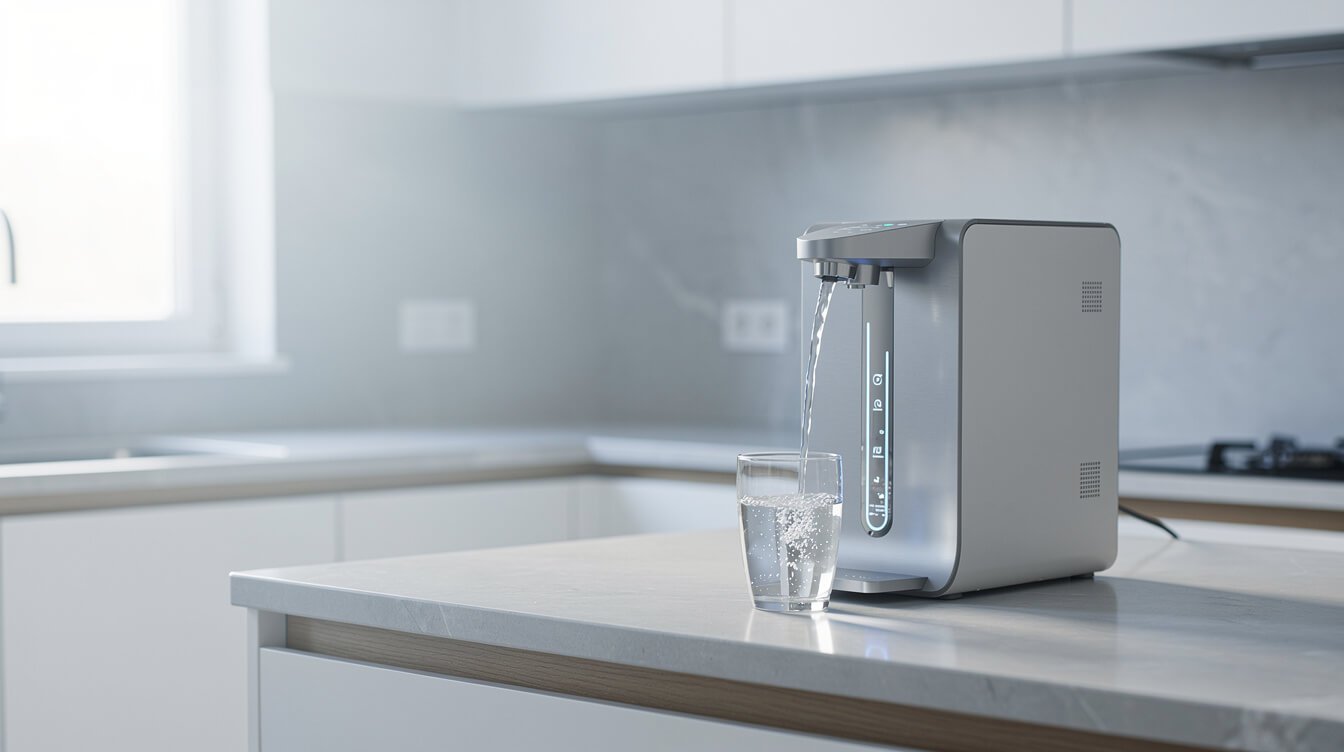
A dedicated hydrogen generator — whether a countertop unit, a pitcher, or a portable bottle — is built around one job: dissolving H₂ into water without meaningfully changing its pH. Some use a small sealed electrolysis cell; others use a magnesium stick or tablet. Either way, pH stays close to neutral and hydrogen is the entire point.
That is the distinction most buyers haven’t been told clearly: if you want hydrogen only, a dedicated device does that job for much less, without paying for filtration and ionization you may not need. If you want filtered, alkaline drinking water for a household with hydrogen as a bonus, an ionizer is the more honest purchase — but it’s a bigger one, both in price and in what the machine is built to do.
On ionizers, more plates generally mean a wider pH range and more potential hydrogen output, within limits set by your water’s mineral content. Our comparison of hydrogen water, alkaline water, and Kangen water has the terminology in one place.
How dissolved hydrogen is measured — and why the numbers disagree
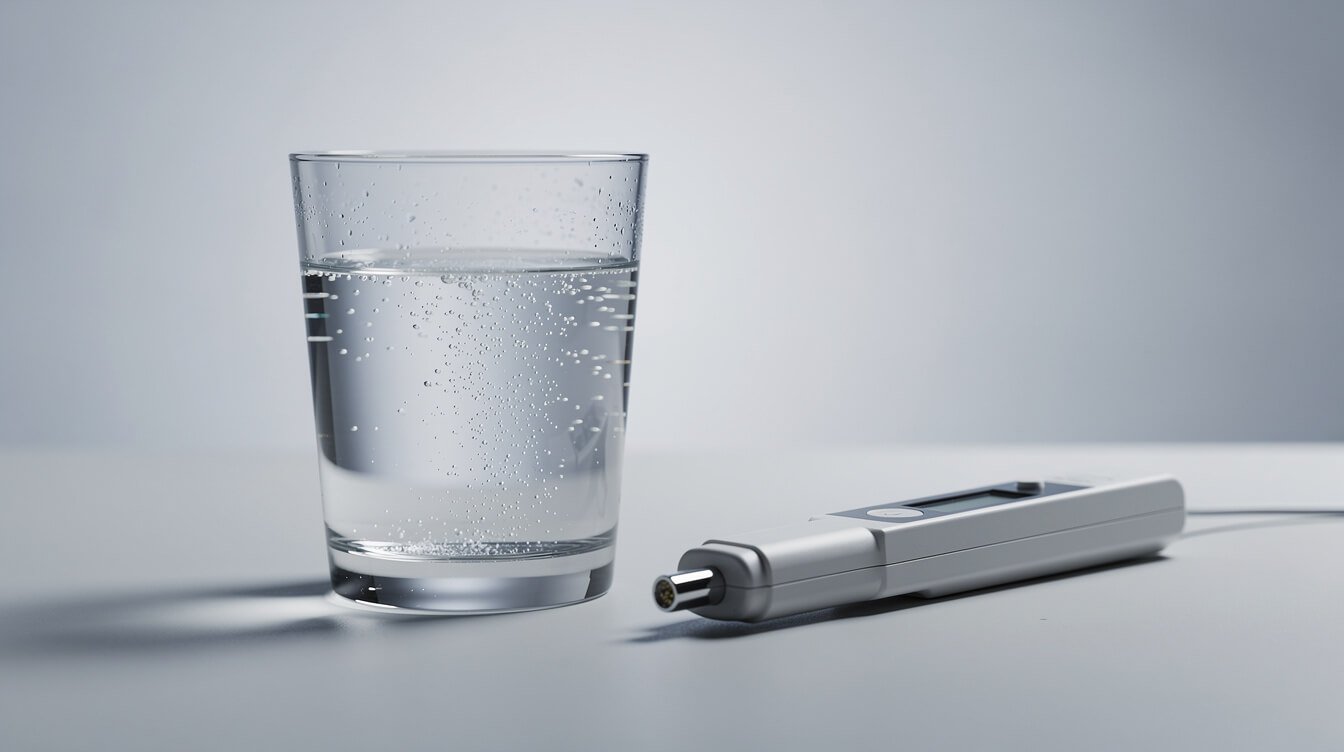
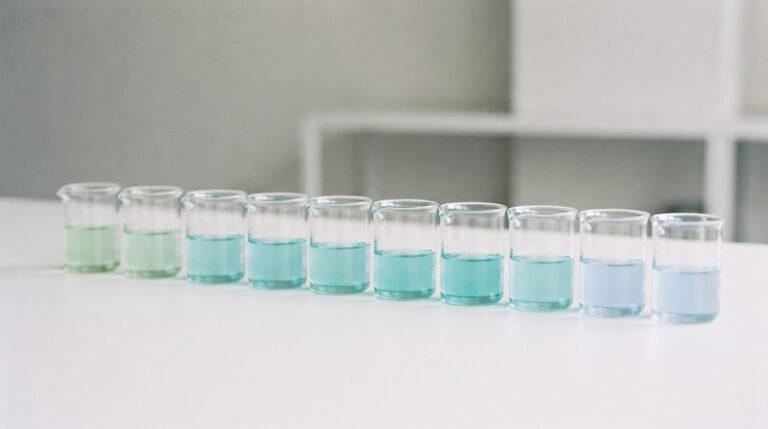
Product listings love to lead with a parts-per-billion figure. The unit is real and standard. What’s rarely disclosed is the method — a handheld dissolved-hydrogen meter or a colorimetric drop-test kit — and when the sample was taken. Hydrogen escapes water quickly, so a manufacturer testing at the tap, immediately, in a sealed chamber will report a higher number than you’d measure from an open glass a few minutes later. An unsourced number isn’t fake; it’s just close to useless for comparison shopping.
Don’t let ORP (oxidation-reduction potential, in millivolts) stand in for hydrogen. ORP is related but separate: two samples with the same dissolved H₂ can read differently depending on minerals and temperature. A listing that uses the two interchangeably was written by marketing, not by someone who tested the water.
What to ask a seller: which method produced the advertised figure, how long after dispensing it was measured, and whether an independent lab verified it. A seller who can answer specifically is a different kind of seller than one who repeats the number on the box.
What the human clinical evidence actually supports

Stated plainly: the evidence base for molecular hydrogen is weighted heavily toward animal models and in-vitro (laboratory dish) studies, not large human clinical trials. Some small human pilot studies exist, but they tend to have small samples, short durations, and limited replication. That is a very different standard from “this has been shown to help people.”
One pattern is worth naming because it’s the most common dishonesty in this category: some of the most frequently cited hydrogen research used inhaled hydrogen gas in animal models, not water that a person drinks. By the time that research reaches a product page, both the gas-versus-water and the animal-versus-human distinctions have usually been dropped. We won’t do that here, and we’d encourage you to be skeptical of any seller who does.
None of this makes the research worthless — early-stage work is how human evidence eventually gets built. It means hydrogen water is currently a promising, unsettled area of research, not a health intervention. If a listing implies disease benefits or “clinically established” outcomes, that’s marketing outrunning the science.
We’ve covered the safety questions in hydrogen water side effects: what’s real and what isn’t, and the skeptic’s case in is hydrogen water a hoax?
Off-gassing: why fresh matters

Molecular hydrogen is the smallest molecule there is, and it doesn’t stay dissolved at room pressure. Once water is exposed to open air, dissolved H₂ starts escaping, faster if the water is warm or agitated. How fast depends on temperature, container, and starting concentration. The practical upshot: pre-bottled “hydrogen water” has usually lost much of its hydrogen before it reaches you, while a machine that makes water on demand lets you drink it near its peak. If hydrogen is your goal, drink promptly after the water is made.
Honest answers, weekly
The research, without the sales pitch
One short email a week: what a study actually found, what it didn't, and what's worth your attention. No spam. Unsubscribe anytime.
Before you buy: certification, testing, and warranty

A practical checklist, in the order we’d actually use it:
- Filtration certification. If the device also filters water (most ionizers do; many dedicated hydrogen machines don’t), ask which NSF/ANSI standard it’s certified to and for what — certification is standard-specific, not a blanket stamp.
- Independent hydrogen testing. Ask whether the advertised figure has third-party verification, and under what conditions. A company that won’t answer is telling you something.
- Warranty length and coverage. Electrolysis plates degrade over years of use. Know what’s covered, for how long, and whether coverage requires the manufacturer’s own filters.
- Source water compatibility. Electrolysis depends on the mineral content of your incoming water. A reputable seller will ask about your water before recommending a model.
- Parts availability. Plates and filters are consumables. A machine you can’t maintain in year six is a worse purchase than a cheaper one you can.
Where an ionizer fits — and where a dedicated hydrogen machine wins
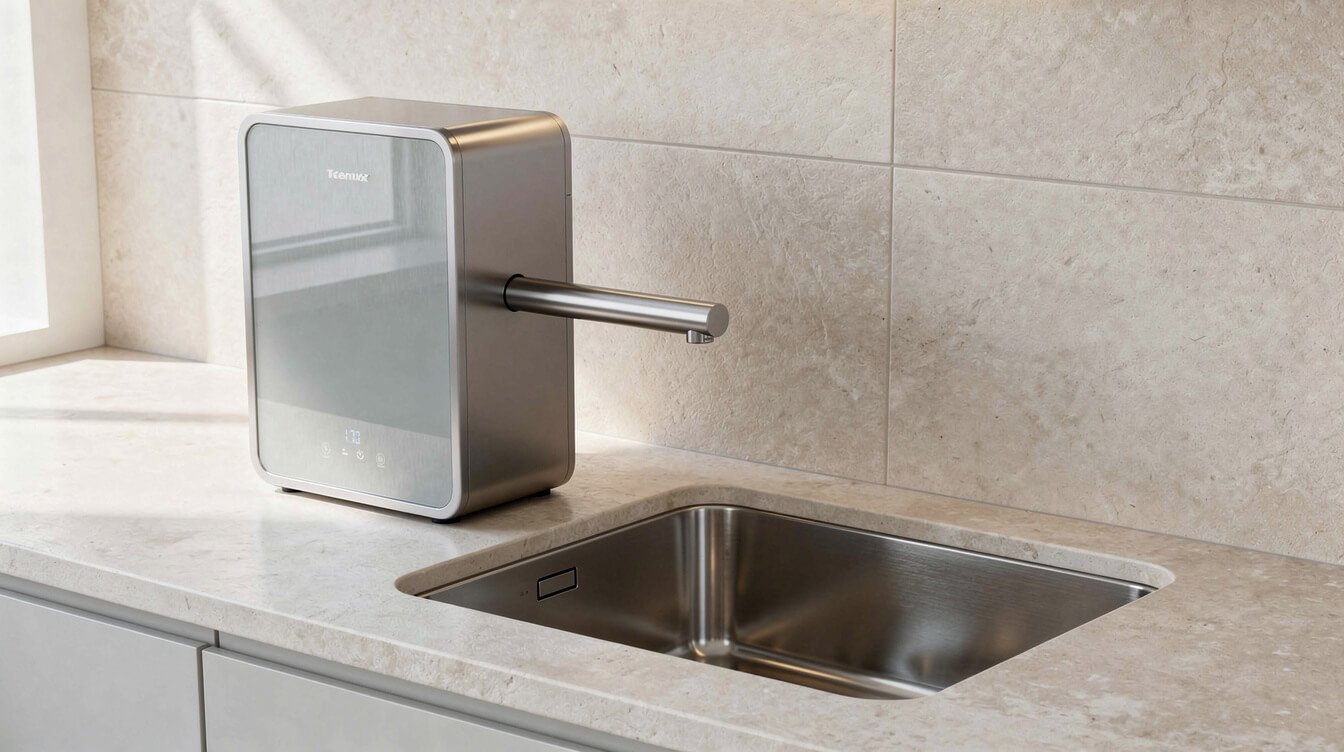
A dedicated hydrogen machine or bottle makes more sense if your only goal is dissolved hydrogen without a pH change, you want the lowest entry price, you’re buying for one person, or you already have filtration you’re happy with.
An alkaline ionizer makes more sense if you want continuous filtered drinking water for a household, you want multiple pH settings — including the acidic stream many owners use for cleaning rather than drinking — and you’re comfortable paying for a machine built to do more than one job. Our guide on how to judge an alkaline water ionizer brand covers that direction in detail.
The two categories aren’t competing for the same buyer. Any seller — including us — who talks you into the more expensive option without asking what you’re trying to accomplish isn’t doing you a favor.
Who should check with a doctor first
Before starting daily use of hydrogen or alkaline water from any machine, talk to a doctor first if you have chronic kidney disease or are on dialysis, follow a sodium- or mineral-restricted diet, take medications where mineral or pH shifts matter (including some proton pump inhibitors), are pregnant, or are considering it for an infant. For most healthy adults, hydrogen-rich water appears to carry low risk — it’s water with a dissolved gas, not a chemical additive. If you’re in one of those groups, ask first, and take “no” as the answer if that’s what you hear. Every competing listing skips this section, and we think that omission is the real scandal in this category — not the water itself.
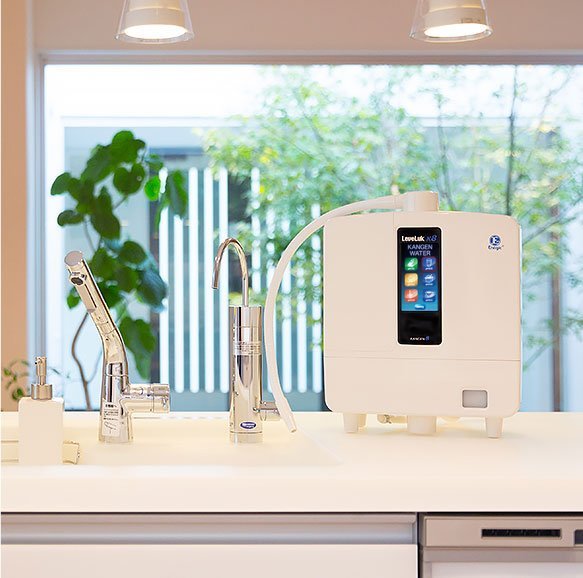
Considering an ionizer instead of a dedicated hydrogen machine?
The LeveLuk K8 is our flagship, an 8-plate ionizer: filtration, multiple pH settings, and dissolved hydrogen from one machine. Full specs and documentation are on the product page.
Final thoughts
A hydrogen water machine is a real product solving a real, if modest, chemistry problem: getting more dissolved hydrogen into water you drink. It is not a settled medical intervention, and any seller who tells you otherwise is selling the marketing, not the water. Decide first what you actually want — hydrogen alone, or filtered alkaline water with hydrogen as a byproduct — then let price and features follow that decision. For some people, that means a simple bottle or pitcher. For others, it means a machine like ours. Neither is right for everyone.
This article is for general information and is not medical advice. Talk to your doctor before changing what you drink, especially if you have kidney disease or take medication.
Before you go
Get the next honest answer by email
We'd rather tell you when the answer is no. One email a week, written the same way as this post.