
Can you drink electrolyte water every day? Who needs it, who doesn’t, and who should be careful
We sell water ionizers, so we have a commercial interest in how people think about what they drink. Weigh what follows with that in mind. We would rather say it in the first line than bury it at the bottom.
Can you drink electrolyte water every day? For most healthy adults, a lightly mineralized bottled water is fine as an everyday drink. A daily electrolyte mix is a different matter, and usually unnecessary. The words “electrolyte water” cover both, and the gap between them is large. If you typed “can I drink electrolyte water everyday” into a search box, the useful answer starts with which one is in your glass, then moves to whether you need it, how to read the label, and who should ask a clinician first.
Electrolyte water every day: first, which kind do you mean?
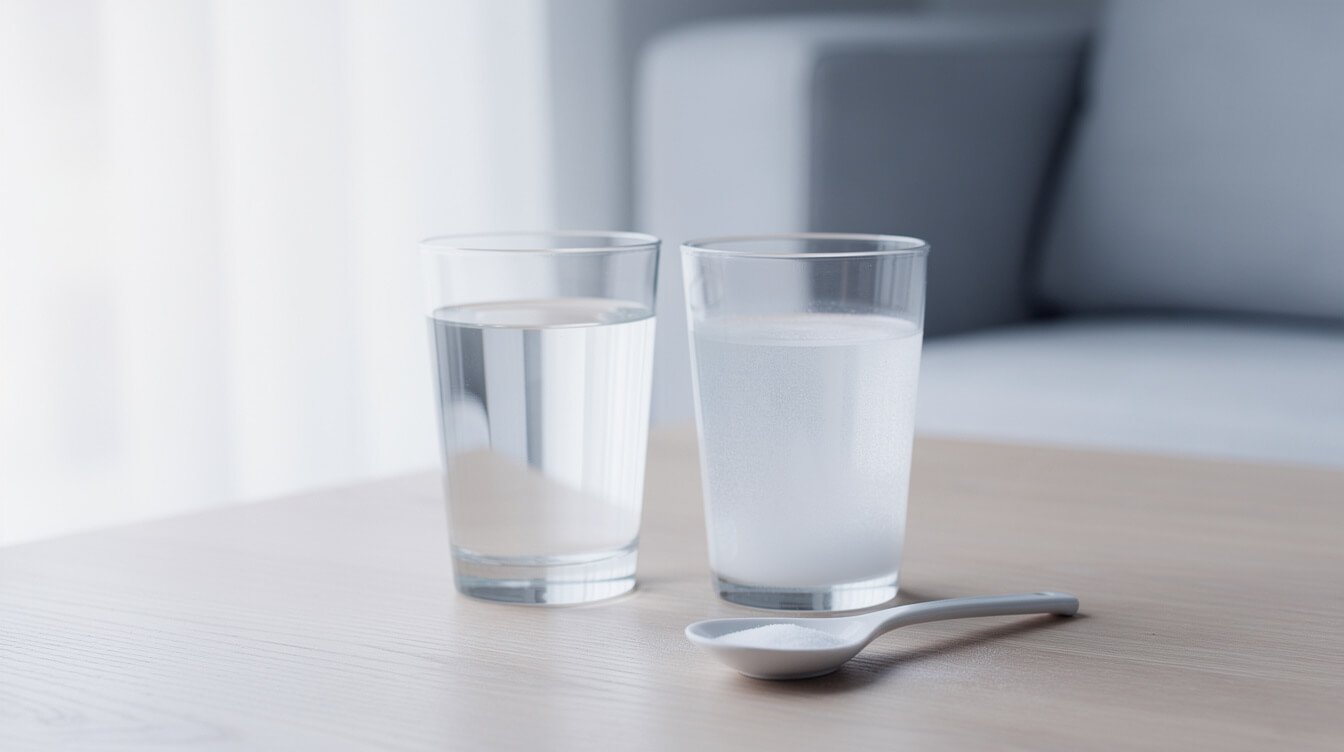
Electrolytes are minerals that carry an electrical charge once they dissolve: sodium, chloride, potassium, magnesium, and calcium are the main ones. Almost all drinking water contains some. What changes from product to product is how much.
Bottled “electrolyte water” is usually purified water with small amounts of mineral salts added back, mostly for taste. One ionized bottled brand we looked at in detail says its electrolytes are added “for a clean, smooth taste,” and its 2025 water quality report lists 15 mg of sodium per liter. We covered that bottle in our look at Essentia ionized water.
Electrolyte mixes and sports drinks are built for replacing sweat losses, and the amounts are of a different order. One widely sold stick-pack mix lists 1,000 mg of sodium per serving (label checked November 2026). That single serving is about 43% of the FDA’s Daily Value for sodium, which is less than 2,300 mg a day. Many sports drinks also carry added sugar. AdventHealth puts mainstream brands at roughly 11 to 35 grams per serving.
So “is it safe every day?” has two different answers. The first kind is basically water. The second is a supplement, and deserves the same care as one.
Do most people need electrolytes every day?
Usually not from a drink. Your body needs electrolytes every day, but for most people food already covers it. Joshua Beer, DO, a sports medicine specialist at University Hospitals, puts it plainly: “A normal diet provides enough electrolytes to replenish the body,” and “it’s not recommended to take electrolyte supplements when not necessary.”
HonorHealth sports medicine physician Ashkan Alkhamisi, MD, says the same: “In general, electrolyte supplements are not intended for routine, everyday hydration,” and “Electrolytes should supplement it, not replace plain water.” He lists what too much sodium can do: bloating, higher blood pressure, and fluid retention.
Sodium is the part most people already have covered. According to the FDA, Americans eat about 3,400 mg of sodium a day on average, against a recommended limit of less than 2,300 mg for adults. For the average American, a daily sodium-heavy mix pushes further over a line they are already past.
When added electrolytes actually make sense
The case for them is sweat. Dr. Beer’s guidance is specific. For low-intensity exercise lasting less than an hour, water is likely enough. An electrolyte supplement is worth considering when exercise runs past an hour, when it happens in heat and humidity, or when you are a particularly heavy sweater. He also says the same logic applies to anything that makes you sweat hard, such as long yard work in summer.
That points to a practical rule. Think of electrolytes as something you add on hard, hot, sweaty days, not as a background habit. If your day is mostly a desk, a commute, and an evening walk, plain water and normal meals are doing the job. Illness that causes heavy fluid loss is a separate situation, and one to discuss with a clinician rather than a drink label.
How to read the label before it becomes a daily habit

If you are deciding whether to drink electrolyte water every day, the Nutrition Facts panel answers most of it in under a minute.
- Sodium per serving. The FDA’s rule of thumb is that 5% DV or less per serving is low and 20% DV or more is high. A lightly mineralized water sits near the bottom. The stick-pack mix above sits at about 43%.
- Servings per day. Multiply. Two servings of that mix carry 2,000 mg of sodium, most of a day’s limit, before you have eaten anything.
- Potassium and magnesium. Note the amounts, especially if anything in the next section applies to you.
- Added sugar. A sports drink with sugar is fuel for long exercise. As an everyday drink, it is added sugar.
The same habit works for mineral water, where sodium can also add up. We walk through that label in is mineral water good for you?
Honest answers, weekly
The research, without the sales pitch
One short email a week: what a study actually found, what it didn't, and what's worth your attention. No spam. Unsubscribe anytime.
Who should check with a clinician first
This is the part most electrolyte marketing leaves out. For some people the minerals in these products are not neutral, and whether to drink electrolyte water every day is a medical question.
- Sodium-restricted diets and high blood pressure. If you have been told to limit sodium, a daily electrolyte mix works directly against that advice. Read every label.
- Kidney disease. Kidneys clear excess sodium, potassium, and magnesium. The NIH Office of Dietary Supplements notes that people with chronic kidney disease can develop abnormally high blood potassium (hyperkalemia), even at typical intakes. Our post on alkaline water and kidney health explains why kidneys are the organ that matters here.
- Some blood pressure and heart medicines. The same NIH fact sheet names ACE inhibitors, angiotensin receptor blockers, and potassium-sparing diuretics as medicines that reduce how much potassium you lose in urine and can push levels too high. It also warns that salt substitutes often contain potassium. If you take any of these, ask your doctor or pharmacist before adding potassium from a drink.
- Children. The FDA notes that recommended sodium limits for children under 14 are lower than for adults, so an adult-strength mix is the wrong default. Ask a pediatrician.
Even healthy people can overdo potassium. NIH says too much from supplements or salt substitutes can cause hyperkalemia if the body cannot clear the excess. Dr. Beer adds that too much potassium can cause an irregular heartbeat. That is a reason to use concentrated products deliberately, not daily by default.
Where alkaline and ionized water fit
Since we sell ionizers, this is worth stating clearly: an ionizer is not an electrolyte supplement. Electrolysis changes the pH of the water and produces some dissolved hydrogen. Electrolysis itself does not add sodium, potassium, or magnesium. The minerals in the glass come from your source water. If you want to know what your tap water contains, a TDS reading gives you a rough total. Our post on what TDS in water measures covers what that number can and cannot tell you.
“Ionized” on a label also does not mean “electrolyte-enhanced.” Every dissolved mineral exists as ions, so in a literal sense almost all water is ionized. A high pH and a meaningful electrolyte dose are separate properties, and a product can have one without the other.
If you are choosing an everyday water
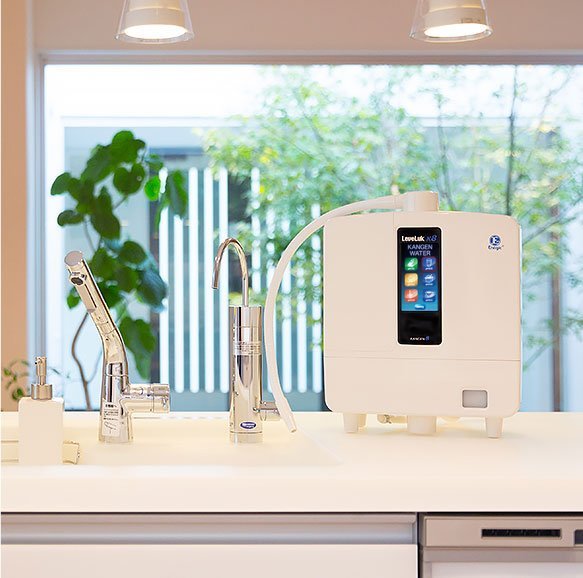
The LeveLuk K8 is the eight-plate ionizer we sell. It filters your tap water and adjusts pH by electrolysis as you pour. It is not an electrolyte supplement: it adds no sodium, potassium, or magnesium, and it does not replace a sports drink on a long, hot day. Specs and documentation are on the product page.
So, can you drink electrolyte water every day?
If it is a lightly mineralized bottled water, yes. For most healthy adults it is just water with a little salt for taste, and the label will show small numbers. If it is a concentrated mix or a sports drink, most people do not need it every day. Food already supplies electrolytes, and the extra sodium and sugar add up. Save it for long, hot, or very sweaty days.
The exceptions matter more than the rule. If you have kidney disease, have been told to limit sodium, or take a medicine that affects potassium, ask your doctor before making any electrolyte product a daily habit.
This article is for general information and is not medical advice. Talk to your doctor before changing what you drink, especially if you have kidney disease, are pregnant, or take medication.
Before you go
Get the next honest answer by email
We'd rather tell you when the answer is no. One email a week, written the same way as this post.