What pH Should Drinking Water Be?
The short answer: between 6.5 and 8.5, which is what the EPA recommends and what most tap water already delivers.
The longer answer is more interesting, because that recommendation isn’t primarily about your health.
Why 6.5 to 8.5
This is the EPA’s secondary standard — a guideline covering taste, odour and appearance rather than safety. It exists largely because of plumbing. Water below about 6.5 is corrosive and can leach metals from pipes, including lead in older systems. Water above about 8.5 tastes bitter or soapy and leaves scale.
So the range protects your pipes and your palate. It is not a therapeutic window, and no value inside it is meaningfully healthier than another.
What your tap water probably is
Most US tap water sits between 6.5 and 8.5, and utilities frequently adjust it slightly alkaline on purpose — mildly alkaline water is less corrosive to distribution pipes.
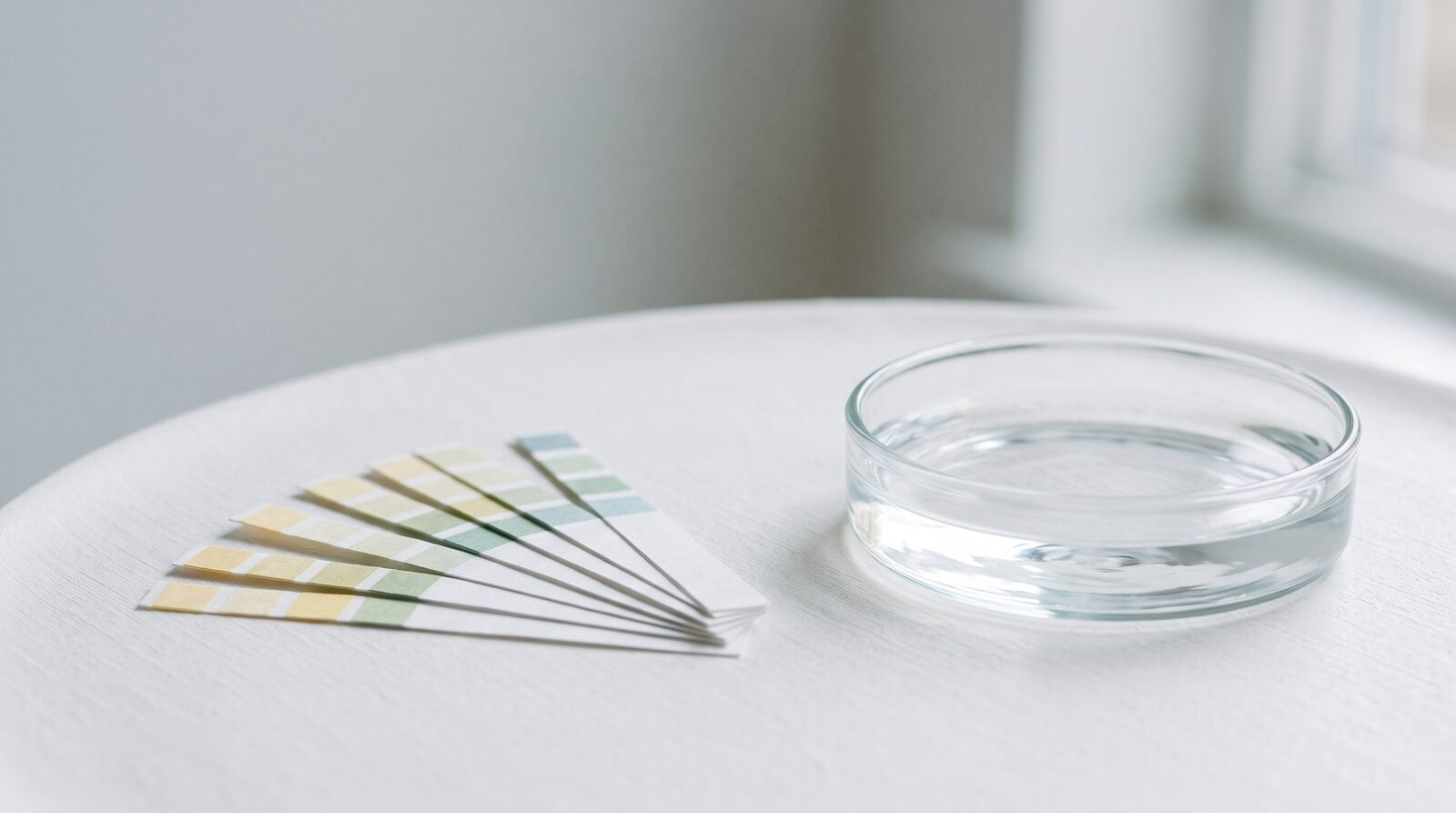
Where you land depends on local geology (limestone raises pH, granite lowers it), your treatment plant’s target, and your building’s plumbing. Your utility publishes an annual water quality report, and test strips cost very little if you want to check what actually comes out of your tap.
Is pH 9.5 water good for you?
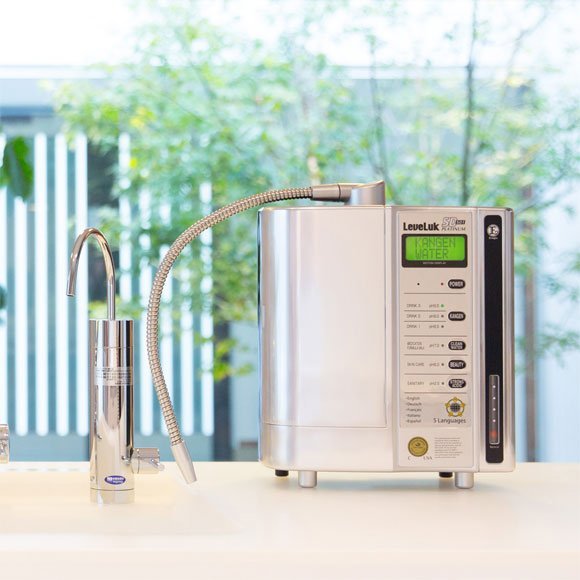
This is asked often enough to deserve a direct answer, since 9.5 is the top drinking setting on most ionizers.
It’s generally safe for healthy adults in normal quantities. It will not change your blood pH — that’s held between roughly 7.35 and 7.45 by your lungs and kidneys regardless of what you drink, and stomach acid at pH 1.5 to 3.5 re-acidifies whatever arrives within minutes.
Some cautions, though. Habitually drinking large volumes above pH 9.5 can cause stomach upset. Higher ionizer settings are intended for food preparation rather than routine drinking. And higher is not better — there’s no evidence that pushing pH up improves anything, and the settings above the drinking range exist for other purposes.
If you have chronic kidney disease or take acid-suppressing medication, speak to your clinician before drinking high-pH water at all. That caution matters more than any benefit discussed here.
Honest answers, weekly
The research, without the sales pitch
One short email a week: what a study actually found, what it didn't, and what's worth your attention. No spam. Unsubscribe anytime.
What pH doesn’t tell you
pH is one number about one property: hydrogen ion concentration. It tells you nothing about whether water contains bacteria, lead, PFAS, nitrates, or anything else that actually determines whether water is safe.
A perfectly neutral pH 7.0 reading is entirely compatible with contaminated water. If you’re worried about safety, test for contaminants — pH is not a proxy for quality, though it’s often marketed as though it were.
Also worth knowing: a quality-control study by Pitale and colleagues found five of six tested alkaline water brands measured lower pH than their labels claimed. If the number matters to you, measure it rather than trusting packaging.
Practical answer
For everyday drinking, anywhere in 6.5 to 8.5 is fine, and that’s most likely what you already have. If you use an ionizer, 8.5 to 9.5 is the intended drinking range, with higher settings reserved for cooking and cleaning.
Optimising pH is not where the returns are. If you want better water, the filtration stage matters far more — it’s just harder to put on a label.
General information only, not medical advice.
Before you go
Get the next honest answer by email
We'd rather tell you when the answer is no. One email a week, written the same way as this post.