Alkaline Ionized Water Brands Trusted For Purity
Think all alkaline waters are the same? Not even close.
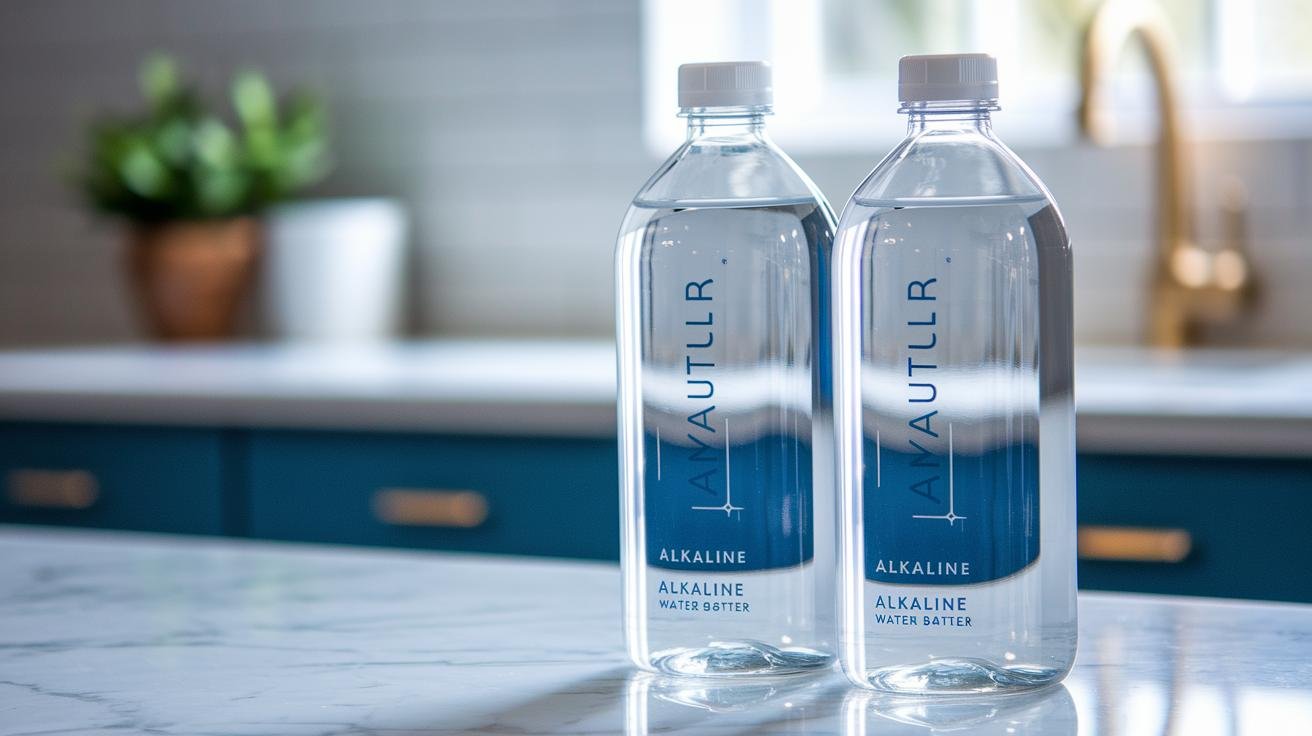
We line up popular bottled brands side by side so you can see which ones are actually pure and which are mostly marketing. You’ll notice it in the first sip, some are a crisp, cool sip, others feel flat or heavy.
We compare pH (how acidic or alkaline something is), price, source, and how the water is processed. That lets you pick by taste, mineral feel, or budget.
No fluff. Just clear facts and a simple table you can scan fast. Wait, let me rephrase that… a clean chart so you can find the right bottle in seconds.
If you’ve ever wondered which bottle actually tastes clean and feels pure, this guide makes choosing easy. Um, it’s that simple.
Alkaline Ionized Water Brands Trusted For Purity
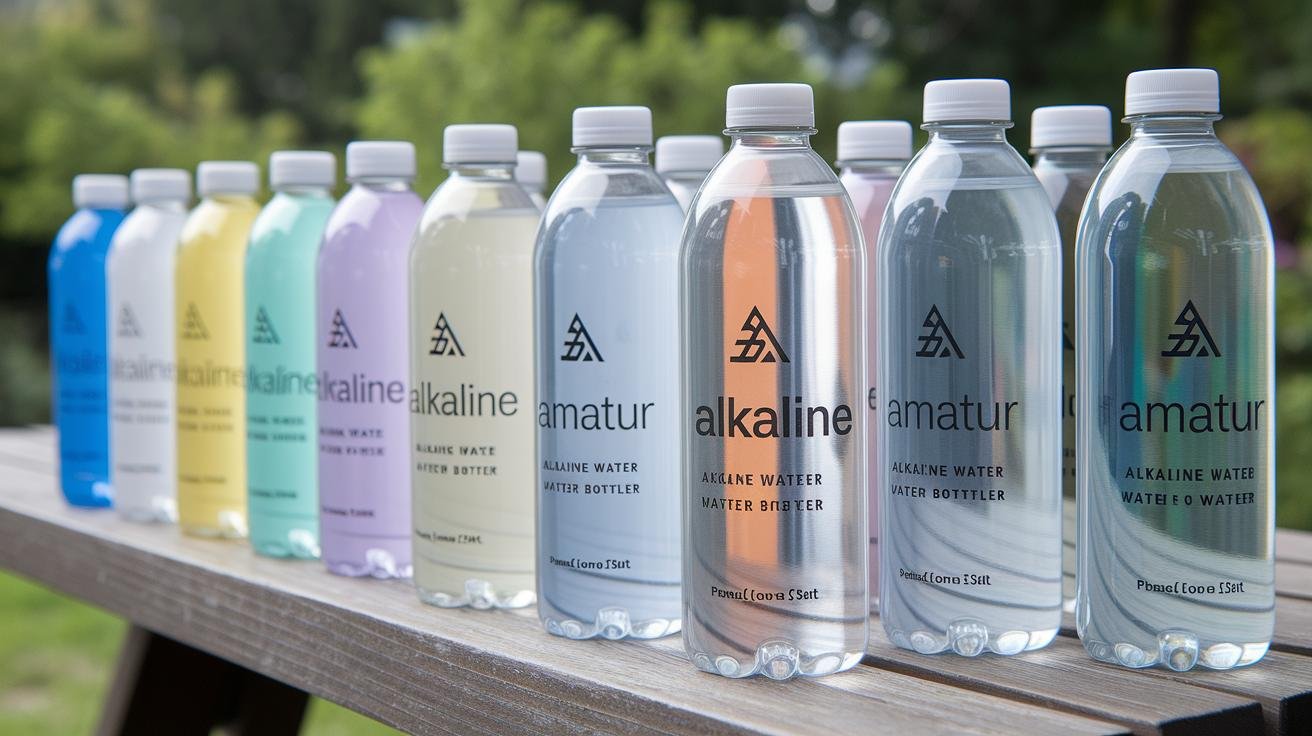
A quick side-by-side makes it easy to see which bottled options match what you want, pH (how acidic or alkaline something is), price, source, and how the water is processed. Scan fast. Choose by taste, mineral feel, or budget.
| Brand | pH Range | Price per Pack | Source/Spring | Bottle Type |
|---|---|---|---|---|
| Essentia | 9.5+ | $6.68 (500 ml, 6-pack) | Reverse-osmosis & ionization | BPA-free plastic |
| Smartwater Alkaline | 9.5 | $3.69 (33.8 fl oz) | Vapor-distilled + electrolytes | Plastic |
| Icelandic Glacial | 8.4 | $14.99 (1 L, 6-pack) | Lava-rock filtration | Plastic / Glass / Aluminum |
| Flow | 8.1 | $10.22 (16.9 oz, 6-pack) | Artesian spring | Eco-friendly bottle |
| Evamor | 8.8–9.1 | $15.99 (32 oz, 6-pack) | Artesian aquifer | BPA-free plastic |
| Alkaline88 | 8.8 | $5.99 (1 gal, 4-pack) | 7-step purification + Himalayan salt | Plastic |
| AQUAhydrate | 9+ | $22.99 (1 gal) | Multi-step filtration + electrolytes | Plastic |
| Qure | 10 | $47.28 (1 L, 12-pack) | 9-stage filtration | Plastic |
| 365 by Whole Foods | 9.6 | $1.39 (25.3 oz) | Added electrolytes | Plastic |
| Path | 9.5+ | $18.99 (20 oz, 4-pack) | Ultrapurified | BPA-free refillable |
These bottled choices run from soft, springlike waters to highly purified, mineral-added options. You’ll notice pH and price swing quite a bit between brands.
Ever tested a labeled pH at home and gotten a different number? That happens a lot. Home tests can vary, and bottled pH can shift over time or with storage. So take labels with a little salt. Or, hmm, maybe not literal salt.
If you care about antioxidant power, note this: most bottled alkaline water doesn’t keep much molecular hydrogen (the tiny H2 gas linked to antioxidant effects). Molecular hydrogen (H2, a dissolved gas) fades quickly in stored bottles. For steady hydrogen, look at hydrogen water machines or electrolysis systems (that’s the process that splits water to boost hydrogen and change pH).
Options for on-demand hydrogen-rich water include countertop ionizers, portable hydrogen bottles, a Kangen water machine, or a Tyent water ionizer. Think of it like making fresh juice instead of buying canned juice, fresher, more active benefits.
Quick picks for convenience: Essentia, Smartwater Alkaline, and 365 by Whole Foods.
Want that natural spring vibe? Try Icelandic Glacial, Flow, or Evamor.
Pure refreshment.
pH Levels and Antioxidant Potential in Alkaline Ionized Water Brands
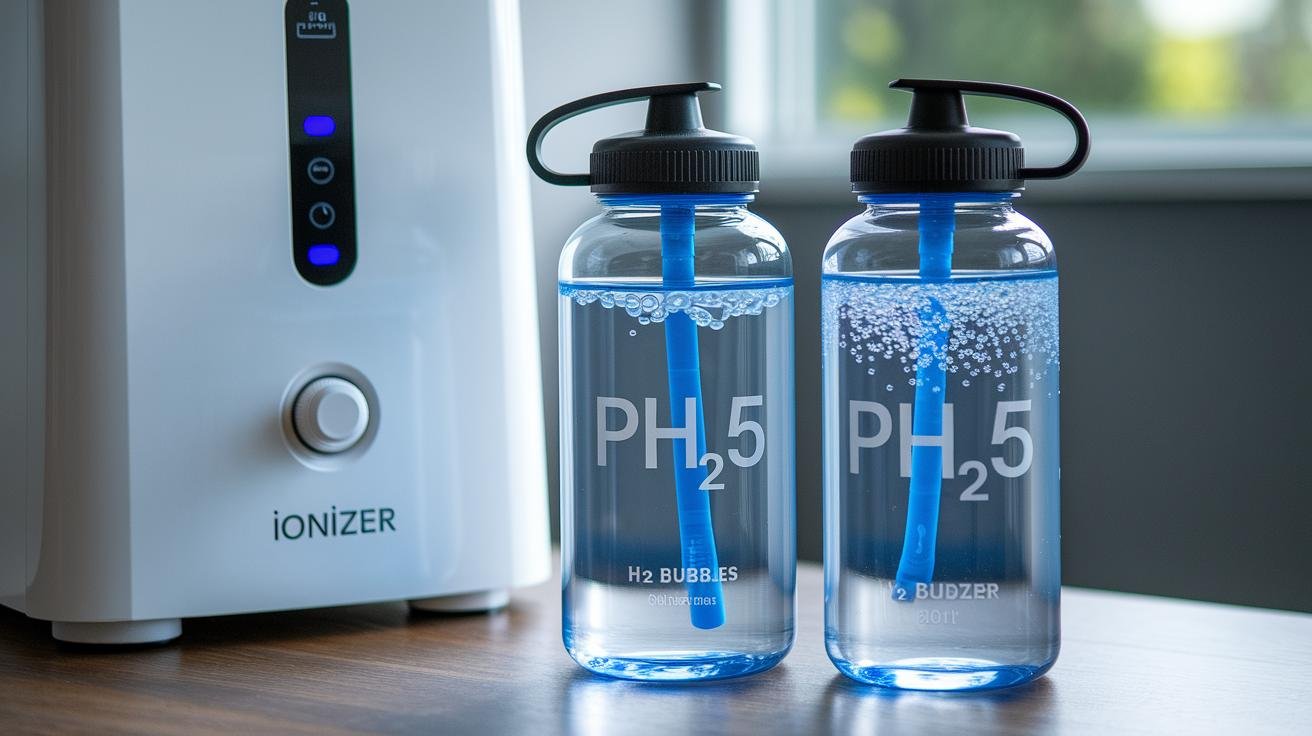
Alkaline water usually sits between pH 8 and 10, while regular tap water is about pH 6 to 7. pH (how acidic or alkaline something is) matters because many brands aim for pH 9.5 or above for the biggest effect. See alkaline water ph level for a quick reference. You’ll notice a smoother, crisper sip with higher pH water.
Antioxidant power comes from negative ORP (oxidation-reduction potential) and dissolved molecular hydrogen (H2). Negative ORP means the water can act like an antioxidant by donating electrons. Molecular hydrogen (H2) is tiny and gets into cells fast, so its presence often predicts real antioxidant activity.
Bottled alkaline water can lose H2 during storage and shipping because the gas escapes through plastic, so antioxidant levels fall over time. Ionized water made by electrolysis (splitting water with electricity to make different types of water) usually holds more H2 and can reach very high concentrations. Some devices and special bottles report up to 9,000 ppb H2 (ppb = parts per billion). Look for third-party hydrogen concentration test results to verify claims.
Quick checklist to evaluate a product:
- pH adjustment range: Can the device or product reach and hold pH 9.5 or above across repeated uses?
- Antioxidant potential levels: Are ORP values and H2 ppb listed on lab tests?
- Hydrogen concentration test: Is there independent lab data showing H2 retention over time?
Ever tested your water with a pH strip or a hydrogen concentration test? It’s an easy, eye-opening step. Hmm, I did mine last month, wait, let me rephrase that, it surprised me in a good way.
Filtration and Ionization Technologies in Leading Alkaline Ionized Water Brands
Top home electrolysis systems start with serious filtration. They usually use multi-stage pre-filters to pull out sediment, activated carbon to strip chlorine and volatile organic compounds, lead-reduction modules, and bacterial guard membranes. The result is cleaner water before it ever hits the ionizer plates, so your glass tastes crisper and mineral scale (hard deposits) builds up less.
Electrolysis is the heart of the machine. A strong electric current runs across stacks of plates to split water into alkaline and acidic streams and to produce dissolved molecular hydrogen (H2) (that’s hydrogen gas dissolved in the water). Plate material and layout matter a lot. The best units use platinum-coated titanium plates with careful spacing and flow channels to give water more contact time and higher hydrogen output. Curious about the process? See how is water ionized.
What really separates top brands in daily use:
- Auto-flush technology, with built-in flushing cycles and electrode cleaning, which helps kick out scale and keeps performance steady over months and years.
- TDS control settings, where TDS (total dissolved solids) lets you choose how many minerals stay in the water, keep helpful calcium and magnesium or dial them down for a cleaner taste.
- ORP measurement accuracy, with ORP (oxidation-reduction potential) readouts so you can check antioxidant power (negative ORP means the water can donate electrons).
- Remineralization capsules that add back balanced calcium, magnesium, and potassium after electrolysis so the water tastes rounded and gives you electrolytes.
Maintenance is simple but real: filters need replacing and occasional descaling even if you have auto-flush. Short, regular care keeps ORP stable and hydrogen output high. Hmm. Ever notice your energy dip midday? Better water can help.
Pick a unit that lists plate specs, shares independent ORP and H2 lab results, and explains TDS and cleaning options clearly. That way you’ll actually know what the tech is doing for your glass. Pure refreshment.
Alkaline Ionized Water Brands Trusted For Purity
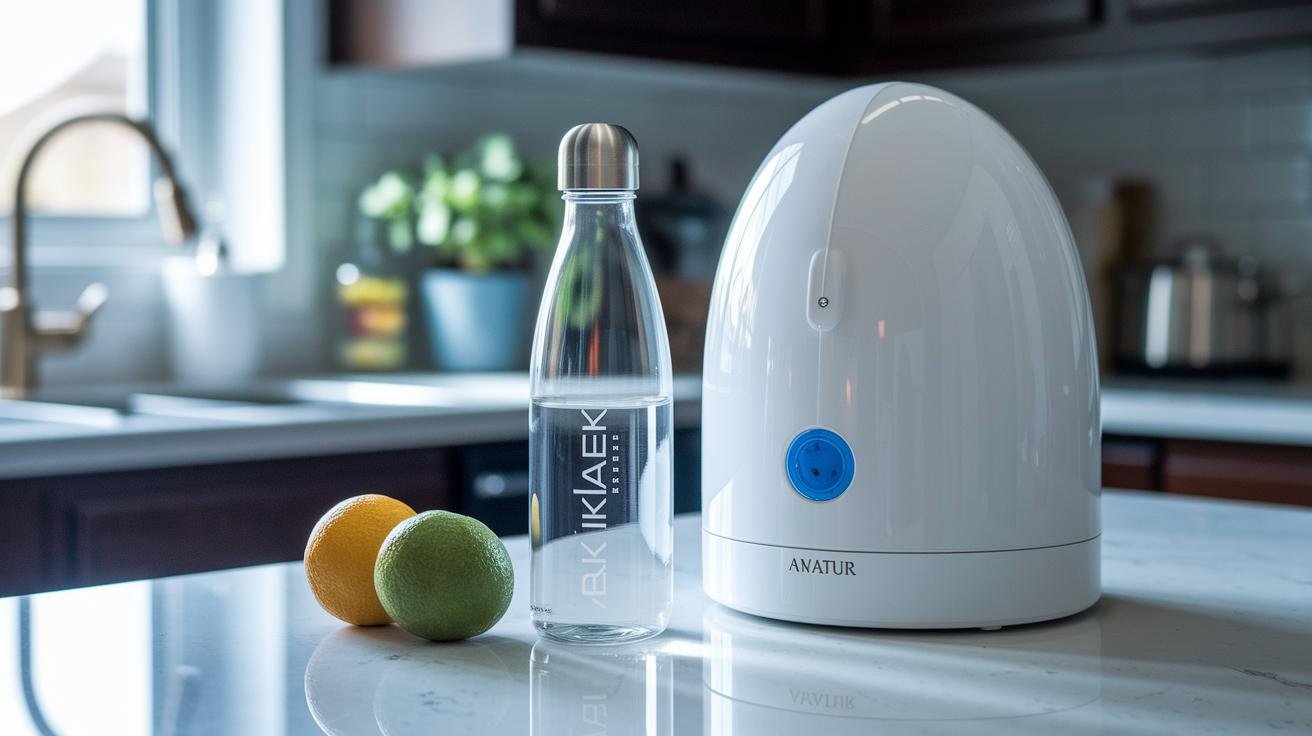
| Top takeaway: Bottled alkaline water is grab-and-go convenient. Ionizer devices make more molecular hydrogen (an antioxidant), let you adjust pH (how acidic or alkaline something is), and usually cost less per gallon over time. |
See the quick-picks table above for the top-rated bottled brands and device models.
Ever reach for a cold bottle between meetings or after a workout? Bottled alkaline water wins for convenience and portability. No setup, no filters, no thinking. Pure refreshment.
But heads up: labeled pH can be inconsistent when labs test bottles. Some bottles contain microplastics (tiny plastic bits), and the helpful molecular hydrogen (an antioxidant) can fade while the water sits on a shelf. It also costs more per sip, and yeah, single-use plastic waste adds up.
Ionizer machines, on the other hand, make alkaline, hydrogen-rich water on demand. You can dial the pH to your liking, and they tend to deliver steadier antioxidant levels (molecular hydrogen). Over time that usually means a lower cost per gallon. Nice.
The trade-offs are real though. Ionizers cost more up front, need a simple installation, and require routine filter swaps. You might do occasional electrode cleaning, and they need counter or under-sink space. There’s a short learning curve too. Still, if you drink a lot of water at home, they often pay off.
Which is right for you? If you value instant convenience and portability, bottled is easy. If you want consistent hydrogen-rich water and lower long-term cost, an ionizer could be worth the setup.
Alkaline Ionized Water Brands Trusted For Purity
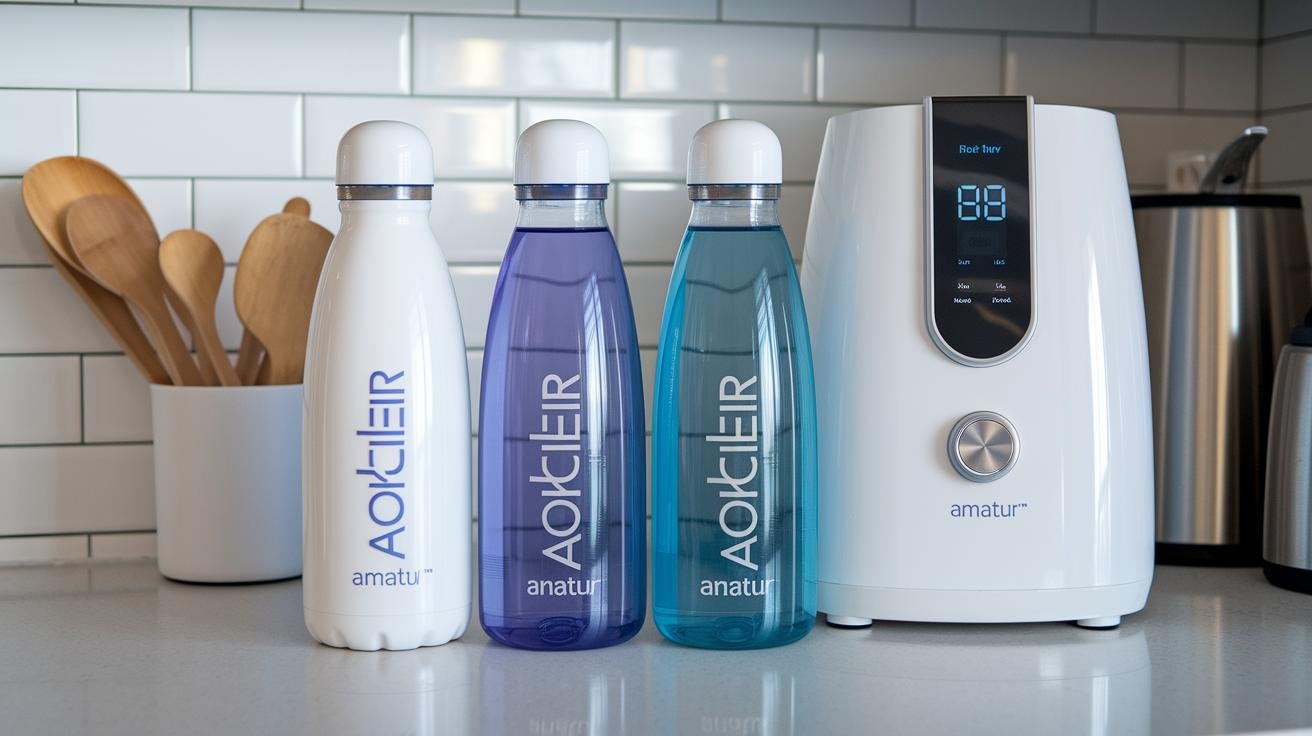
Bottled alkaline water usually runs about $2.50 to $4 for a 33 oz bottle. That crisp, cool sip adds up fast if you grab a couple a day. Ever added those costs up?
The Tyent H₂ Hydrogen Water Bottle (H₂ means molecular hydrogen, which some people like for extra antioxidant potential) is about $299. Full home ionizer units cost roughly $1,500 to $4,000. An ionizer (a machine that makes alkaline ionized water at home) is a one-time buy, and once you factor in filters and electricity, your cost per gallon often falls below $0.05.
Want a simple example? If a 33 oz bottle averages $3, that works out to roughly $12 to $15 per gallon. Compare that to a $2,000 ionizer making hundreds of gallons a month, and the math leans toward the ionizer for regular home drinkers. I crunched the numbers once and it surprised me, um, your daily bottled habit can easily cost you several hundred dollars a year.
Where to buy: most bottled alkaline brands are in big-box stores and on major e-commerce sites. Ionizers and hydrogen bottles sell through manufacturer websites, specialty showrooms, and some online retailers. Many ionizer makers also offer financing plans, extended warranties, and pro installation to spread out costs and simplify setup. Thinking long-term, financing can make a high-end unit feel a lot more manageable.
Alkaline Ionized Water Brands Trusted For Purity
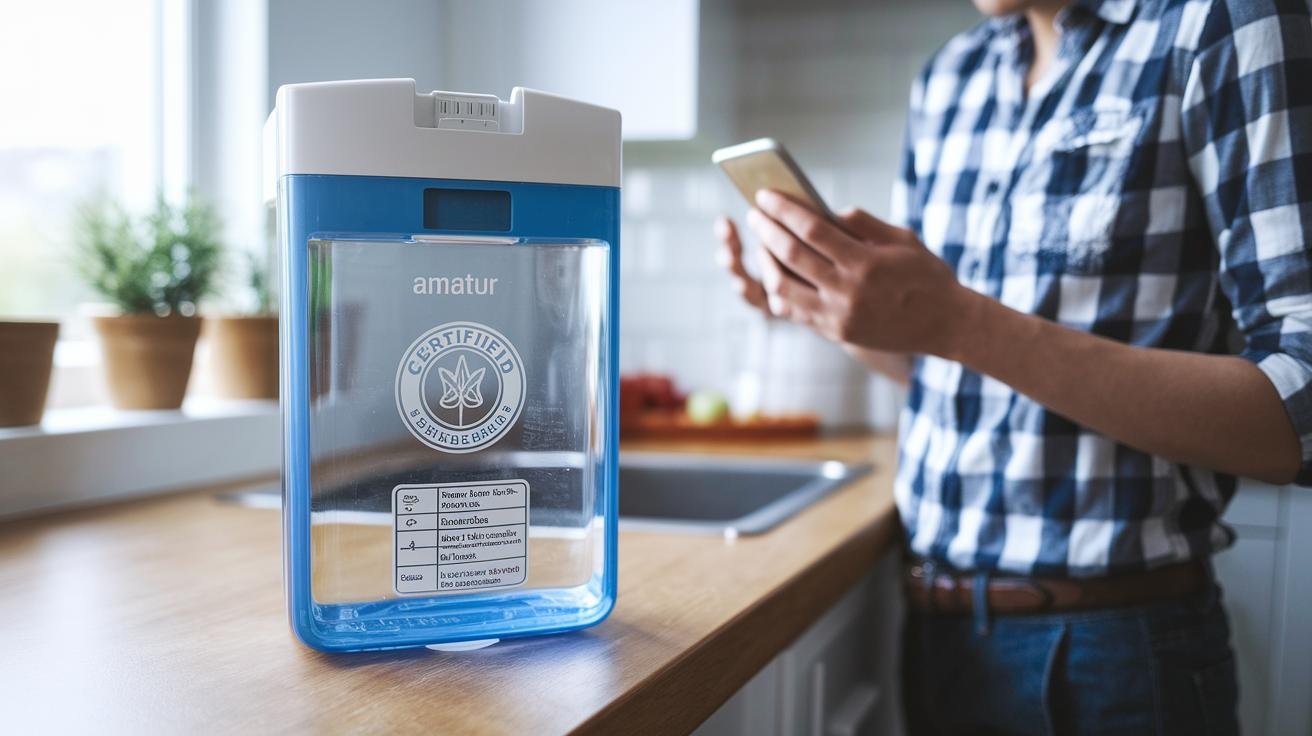
Good brands don’t just make claims. They show proof. Look for NSF (certifies filter materials meet safety and performance standards), UL approval (safety for electrical parts), ETL listing (independent check for device safety and function), and WQA accreditation (water quality testing). Those badges mean someone outside the company tested parts or processes, not just a marketing line.
Also check independent lab reports for pH (how acidic or alkaline something is) and H2 concentration (molecular hydrogen level). ORP is worth a look too , ORP (oxidation-reduction potential) tells you how reducing or oxidizing the water is. If a brand posts clear, recent lab numbers, that’s a good sign.
What do real people say? User reviews are gold. Many folks mention better hydration and a cleaner, crisper sip after switching. Some people report a faint metallic or plastic aftertaste, or slow service when something goes wrong. Those patterns matter, because steady performance over months is what proves a product.
Quick expert buying advice checklist:
- Verify published lab results for pH, ORP (how oxidizing or reducing the water is), and H2 concentration (molecular hydrogen).
- Confirm NSF certification for the filters and WQA accreditation for overall water testing.
- Check for UL safety approval or ETL listing if the unit has electrical components.
- Read recent user reviews about taste, long-term reliability, and customer service.
- Ask about filter replacement cost, electrode lifespan, and warranty terms.
Do a little homework. If a brand posts clear certifications, independent lab data, and steady user reports about taste and support, you’re probably looking at a product that will work in everyday life. Um, and if you can, try a sample sip before you buy. Pure refreshment.
Alkaline Ionized Water Brands Trusted For Purity
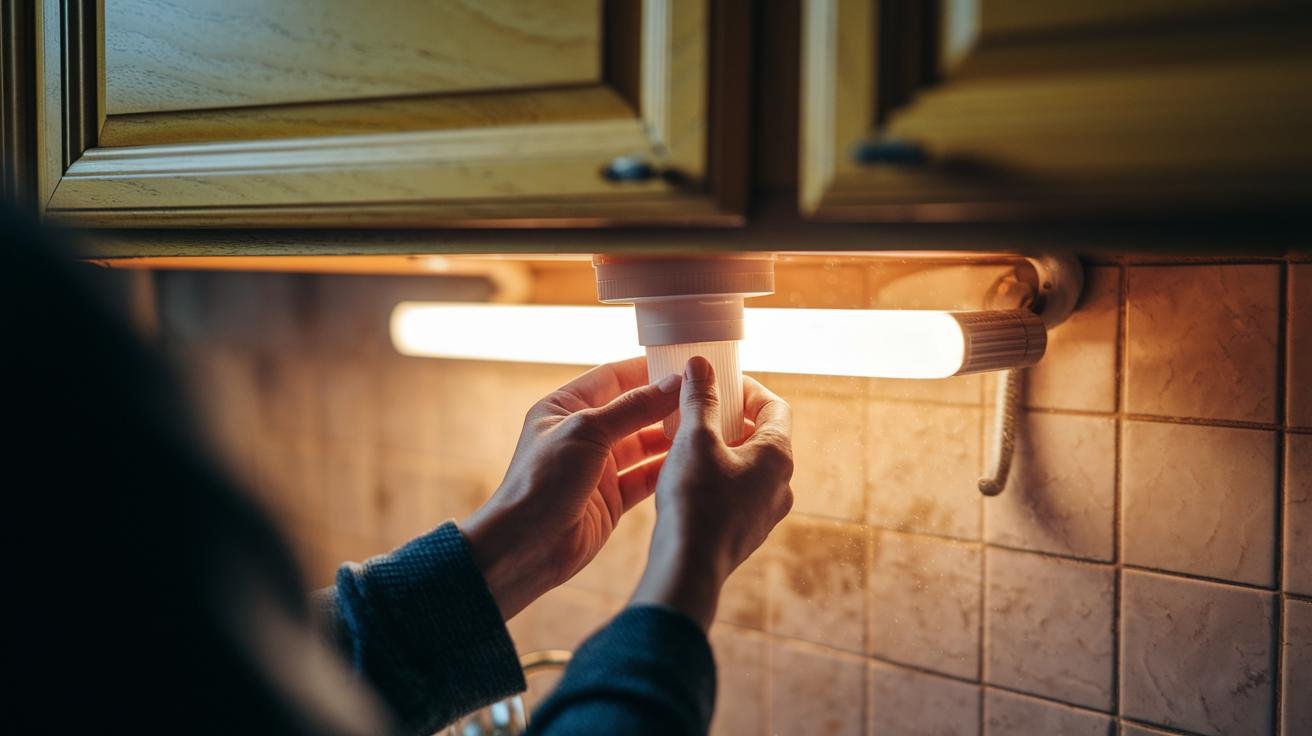
You’ve got two basic ways to set these systems up: under-counter or countertop. Under-counter hides the unit under your sink and hooks straight to your plumbing for a clean look. Countertop kits sit on the counter and connect to a faucet or water line, easy to try first and move if you want.
Keep a simple filter schedule. Most filters need changing every 3–6 months, depending on how hard your water is and how much you use the system. Many brands offer replacement subscriptions so you don’t forget, and a visible filter-change reminder on the unit is a nice little lifesaver.
Watch the electrodes. These are the metal plates that help ionize the water (they split and rearrange minerals to change water properties). With regular auto-flush cycles (the unit rinses itself) and soft-water use, electrodes often last 5–7 years. Check for an electrode lifespan guide from the maker so you know when performance might dip and what replacement costs look like.
Support really matters. Good manufacturers offer maintenance plans, warranty extensions, and a customer-support hotline. Need help with the hookup? Professional installation can speed things up and help avoid leaks.
Quick troubleshooting tips: monitor TDS (total dissolved solids) , if it jumps, start by checking the filters. Descale when you see scale buildup (that chalky stuff). And if the touchscreen or display acts up, try rebooting or updating firmware. When you call support, have your model number and last filter-change dates handy, saves time, trust me.
Final Words
Right in the action, we've put bottled waters and home ionizers side-by-side, checked pH and hydrogen potential, walked through filtration and electrolysis details, and weighed pros, costs, certifications, and upkeep. The quick table makes it easy to scan pH ranges, sources, and price.
Pick what fits your budget and routine. Home ionizers tend to give more molecular hydrogen and lower long-term cost per gallon, while bottles win on simple portability. Go with the alkaline ionized water brands that match your recovery goals and enjoy a crisper, more hydrated post-workout sip.
FAQ
What are the top alkaline ionized water brands?
The top alkaline ionized water brands include Essentia, Smartwater Alkaline, Icelandic Glacial, Flow, Evamor, Alkaline88, AQUAhydrate, Qure, 365 by Whole Foods, and Path.
Is Essentia alkaline water a good choice?
Essentia alkaline water is a popular choice with pH 9.5+, made by reverse-osmosis plus ionization and sold in BPA-free plastic; it tastes smooth but bottled water loses long-lived dissolved hydrogen.
Which alkaline water brands should I avoid?
Brands to avoid are those that omit pH labels, lack lab reports, hide their source, or use cheap single-use plastic, since they often have inconsistent claims and higher microplastic risk.
What is the best ionized alkaline water?
The best ionized alkaline water comes from home electrolysis systems like Kangen or Tyent, which produce higher molecular hydrogen and adjustable pH for stronger antioxidant potential than most bottled options.
Can alkaline water reduce creatinine?
Alkaline water reducing creatinine is not proven; current evidence is limited and inconsistent, so talk with your healthcare provider before using it for kidney concerns.
Can I use alkaline distilled water in my CPAP?
Using alkaline or mineral-added water in a CPAP is not recommended; manufacturers advise plain distilled water to prevent mineral buildup, device damage, and possible warranty issues.
Is alkaline water good for Barrett’s esophagus?
Alkaline water for Barrett’s esophagus lacks strong clinical support; some people report reflux relief, but check with your gastroenterologist for personalized medical advice.