Best Beauty Water Settings For Sensitive Skin Relief
Hot water feels soothing, but it can actually make sensitive skin worse. Ever notice your face getting red or tight after a hot shower? Hmm, me too.
Set your Beauty Water to neutral or just slightly acidic, pH 6.8 to 7.2 (pH is how acidic or alkaline something is). Keep the water lukewarm, about 92 to 98°F. That warm, gentle rinse lifts dirt without stripping natural oils or yanking moisture from your skin barrier.
Soft, slightly acidic water helps serums and moisturizers sink in, and it often cuts redness and that tight, uncomfortable feeling. Try these settings for a week and you’ll probably notice calmer, less reactive skin.
Best Beauty Water Settings For Sensitive Skin Relief
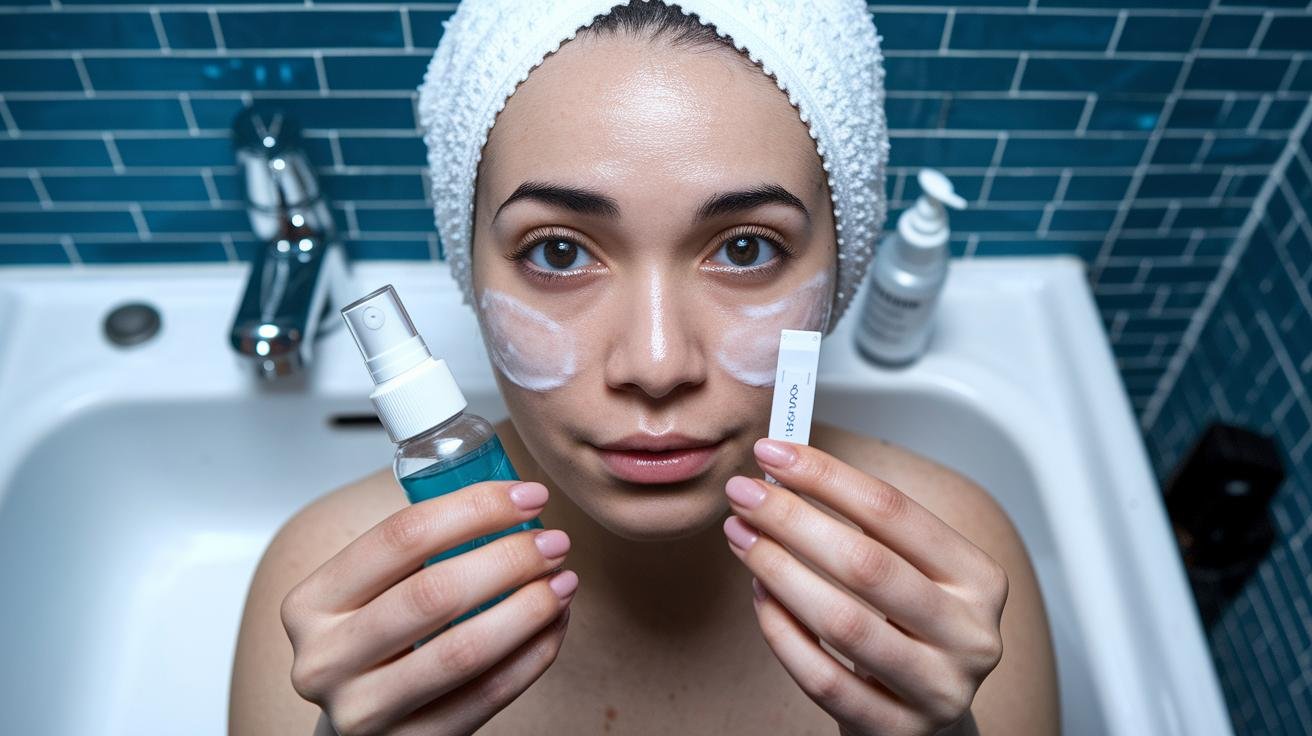
Set your Beauty Water to neutral or just slightly acidic pH (6.8 to 7.2; pH is how acidic or alkaline something is) and keep the temperature lukewarm, about 92 to 98°F.
Hot water and very alkaline water can strip your skin’s natural oils and damage the moisture barrier. Hot water opens the skin too much and pulls moisture out. Very alkaline water can leave skin feeling tight and reactive. Ouch.
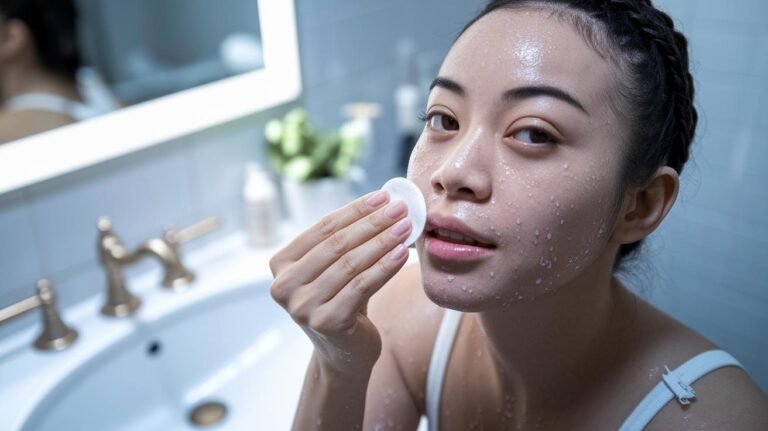
Lukewarm water is the sweet spot for sensitive skin. It rinses away dirt and oil without stealing your natural hydration, so cleansers work better and you don’t get that tight, scratchy finish. Ever notice your skin feels calmer after a warm, gentle rinse? Yep.
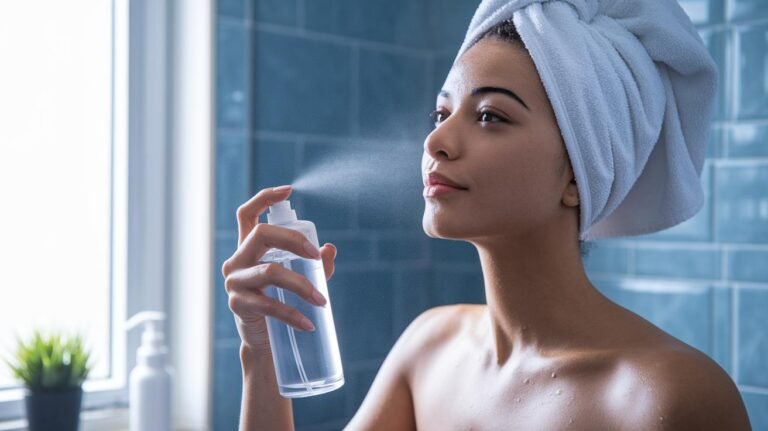
Thinking about facial mists? Aim for that same lukewarm range when spraying. Hot water over 100°F can cause redness and flushing and make inflammation worse. Cold water soothes and is great for calming redness or a quick cooldown, but it can feel shocking and might not rinse cleansers as well. A gentle routine: wash or mist with lukewarm, then finish with a cool splash or brief cool mist if you like. Pure relief.
Pick a spray pH close to your skin’s natural level, which is slightly acidic. A setting around 6.8 to 7.2 helps keep the barrier intact and lets serums and moisturizers absorb better. Try a setting, test it for a few days, and tweak it a little if your skin reacts. Gentle wins.
Beauty Water Filtration and Softening Settings for Sensitive Skin
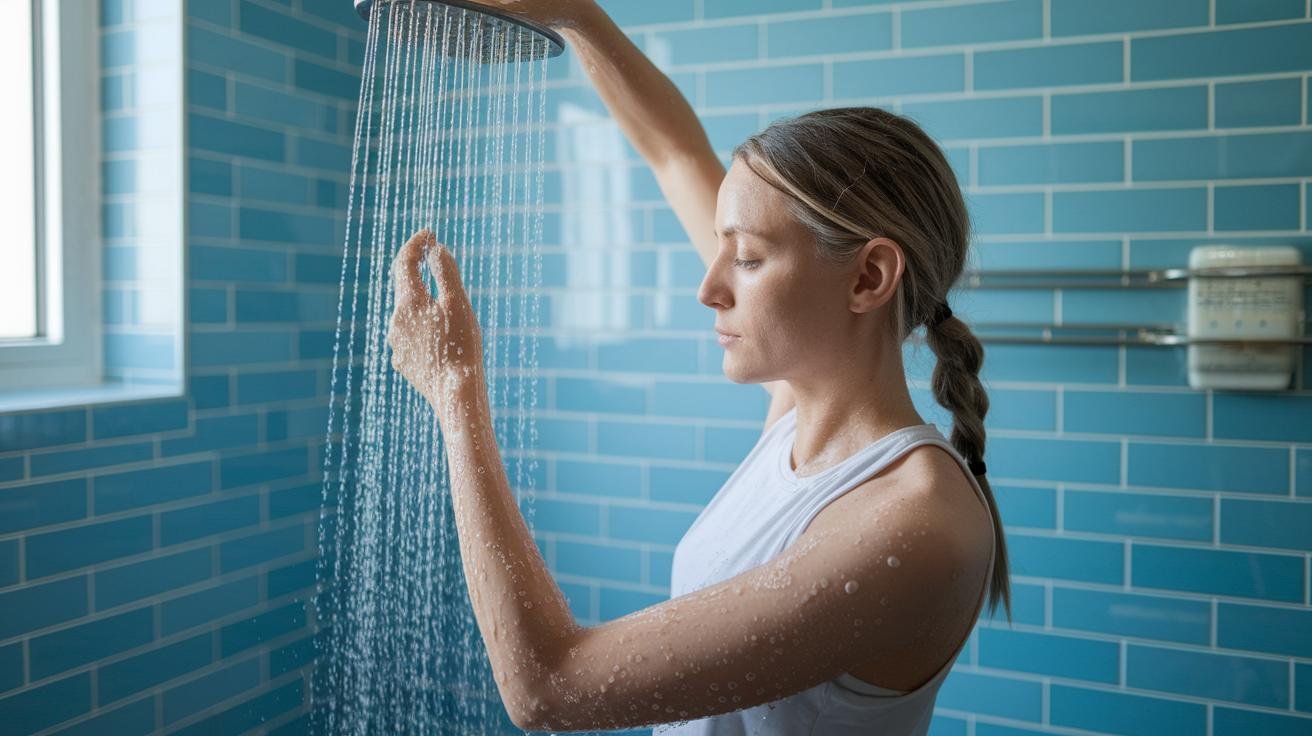
Hard water, high in calcium and magnesium, can strip your skin’s natural oils and leave mineral residue that feels dry and itchy. Soft water, with fewer minerals, feels silkier on your skin, stops soap scum, and helps cleansers and moisturizers actually work. Filtered or softened water usually wins over tap water for calmer, less reactive skin.
Ever noticed your skin feel tight after a shower? That’s often the minerals. Look for shower filters that cut chlorine and heavy metals, or consider a whole-house softener that lowers hardness to under 17 ppm (parts per million). That level helps keep skin moist and reduces flakiness.
Here’s how the tech works, in plain talk. Ion exchange (tiny resin beads that swap hard minerals for softer ones during regeneration) lowers calcium and magnesium. Shower filters often use activated carbon (charcoal-like material that grabs chlorine) or KDF media (a metal-based filter that reduces chlorine and some heavy metals). If you’re using an ionizer or cartridges built into a beauty water device, learn how to use beauty water from an ionizer so you get both pH control (how acidic or alkaline something is) and cleaner feed water. Salt-based softeners keep working well because they regenerate the resin beads with brine, so performance stays steady.
Pairing softened shower water with a pH-balanced facial spray gives you two benefits: fewer harsh minerals and water that matches your skin’s needs. Try soft water plus a slightly acidic spray (that helps restore the skin barrier) and tweak the settings until your skin feels calm, hydrated, and less reactive.
Think of it like making a smoothie: first soften the water, then add the right pH spray, and finally enjoy the smooth result on your face. Small change, big comfort.
Beauty Water Spray Pressure and Misting Settings for Sensitive Skin
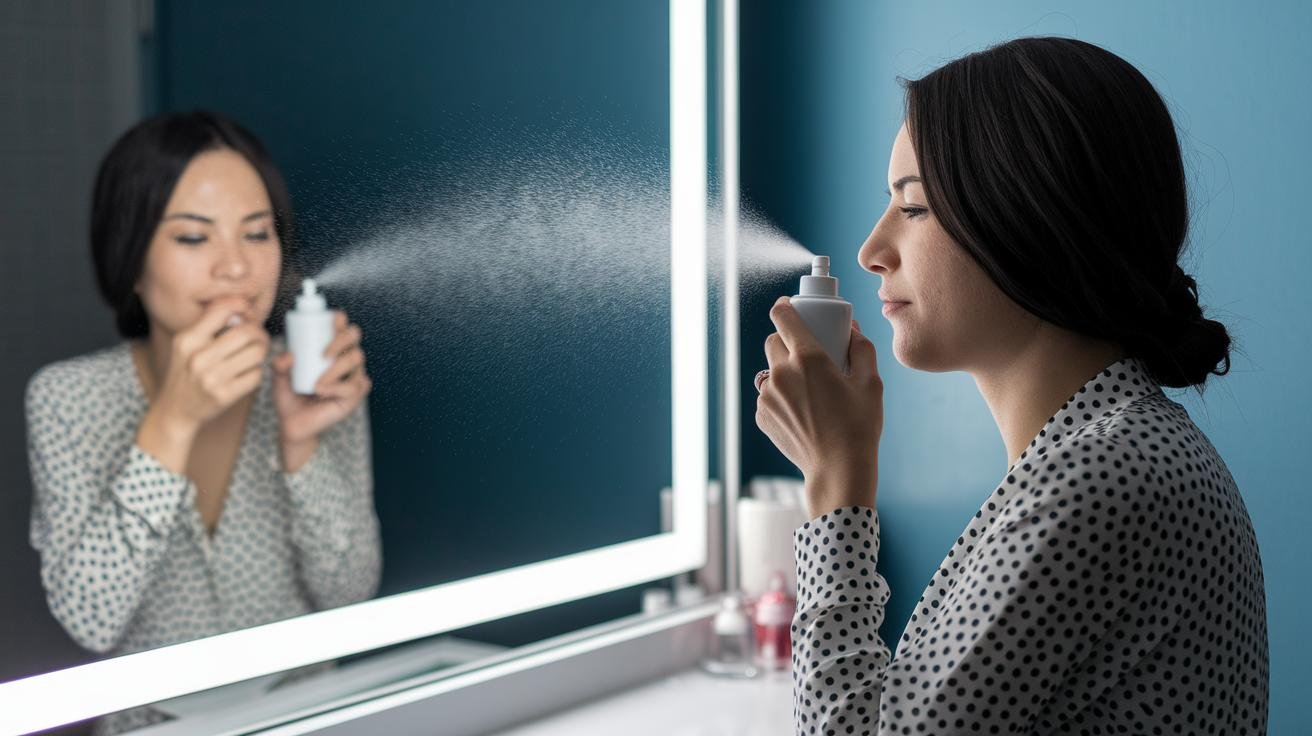
Ever notice a facial mist feeling like tiny pinpricks? High-pressure sprays can do that on delicate skin and make irritation worse.
Keep the mist gentle and lukewarm, about 92°F, so it soothes instead of shocking your face. Think of a soft touch, not a blast.
Smaller droplets, under 50 micrometers (µm), land more softly and cut down mechanical stress. Imagine a soft cloud instead of a spray gun. Soft.
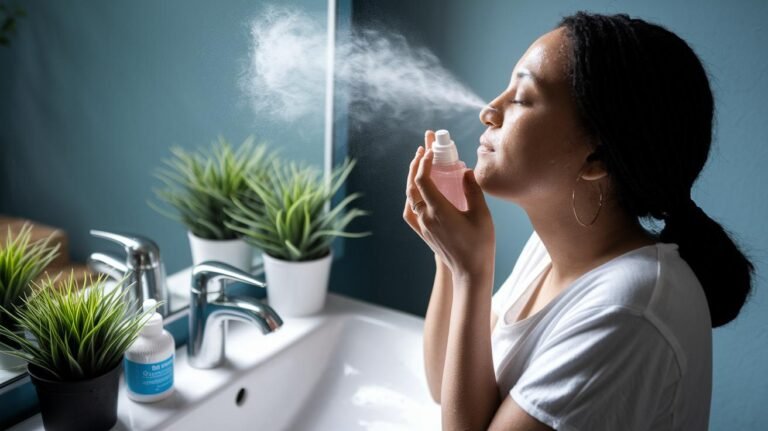
Handheld facial misters and ultrasonic humidifiers are great picks because they make an ultra-fine mist and usually have low-pressure modes (ultrasonic units vibrate water into the mist). That fine mist helps serums and light moisturizers absorb better, and it won’t push skin oils around or force water into pores.
Short mist bursts work best for steady hydration: 3 to 5 seconds per burst, 2 to 4 times a day, holding the device 6 to 8 inches from your face. Keeps things light and prevents over-wetting so products don’t slide off and your skin has time to drink it in.
Close your eyes, breathe easy, and give your skin a minute between bursts. I found my skin felt calmer after switching to this routine. Simple routine. Big comfort.
Safety and Patch-Testing Tips for Beauty Water Settings on Sensitive Skin
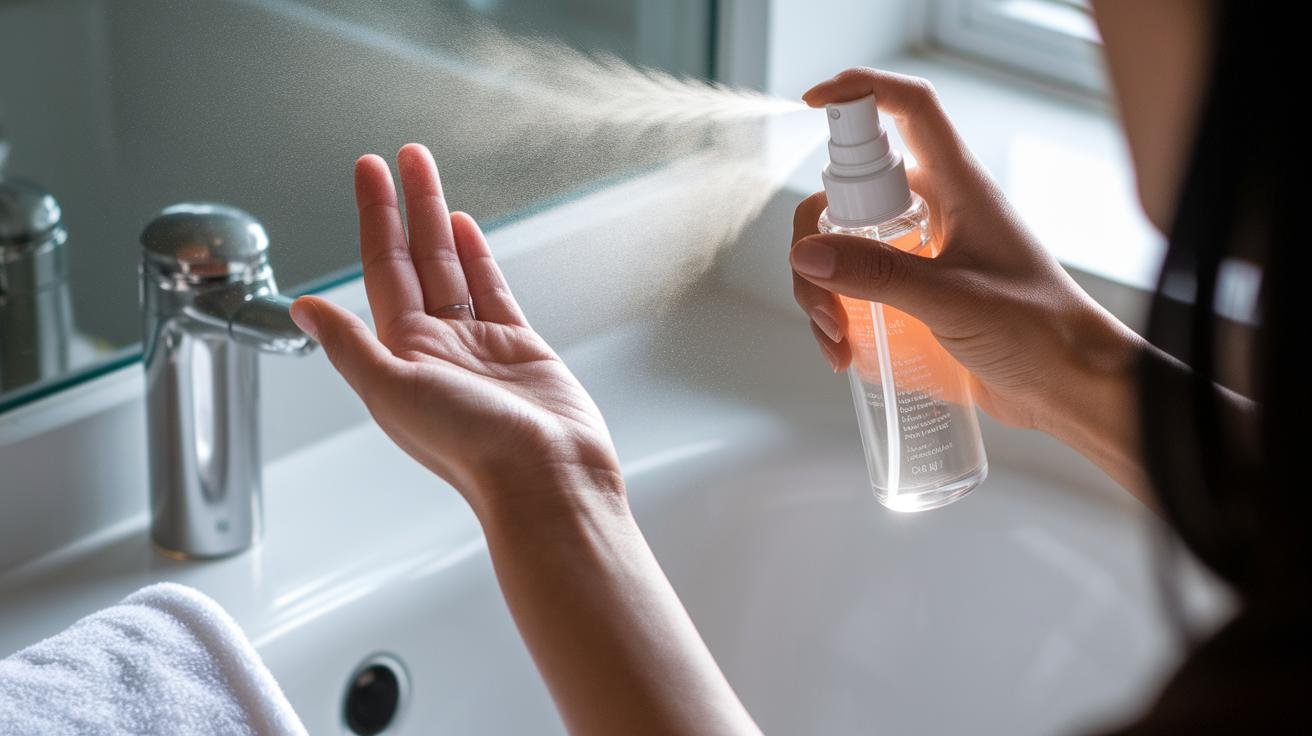
Sensitive skin can flare up into redness, stinging, or tightness when it meets hard water, very hot sprays, or water with the wrong pH (pH means how acidic or alkaline something is). Even small changes in temperature, pressure, or acidity can turn a calm face into an irritated one. Ever noticed that midday sting after a hot shower? Yeah, that.
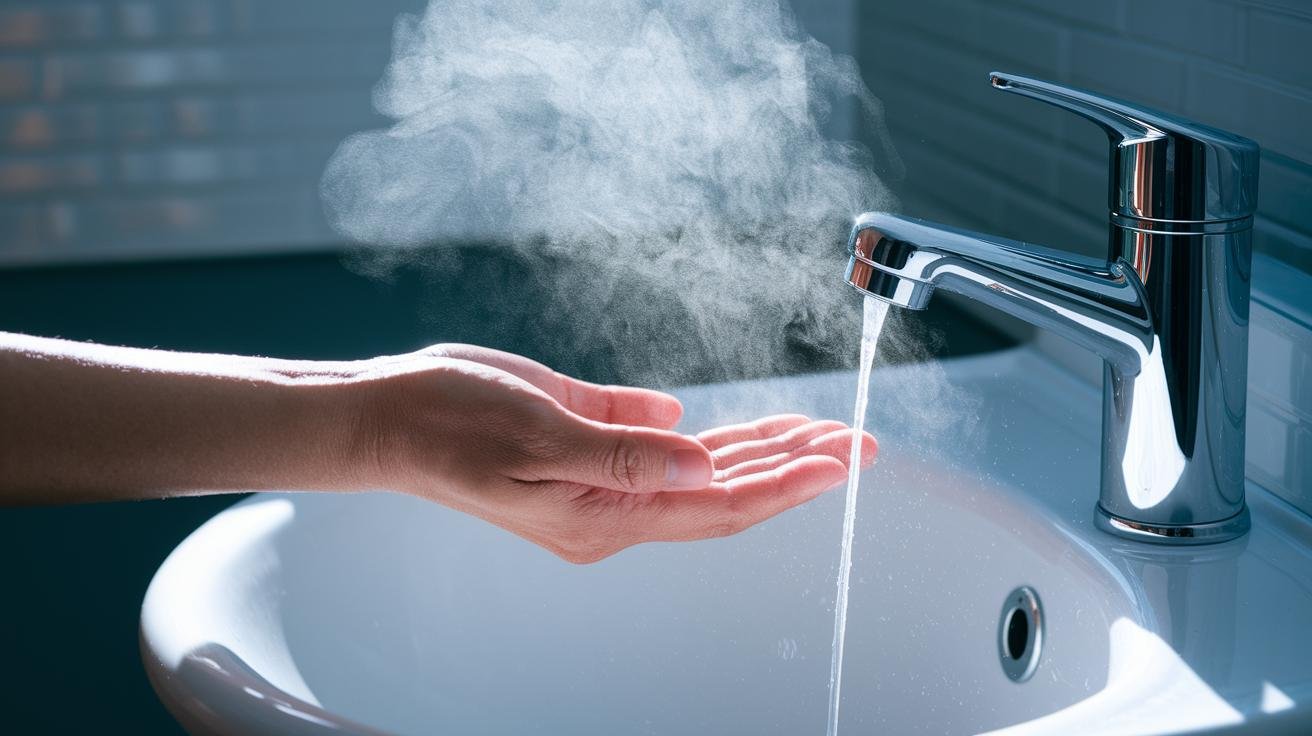
Start simple. Set your device to neutral or slightly acidic for face wash, about 6.8 to 7.2 on the pH scale. Use lukewarm water. The ideal range for sensitive skin is 92 to 98°F, and facial mists work best near 92°F. A crisp, cool mist is nice, but don't go too hot.
Do a patch test first. Spray or splash a 3 to 5 second mist on the inner wrist or behind the ear. Keep the area uncovered and watch it for 24 hours for redness, stinging, or dryness. Use very low spray pressure and hold the device 6 to 8 inches away when you try it on your face. You might feel a faint tingle. That's okay. If it burns, stop.
After washing or misting, pat gently with a soft towel instead of rubbing to protect the moisture barrier. If you see irritation, lower the temperature, shorten the mist bursts, or move the pH slightly more acidic and test again. Wait a full day between changes so you can tell what caused it. And if you get severe swelling or persistent burning, stop using it and check with a dermatologist.
Honest answers, weekly
The research, without the sales pitch
One short email a week: what a study actually found, what it didn't, and what's worth your attention. No spam. Unsubscribe anytime.
Top Beauty Water Devices and Presets for Sensitive Skin
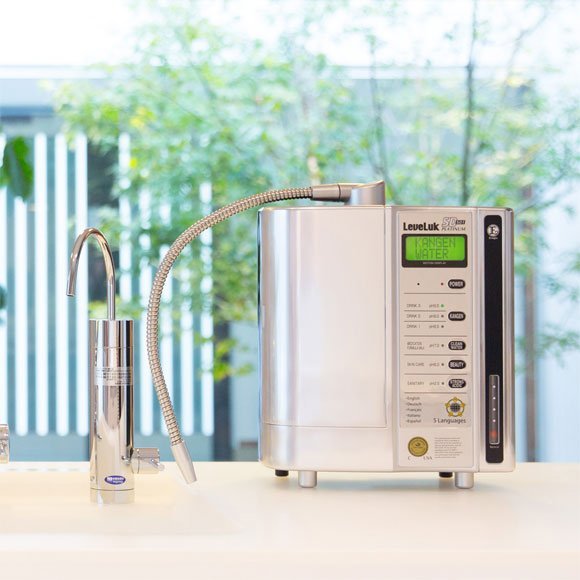
Pick devices that let you set pH (how acidic or alkaline something is), include filters or softening cartridges, and allow you to change temperature and mist pressure. Ionizers with mild pH options and softening cartridges that reduce chlorine and heavy metals can cut down on flare-ups and help serums sink in. Think cool, fine mist that soothes, pure refreshment.
Hmm. Look for ultrasonic or gentle mist modes and simple controls so you’re not guessing.
| Device | pH Presets (how acidic or alkaline) | Temperature Presets (°F) | Pressure / Mist Modes | Filtration / Softening |
|---|---|---|---|---|
| AquaMist Ionizer Pro | 6.8, 7.2, 8.0 | 92°F, 98°F | Gentle mist / Low pulse | Carbon + softening cartridge |
| SilkSkin Softener+ | 6.6, 7.0 | 90–96°F | Ultra-fine mist & spray | Salt-based softener option |
| PureMist Portable Ionizer | 6.8, 7.4 | Ambient / 92°F | Ultrasonic fine mist | Mini carbon filter + KDF (reduces metals) |
| HomeSpa Shower Ionizer | 6.8–8.0 | 92–100°F (adjustable) | Low, medium shower modes | Whole-house softener compatibility |
Pair any of these with lightweight, water-based serums and moisturizers so products absorb instead of sitting on top. Start with mild settings, then change only one thing at a time so you can tell what your skin really likes. I once switched two settings at once and got no idea which one helped, don’t do that, um.
For daily routines and product pairings, see beauty water skincare routine.
Final Words
Set your beauty-water device to neutral or slightly acidic pH (6.8–7.2) and lukewarm temperature (92–98°F) for sensitive skin.
We covered filtration and softening to cut hard minerals, gentle mist pressures with small droplets, and simple patch testing before full-face use.
Hot water strips natural oils and can inflame. Cool water soothes redness but may not cleanse well. Lukewarm gives balance.
Try the best beauty water settings for sensitive skin, test a small patch, and enjoy calmer, hydrated skin after workouts.
FAQ
FAQ
Best beauty water settings for sensitive skin reddit / Best beauty water settings for sensitive skin dermatologist
The best beauty water settings for sensitive skin are neutral or slightly acidic pH (how acidic or alkaline something is) 6.8–7.2, lukewarm 92–98°F, soft water, and a low, fine mist pressure.
What water is best for sensitive skin?
The best water for sensitive skin is filtered, softened, low-mineral water with neutral to slightly acidic pH (how acidic or alkaline something is) 6.8–7.2 and lukewarm temperature to protect the skin’s moisture barrier.
Which micellar water is good for sensitive skin?
Micellar water good for sensitive skin is fragrance-free, alcohol-free, with gentle surfactants and micelles (tiny oil-attracting molecules); pick formulas with glycerin or panthenol and patch-test a small area first.
What is the 4 2 4 rule in skincare and what is the 3 minute moisturizer rule?
The 4-2-4 rule in skincare isn’t a universal guideline; people use it as a simple layering or timing tip. The 3-minute moisturizer rule says apply moisturizer within three minutes after washing to lock in hydration.
Before you go
Get the next honest answer by email
We'd rather tell you when the answer is no. One email a week, written the same way as this post.