Cleaning Mold With Vinegar Safe And Effective
Think bleach is the only way to kill mold? You don’t need it for small patches.
Use plain white distilled vinegar, undiluted. Look for about 5–6% acetic acid (the acid in vinegar that helps break down mold). It smells sharp, so open a window.
Spray the vinegar on the mold, wait an hour, then scrub gently with a brush or sponge. Rinse, dry thoroughly, and you’ll often see the stain lift away. Simple.
It’s safe, easy on the wallet, and usually effective when you follow the steps. I once cleared a little shower corner this way, no harsh fumes, just a clean surface.
If mold covers more than about 10 square feet or keeps coming back, call a professional. Ever noticed it returning no matter what you try? That’s a sign to get help.
DIY Guide: Cleaning Mold Effectively with Vinegar
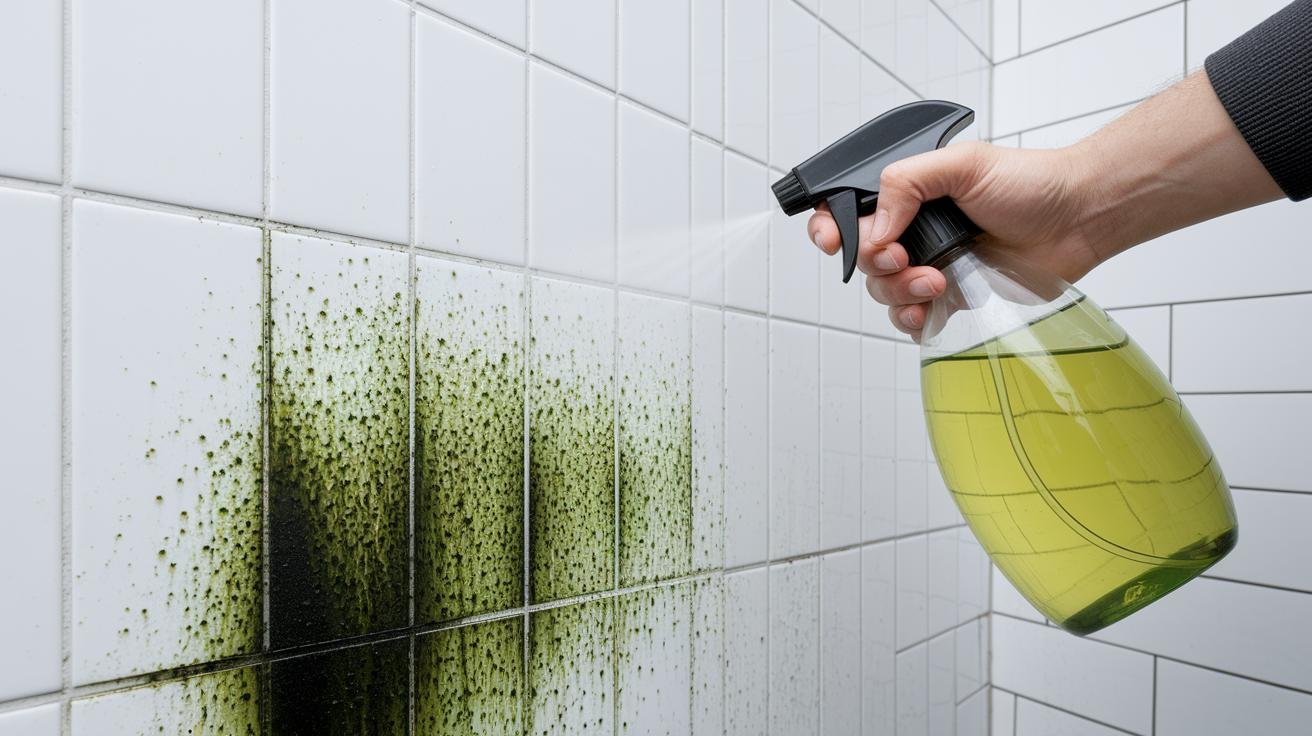
Got a small patch of mold? Vinegar is a simple, low-tox way to tackle it. Use undiluted distilled white vinegar (about 5%–6% acetic acid (the acid in vinegar that breaks down mold)) in a spray bottle. Don’t dilute it. Open a window or run a fan so the area stays well ventilated.
-
Spray vinegar on mold
Spritz the area until it’s damp but not dripping. Cover the whole patch and the edges where spores like to hide. -
Wait 60 minutes
Let the vinegar sit for at least one hour so it soaks in and weakens the mold membrane. This gives it time to do its job. -
Scrub the area
Use a stiff brush for tile or grout, and a softer sponge for drywall or painted surfaces. For porous materials (things that soak up water like drywall or wood), scrub gently so you don’t damage them. Hmm. if the mold has roots deep in porous stuff, vinegar might not remove everything. -
Rinse with water
Wipe with a sponge dampened in warm water. Rinse the sponge often and work top to bottom on walls. On porous surfaces keep the sponge just damp so you don’t oversaturate the material. -
Dry completely
Air-dry or use fans to speed things up. Make sure the area is bone dry, mold loves lingering moisture.
Quick tips and safety
- Test first in a small hidden spot to make sure the vinegar won’t harm paint or finish.
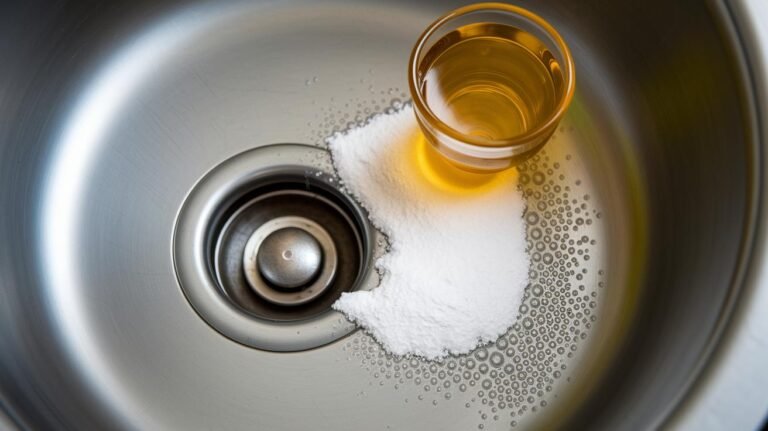
- If stains remain, repeat the vinegar treatment or follow with a baking soda scrub (baking soda is sodium bicarbonate).
- Wear gloves and a mask while you work, and keep the room ventilated to avoid inhaling spores.
- The vinegar smell fades in a few hours. Spray once more after cleaning and let the spot air-dry to help prevent regrowth.
- If the mold covers more than about 10 square feet (roughly 3 by 3 feet) or keeps coming back, call a professional, serious infestations need expert help.
Cleaning Mold With Vinegar Safe And Effective
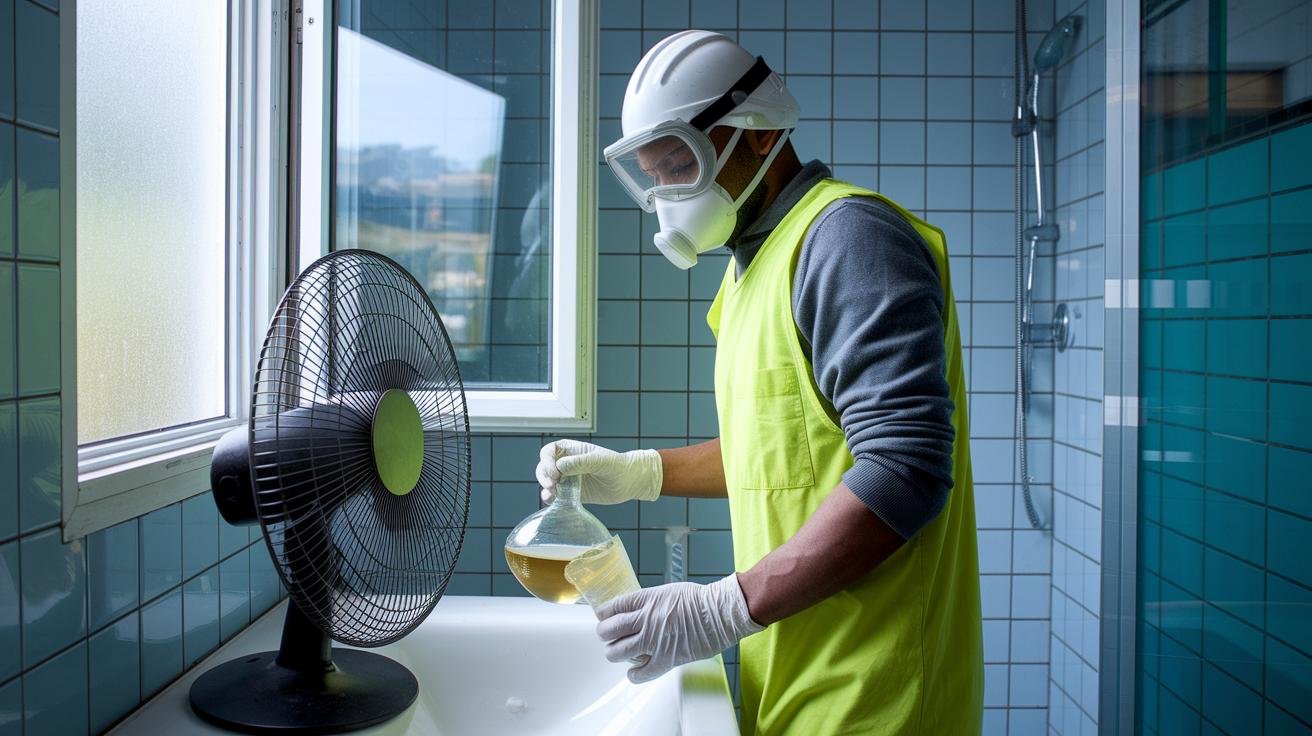
First things first. Gear up before you touch a single spot of mold. Mold spores can irritate your eyes, nose, throat, and lungs. Vinegar fumes can sting your nose too. Don’t skip the gear.
Gear checklist:
- N-95 mask (N-95 filters tiny particles, including mold spores)
- Chemical-resistant gloves (for scrubbing with vinegar)
- Safety goggles (protect your eyes from spores and vinegar)
- Long sleeves and pants or disposable coveralls you can wash or toss
- Sturdy shoes you can clean afterward
- Small bottle of clean water for eye flushing (just in case)
Keep kids and pets out of the area. Don’t let them wander through while you’re cleaning.
Set up airflow before you spray any vinegar. Open windows and doors. Run bathroom or kitchen exhaust fans to pull air toward the outside. Place a box fan in a window to blow air out so spores move away from where you’re breathing. But don’t point a fan so it blows mold into other rooms.
Turn off central heating and air, or close vents (HVAC means your heating and air system) so spores don’t get pushed through the ducts. A HEPA air purifier (HEPA means High Efficiency Particulate Air) nearby helps capture stray spores and dust.
If the vinegar smell makes your head swim, step outside for a few minutes and come back when you feel clear-headed. Take short breaks. Breathe fresh air. Simple.
Don’t touch mold with bare hands. And don’t rub your face while you work. Wash up and clean your shoes and clothes when you’re done. Careful.
Choosing the Right Vinegar and Concentration for Mold Treatment
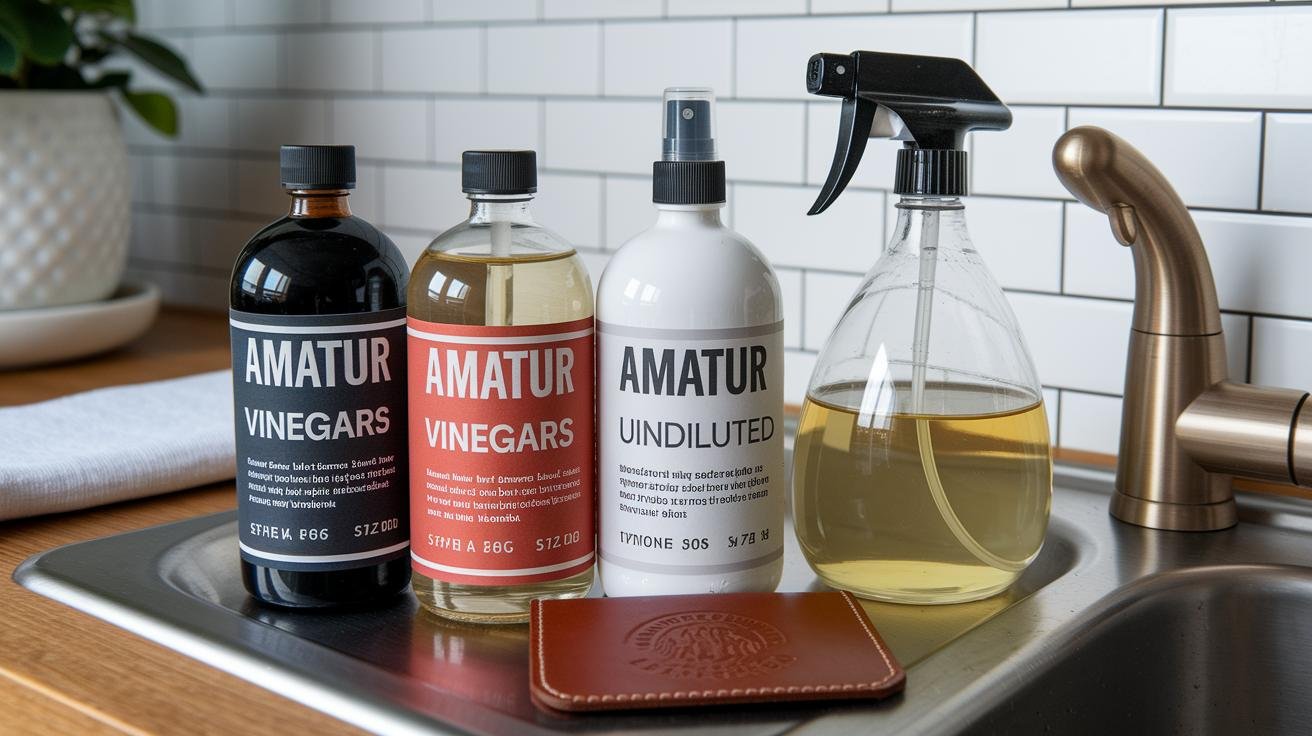
For most home mold jobs, distilled white vinegar is your go-to. It usually has about 5% acetic acid (the part of vinegar that kills mold). Use it undiluted so the acid can soak in and weaken mold membranes. Spray until the surface is damp, let it sit, and don’t scrub too hard on delicate finishes. You’ll notice a sharp vinegar scent. Ever tried that and felt a little dizzy? Open a window.
Cleaning vinegar is a bit stronger, about 6% acetic acid, so it has more bite. That makes it better for tougher patches or slightly bigger spots, um, when plain white vinegar won’t cut it. The trade-off is a sharper smell and more risk of damage, so use it with good ventilation and a cautious hand.
For sensitive materials, think leather, finished hardwood, or painted trim, dilute vinegar half-and-half (1:1) and test in a hidden spot first. Porous items like carpets or waterlogged drywall often need other approaches, maybe professional mold remediation. Metals and natural stone can react badly to acids, so skip vinegar on those and try a pH-neutral cleaner or follow the manufacturer’s advice. When in doubt, test first or call a pro.
Cleaning Mold With Vinegar Safe And Effective
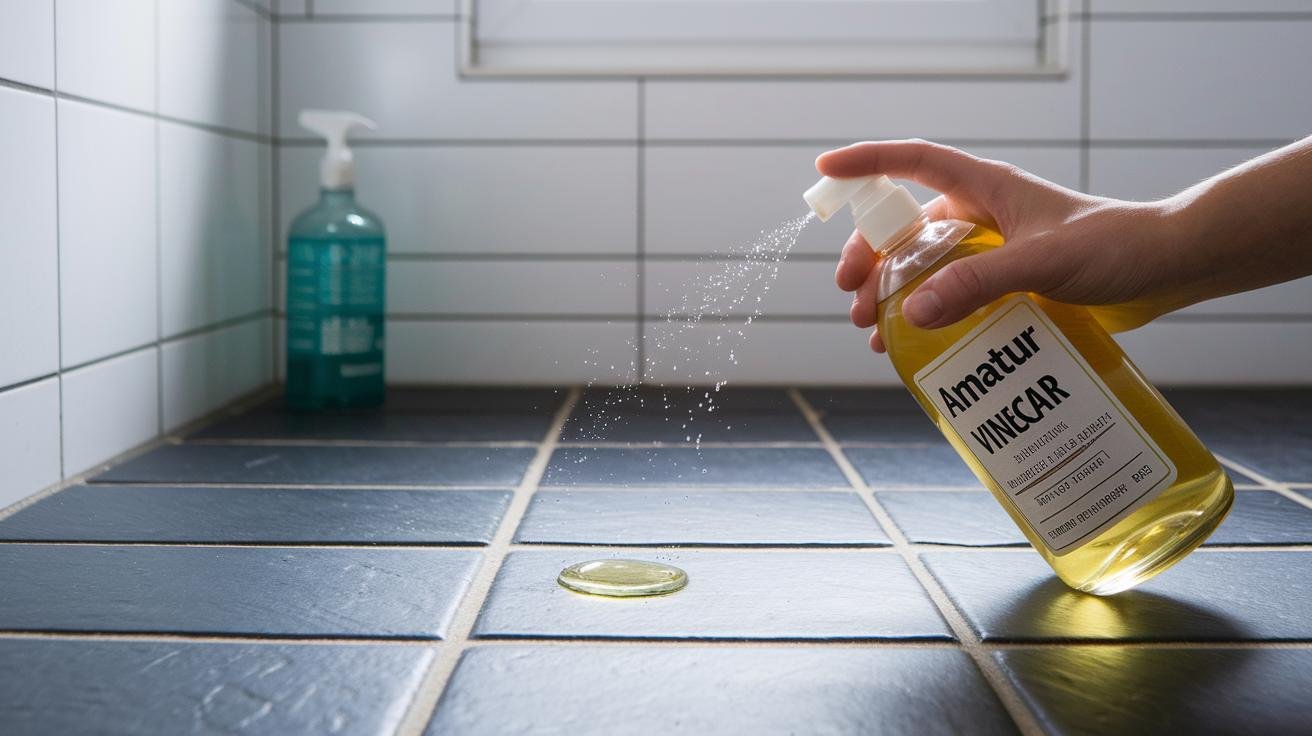
Match your cleanup to the surface so you kill mold without wrecking finishes or making a bigger mess. Ever started scrubbing and realized you made the spot worse? Yeah, don’t do that.
Non-Porous Surfaces
Non-porous (hard, sealed surfaces that don’t absorb water or spores) like tile, glass, glazed ceramic, and sealed countertops take vinegar well. The sharp vinegar smell is normal. Use a firmer brush or a scouring pad on grout lines and caulk edges to lift dead mold. Scrub, rinse, repeat, but don’t overdo it. Too much abrasion wears grout away.
If grout stains won’t budge, do a stain-lifting rinse after the vinegar step instead of scrubbing forever. Caulk with deep, embedded mold usually needs to be replaced; surface cleaning can hide the problem but won’t pull mold roots out of the sealant. Work in small sections so you can rinse and dry each area before moving on. That keeps loosened spores from drifting onto clean surfaces.
Porous Surfaces
Porous (materials that soak up water and spores) like drywall, raw wood, and many painted surfaces need a gentler touch. Blot and dab, don’t saturate, and use a soft brush or sponge. If the mold is only on the painted film, light cleaning can help. But if you see discoloration or soft patches, it likely sank in. Patching or replacing that section is usually the safer bet.
Finished wood can lose its coating if you’re heavy-handed. Test a hidden spot first. If the finish dulls, stop and think about sanding and refinishing after you remove the mold. Concrete can hide mold deep in its pores; vinegar may brighten surface growth but won’t reach deep colonies. Mechanical scrubbing or a specialized cleaner might be necessary.
Surfaces to Avoid
Don’t use vinegar on natural stone like marble or granite, acid eats the polish and leaves etch marks. Metals such as copper, aluminum, and some stainless steels can corrode. High-porosity items, carpets, ceiling tiles, and some fabrics, often hold mold too deep for home treatment and may need professional cleaning or replacement.
When a surface risks permanent damage, pause and test a hidden spot, or call a pro. You’ll save time and avoid swapping one problem for another. And wear gloves and keep the area ventilated while you work.
Honest answers, weekly
The research, without the sales pitch
One short email a week: what a study actually found, what it didn't, and what's worth your attention. No spam. Unsubscribe anytime.
Boosting Mold Removal with Baking Soda and Oxygen Bleach Follow-Up
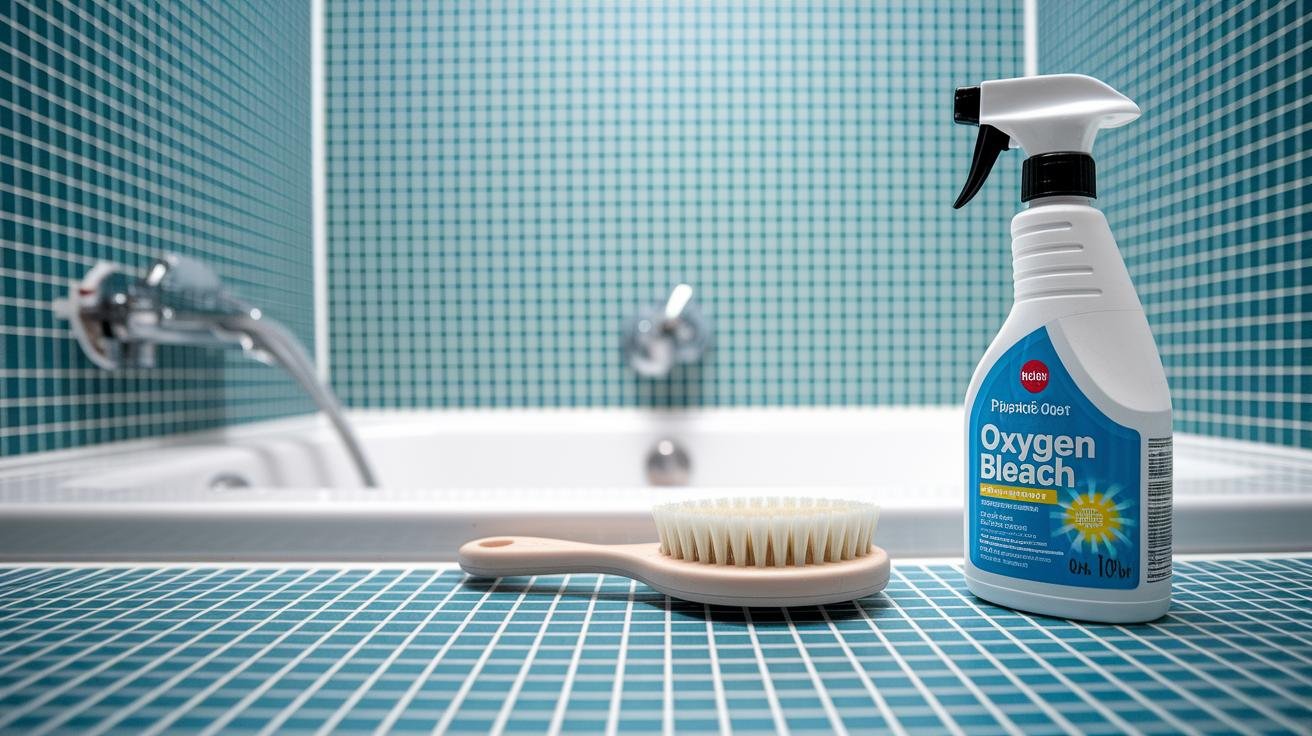
Start with a gentle follow-up that really helps lift the mess. Mix 1 teaspoon baking soda (sodium bicarbonate, a mild abrasive) into 2 cups of water in a spray bottle. Shake until it dissolves, then mist the treated area. The fine, gritty action helps loosen dead mold and spores so a brush can sweep them away.
Scrub with a brush or scouring pad that matches the surface. Rinse with warm water and let the area air-dry. Pure refreshment.
For tougher, set-in stains, try oxygen bleach powder (an oxygen-based cleaner that breaks up stains without chlorine fumes). Dissolve 1/2 cup of the powder in 2 quarts of warm water. Apply with a sponge or a nylon brush, let it sit about 30 minutes, then rinse. It fades stains well, but it’s mainly a stain remover, not a guaranteed spore killer. So pair it with one more step: spray plain white vinegar and let everything dry thoroughly.
Ever notice mold coming back in the same spot? Drying is key. Moisture invites regrowth.
Application tips:
- Test first: try any cleaner in a hidden spot to check for finish damage.
- Protect yourself: wear gloves and an N-95 mask (filters at least 95% of airborne particles) while scrubbing to keep spores and powder out of your skin and lungs.
- Match your tools: use a soft brush for painted or delicate surfaces; firmer brushes for grout and tile.
- Safety rule: never mix oxygen bleach with chlorine bleach or ammonia products.
- Final step: after rinsing, spray undiluted white vinegar once more and let the area air-dry to help stop regrowth.
Stay patient. Let solutions sit, rinse well, and make drying nonnegotiable. Your nose will thank you for fewer fumes, and your surfaces will look cleaner.
Preventing Mold Regrowth After Vinegar Cleaning
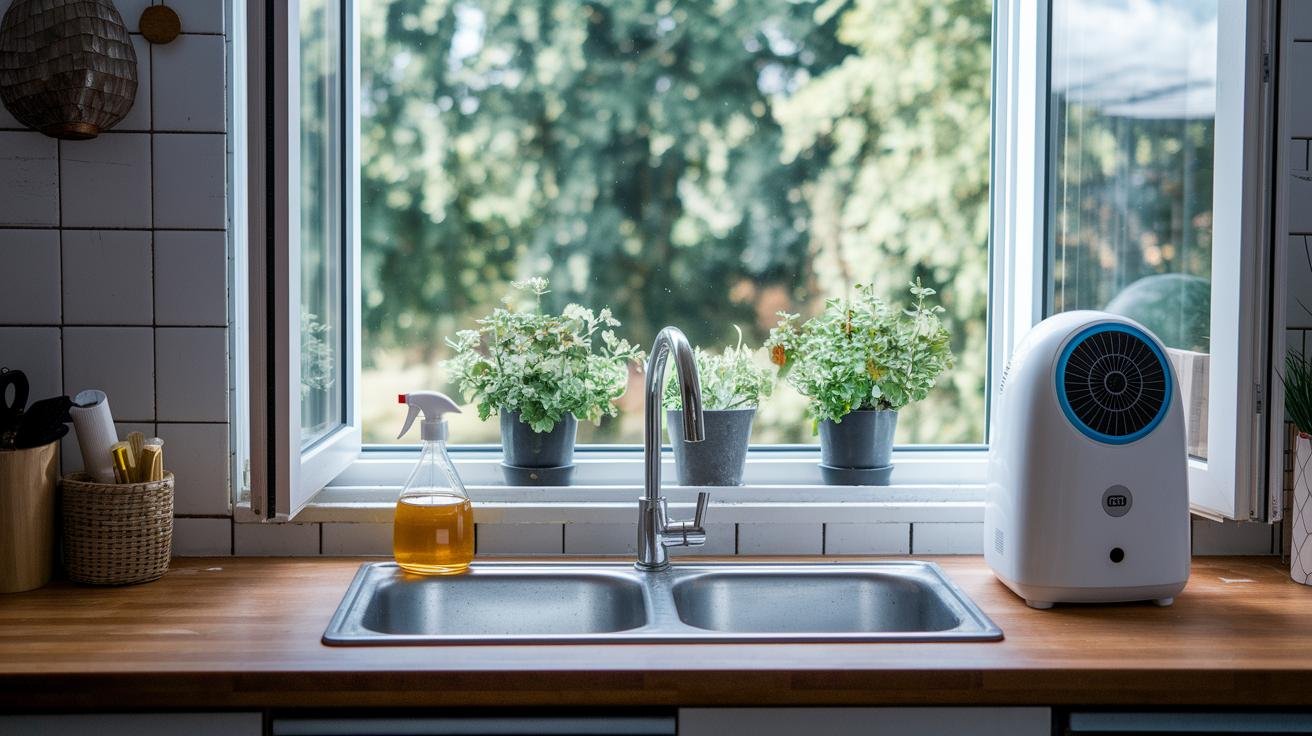
Want that spot to stay clean? Keep it dry and keep the air moving. Mold loves sitting where moisture gathers, so patch leaks fast and dry wet areas right away.
A tiny drip today can turn into a nasty mold patch next month. Ever noticed that musty smell in a corner? That’s usually moisture doing its work. So act early.
Keep indoor humidity under 50% with a dehumidifier or your HVAC’s dehumidify setting. Put a cheap hygrometer (it measures humidity) in rooms that give you trouble so you can see when levels climb. In bathrooms and kitchens run exhaust fans while you’re using them and for a bit after. Open a window when you can to let stale air out.
Small, weekly habits make a big difference:
- Fix plumbing, roof, and window leaks as soon as you spot them.
- Run dehumidifiers in basements or damp rooms; aim for under 50% humidity.
- Install a vapor or moisture barrier in crawl spaces and basement walls (think plastic sheeting).
- Use exhaust fans when showering or cooking, and crack a window afterward.
- Lightly mist mold-prone spots with undiluted vinegar once a week, then wipe and dry them so no moisture sticks around.
- Dry wet carpets and clothes fast; don’t air-dry laundry on racks in small, unventilated rooms.
Keep gutters clean and direct downspouts away from your foundation. Little things like that send water away from your house and make mold less likely.
Simple habits. Real results. I found I stopped seeing that stubborn dark spot after a week of consistent drying and a dehumidifier. Try it, you might notice the difference right away.
Knowing When Professional Mold Remediation Is Necessary
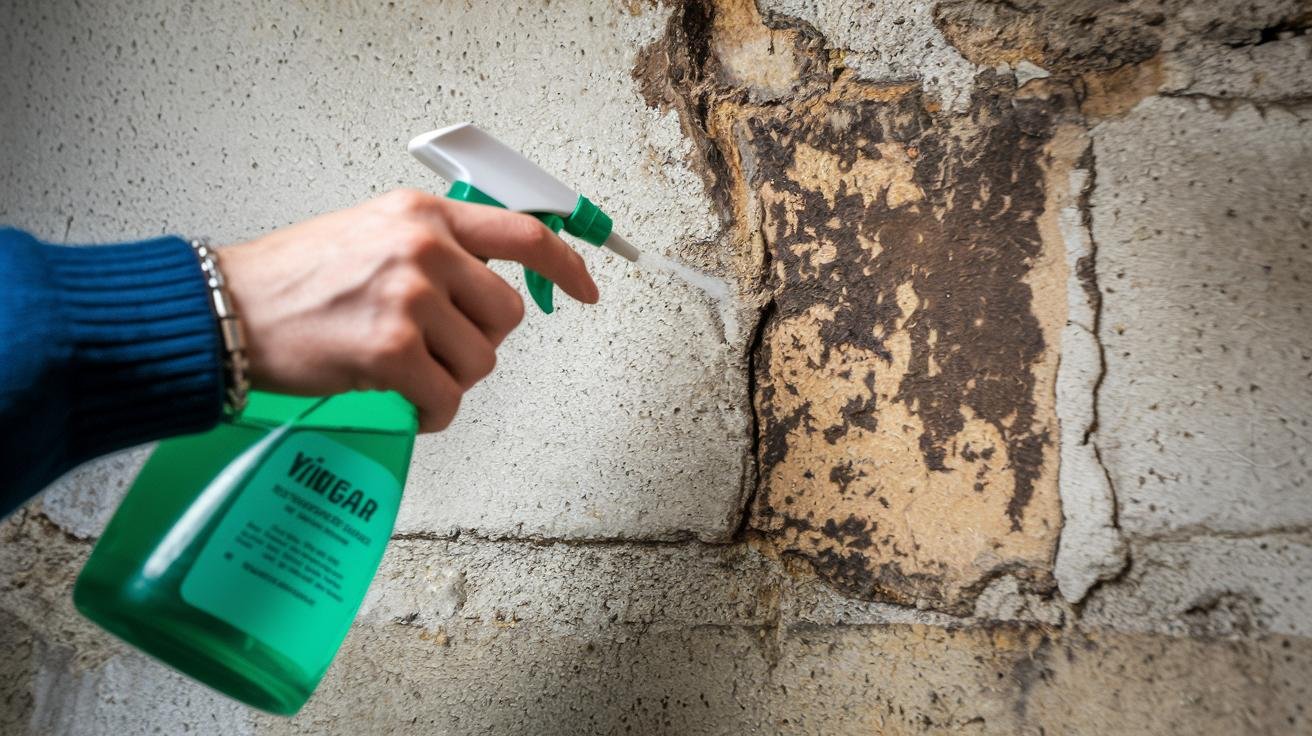
The EPA says you can handle small mold patches yourself, under 10 square feet (about 3 by 3 feet). Simple DIY methods like vinegar and careful scrubbing usually do the trick. Wear gloves and a mask, and use a damp cloth so spores don’t float around.
But if the area is bigger, or you spot mold in several places, it’s time to consider professional mold remediation services. Don’t keep scrubbing and hoping it goes away.
Ever notice mold that keeps coming back no matter how often you clean? That’s a sign you need an expert.
Look for these red flags that call for a pro:
- Mold hiding behind walls or above ceilings, often out of sight. You might only smell it at first.
- Growth inside HVAC systems (HVAC means heating, ventilation, and air conditioning) where spores can spread through the ducts.
- Mold that returns after repeated cleanings. Recurring is not normal.
- Widespread fuzzy patches in basements, where surface cleaning with vinegar won’t reach deep colonies.
- People in the home having strong reactions, like persistent coughing, nosebleeds, worsening asthma, or other breathing problems. If someone is getting sick, don’t wait.
- Structural damage, or a musty smell that seems to hang in rooms, or visible mold in hard-to-reach spots.
If you see any of these, call a licensed remediation team. They can test the situation, contain the area (that means stopping spores from spreading), remove the mold safely, and help fix any damage. It’s safer and usually cheaper in the long run than letting things get worse.
Got questions about what to tell a contractor? Ask someone who's been through it, or take photos and notes before they arrive. Small step. Big relief.
Final Words
Spray undiluted white vinegar on the mold, wait an hour, scrub, rinse with warm water, and dry.
Wear an N-95 mask, chemical-resistant gloves, goggles, and open windows for airflow. Use 5–6% white distilled vinegar; dilute 1:1 for delicate materials after a quick test. Match method to the surface and follow with a baking soda spray or oxygen bleach for tough stains.
If mold's over 10 square feet or hides in HVAC, call a licensed pro. Keep at it, cleaning mold with vinegar is a simple, practical way to keep your home fresher and healthier.
Ionized water and mould: being realistic
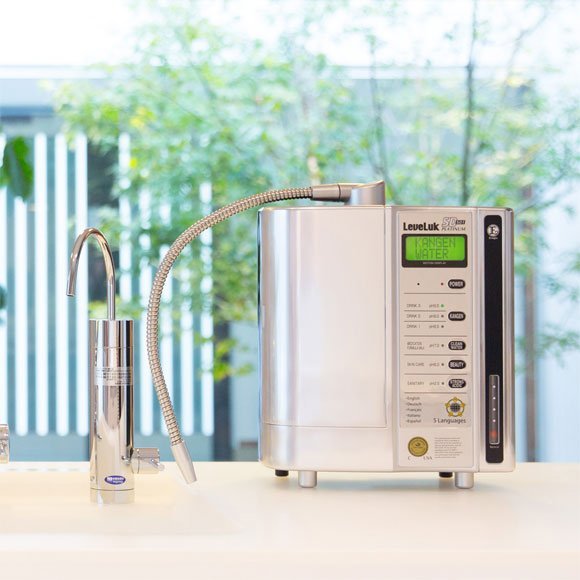
Mould is worth treating seriously, so here is the honest position. A water ionizer is not a mould treatment. Strong acidic water is not EPA-registered for mould remediation, porous materials that have been colonised usually need replacing rather than wiping, and a significant growth is a job for a remediation professional.
What an ionizer contributes is routine maintenance. Strong acidic water at around 2.5 pH is used for regular wipe-downs of hard surfaces in bathrooms, shower surrounds and window sills, and strong alkaline water at 11.0 pH handles the soap scum and body oil that give growth something to feed on.
In Hawaii the reliable levers are still ventilation and moisture control. Cleaning routine is the layer on top of that, and having the cleaning water on tap makes the routine easier to actually keep up. Come and see how it works if you are on O‘ahu.
FAQ
Does white vinegar kill mold?
White vinegar kills many mold species when used undiluted; distilled white vinegar (5–6% acetic acid) disrupts mold cells and helps reduce regrowth on many surfaces.
How long does it take vinegar to kill mold?
Vinegar needs at least one hour contact to kill most mold; black mold may need repeat treatments or longer contact, and leaving vinegar on overnight is fine for stubborn spots.
Do you dilute vinegar to kill mold?
You shouldn’t dilute vinegar for mold on hard surfaces—use undiluted 5–6% distilled white vinegar; for delicate materials, dilute 1:1 and test a hidden spot first.
Can I use baking soda or Dawn with vinegar to remove mold?
Using baking soda after vinegar helps lift spores and deodorize—mix 1 tsp with 2 cups water, spray, scrub, then rinse; Dawn plus vinegar isn’t necessary and can make excess suds.
Which kills mold better, bleach or vinegar, and what kills 100% of black mold?
Bleach removes surface stains, while vinegar penetrates and reduces regrowth for many species; no household product guarantees 100% black mold removal—hire a pro for large or hidden infestations.
How do I clean mold with vinegar step-by-step?
To clean mold with vinegar, spray undiluted white vinegar on mold, wait 60 minutes, scrub with a brush, rinse with warm water, then dry completely.
Is vinegar safe on different surfaces?
Vinegar works well on non-porous surfaces and gently on drywall; avoid hardwood finishes, natural stone, and certain metals—test a hidden spot before treating sensitive materials.
What safety gear and ventilation should I use when cleaning mold with vinegar?
Wear an N95 mask, chemical-resistant gloves, goggles, and old clothes; open windows and run exhaust fans to clear spores and vinegar fumes while you clean.
How can I boost mold removal and prevent regrowth after vinegar cleaning?
After vinegar, apply baking soda spray and scrub, or use oxygen bleach for stains; finish with a light vinegar spray, dry fully, and keep indoor humidity below 50%.
When should I call a professional for mold remediation?
Call a licensed mold remediation pro when mold covers more than 10 square feet, shows up in HVAC, or causes health symptoms; DIY is fine for small patches under EPA guidance.
Before you go
Get the next honest answer by email
We'd rather tell you when the answer is no. One email a week, written the same way as this post.