How Is Water Ionized Made Clear
Think water is just H2O? Not quite.
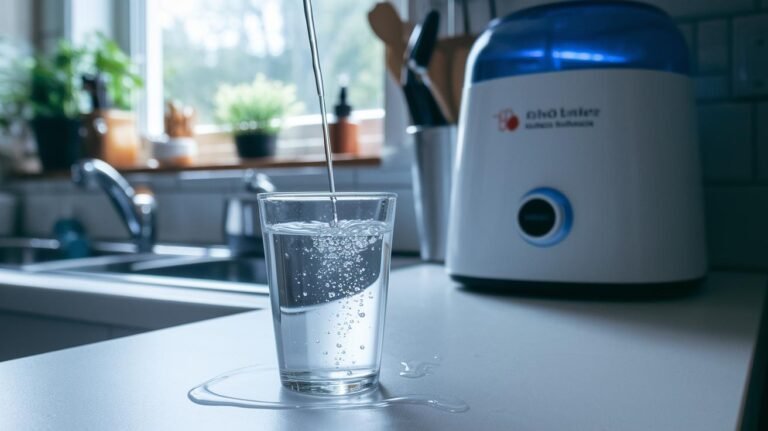
Under the cup’s calm surface, molecules are doing a tiny dance. Most hang together as H2O, but a few split into charged bits called ions.
Water can do that by itself through autoprotolysis (when two water molecules swap a proton). That makes a little hydronium (H3O+) and a little hydroxide (OH-). Tiny numbers, big idea.
Warm water nudges that balance and shifts pH (pH is how acidic or alkaline something is). Heat makes molecules move faster, so more of those proton swaps happen. Think of it like people in a room bumping into each other more when it gets crowded.
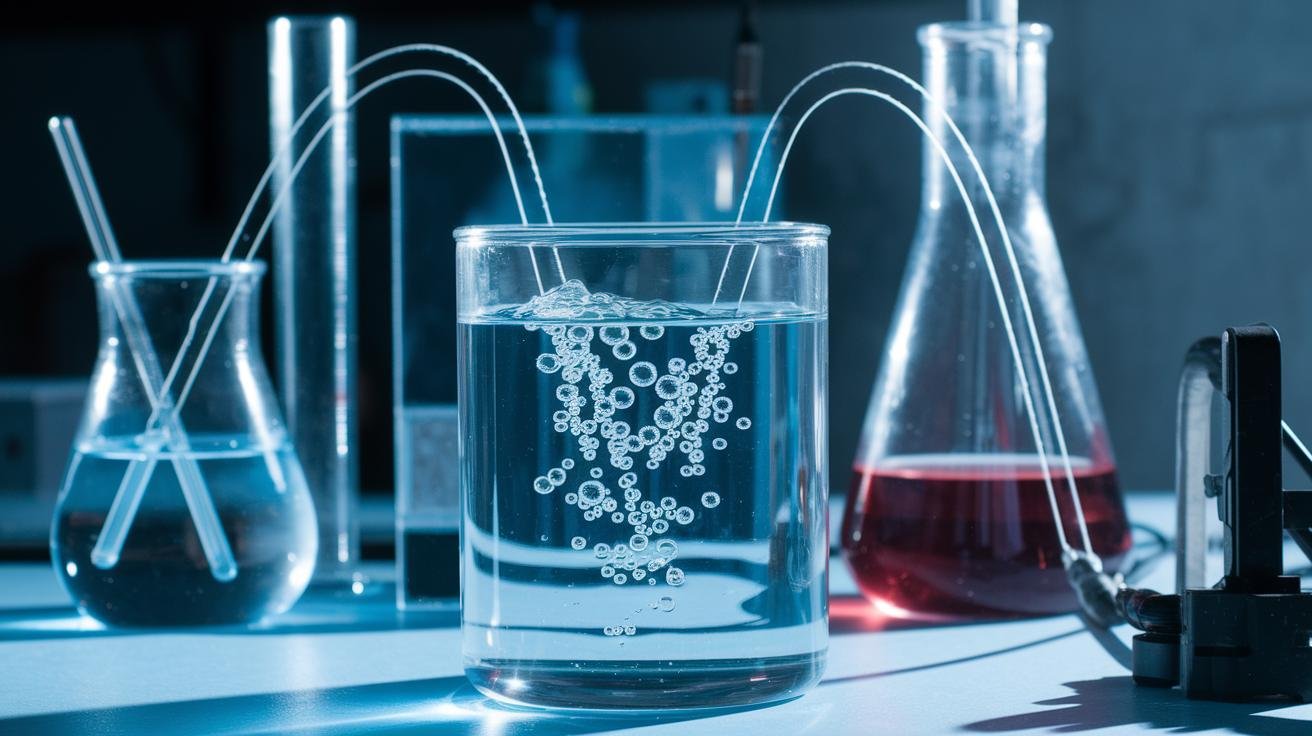
You can also force water apart with electricity in an electrolytic cell (a setup that runs current through water to split it). Pure water barely conducts. Dissolved minerals and ions act like tiny wires, letting charge flow so the cell can do its job. Then water breaks into basic pieces like hydrogen and oxygen.
Want clear, plain science without the fluff? Keep reading. Wait, let me rephrase that… if you like simple explanations, this is for you.
How Is Water Ionized Made Clear
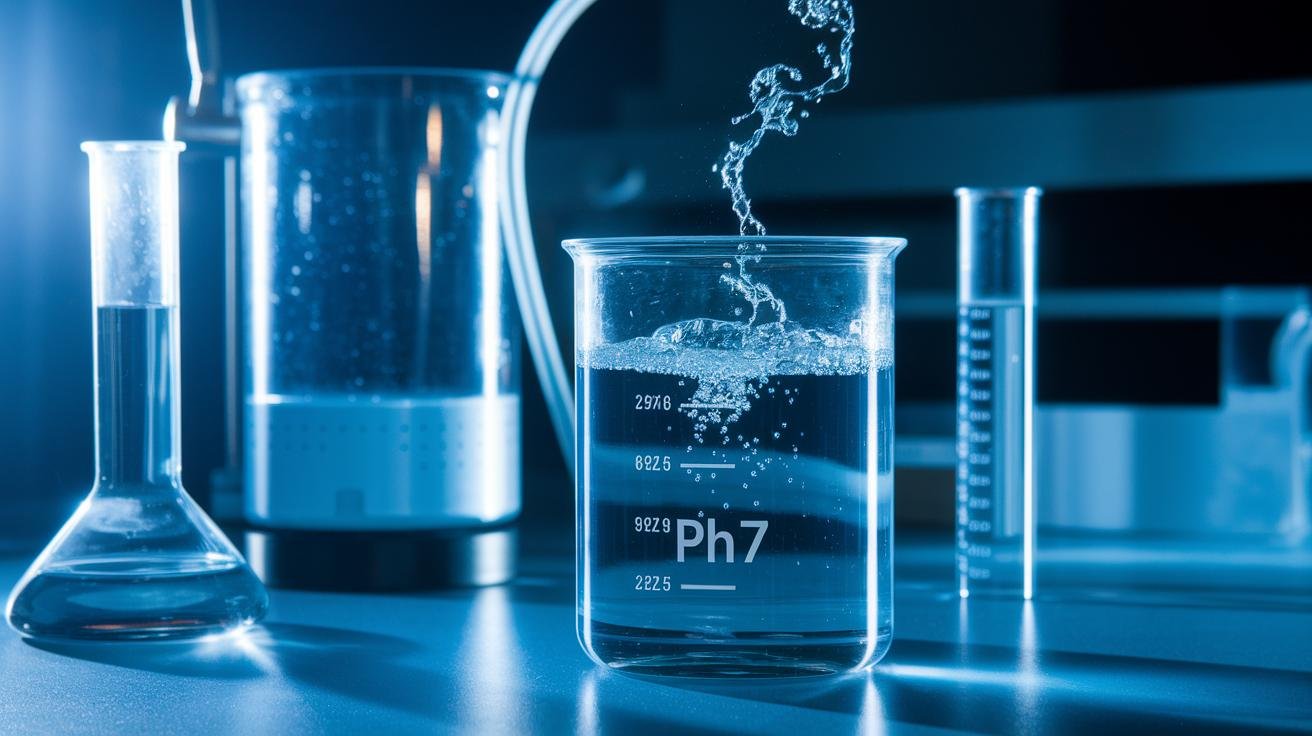
Water looks simple. But under the surface, its molecules are doing a tiny, ongoing balancing act that lets a few of them split into ions. Think of it as a quiet dance, with most partners staying together and just a few stepping away for a moment.
Spontaneous Autoprotolysis
Pure water constantly swaps a proton between molecules: 2 H2O ⇌ H3O+ + OH− (often written as H2O ⇌ H+ + OH−). At 25 °C only about 2 out of every 1 billion water molecules are split at any instant. So most of the cup you hold is intact H2O.
pH (how acidic or alkaline something is) measures [H+] on a log scale; pOH measures [OH−]. The ion product constant Kw (Kw = [H+][OH−]) ties those values together. At 25 °C [H+] = [OH−] = 1 × 10⁻⁷ M, so Kw = 1 × 10⁻¹⁴ and pH = 7. In pure water pH + pOH = 14.
| Temperature | Kw | Neutral pH |
|---|---|---|
| 25 °C | 1 × 10⁻¹⁴ | 7.00 |
| 50 °C | 5.5 × 10⁻¹⁴ | 6.63 |
| 75 °C | 2.0 × 10⁻¹³ | 6.35 |
Warm water nudges the balance toward more ion pairs. As temperature rises Kw increases, so the neutral pH (where [H+] = [OH−]) moves to a lower number. That can be confusing: neutral at higher temperature has a lower pH value, even though the solution is still chemically neutral. Molecules swap partners faster with heat. Simple as that.
Forced Ionization by Electrolysis
You can also force water apart with electricity. An electrolytic cell (a device that uses electric current to split water into gases) pushes the reaction rather than letting it happen on its own. But it needs some dissolved ions, minerals or salts, to carry the current. Ultra-pure water is a poor conductor; those minerals are what let charge move and reactions happen at the electrodes.
At the cathode (reduction): 2 H2O + 2 e− → H2 + 2 OH− (E° = −0.83 V)
At the anode (oxidation): 2 H2O → O2 + 4 H+ + 4 e− (E° = +1.23 V)
Overall: 2 H2O → 2 H2 + O2
Reaction speed and efficiency depend on a few practical things: the electrode surface area and material, the overpotential (extra voltage beyond the theoretical minimum), and how well the water conducts (ionic strength). Better electrode materials and more dissolved ions speed the process. But push the current too hard and overpotential rises, which wastes energy and cuts efficiency.
So that’s the gist. Water’s ion story is both a tiny natural dance and something we can speed up with electricity, as long as the water can carry the charge. Fascinating, right?
Electrolytic Cell Design for Water Ionization
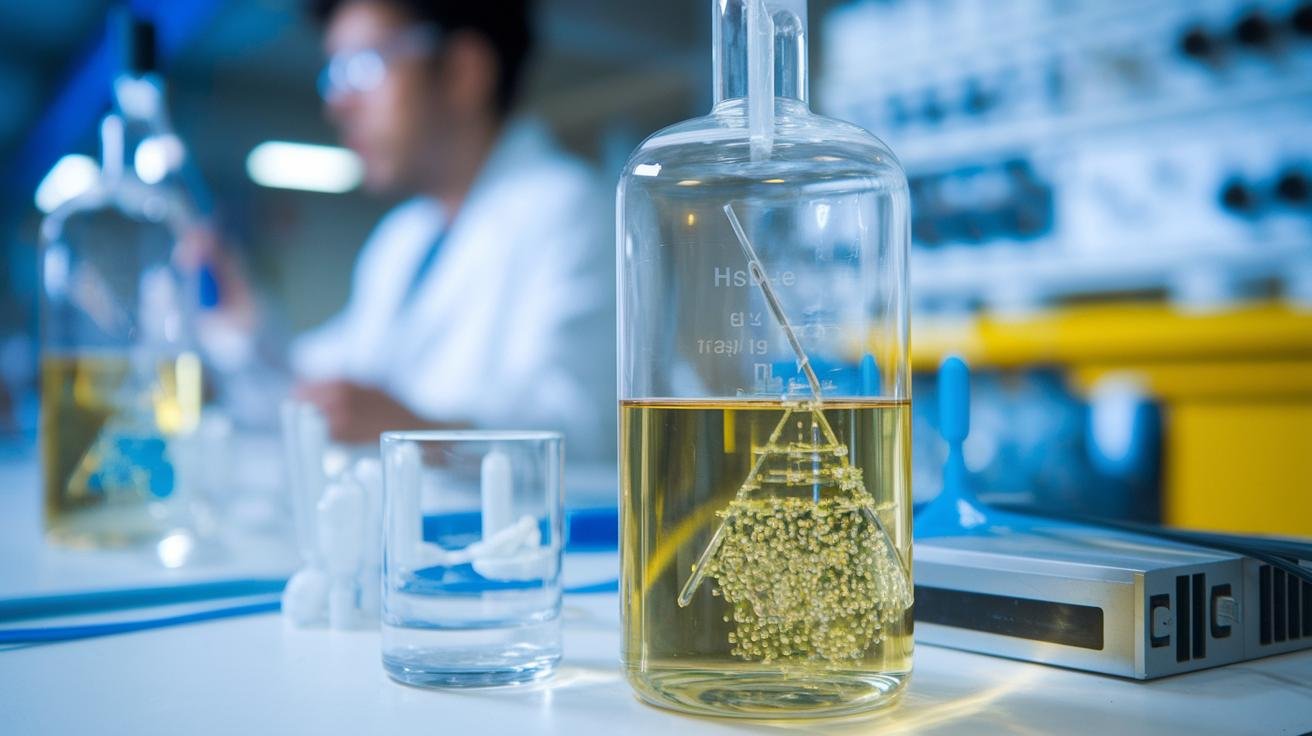
Think of an electrolytic cell like a sandwich of metal plates and water channels that steer ions where we want them to go. Two main compartments sit on either side of a membrane: one around the anode (positive electrode) and one around the cathode (negative electrode). The membrane is ion-permeable (it lets charged particles pass but keeps the two water streams from mixing). Simple, right?
The stack runs on low DC power. Under normal load most systems sit around 1.8 to 2.2 volts. That voltage covers the basic energy needs plus the usual extra losses, called overpotentials (the extra voltage needed to make reactions happen).
Electrode material matters a lot. Most reliable systems use titanium plates with a thin layer of platinum on top. That combo resists corrosion and gives a good catalytic surface for the reactions. Plate spacing and total surface area set the current density (how much electric current flows per area). Closer plates and more surface area lets you move more charge at a given voltage, but cram them too tight and coolant flow, heat removal, and gas escape all get worse. Think of it like a highway: more lanes let more cars through, but you still need clear on-ramps and exits.
Designs come in two main styles: batch and continuous flow. Batch cells treat a set volume of water and run until you reach the desired split between alkaline and acidic water, great for lab tests or small batches. Continuous flow systems push tap water through channels between plates and make steady alkaline and acidic streams on demand, what most home and industrial units use. Continuous systems need careful hydrodynamics so every parcel of water sees the same electric conditions.
Here are the common parts you’ll see:
- Platinum-coated titanium electrode plates (durable catalytic surface)
- Ion-permeable membrane (anion or cation exchange type) , lets ions pass while separating products
- DC power supply with voltage and current control electronics
- Inlet and outlet plumbing and flow channels (for continuous systems)
- Gas vents, seals, and temperature management components
Good design balances voltage, current density, and flow so overpotential and polarization (voltage losses from reaction resistance or uneven current) stay low. That saves energy and gives more useful product water. Get those pieces working together and the cell hums along, um, usually with a faint hiss of gas. Pure refreshment.
How Is Water Ionized Made Clear
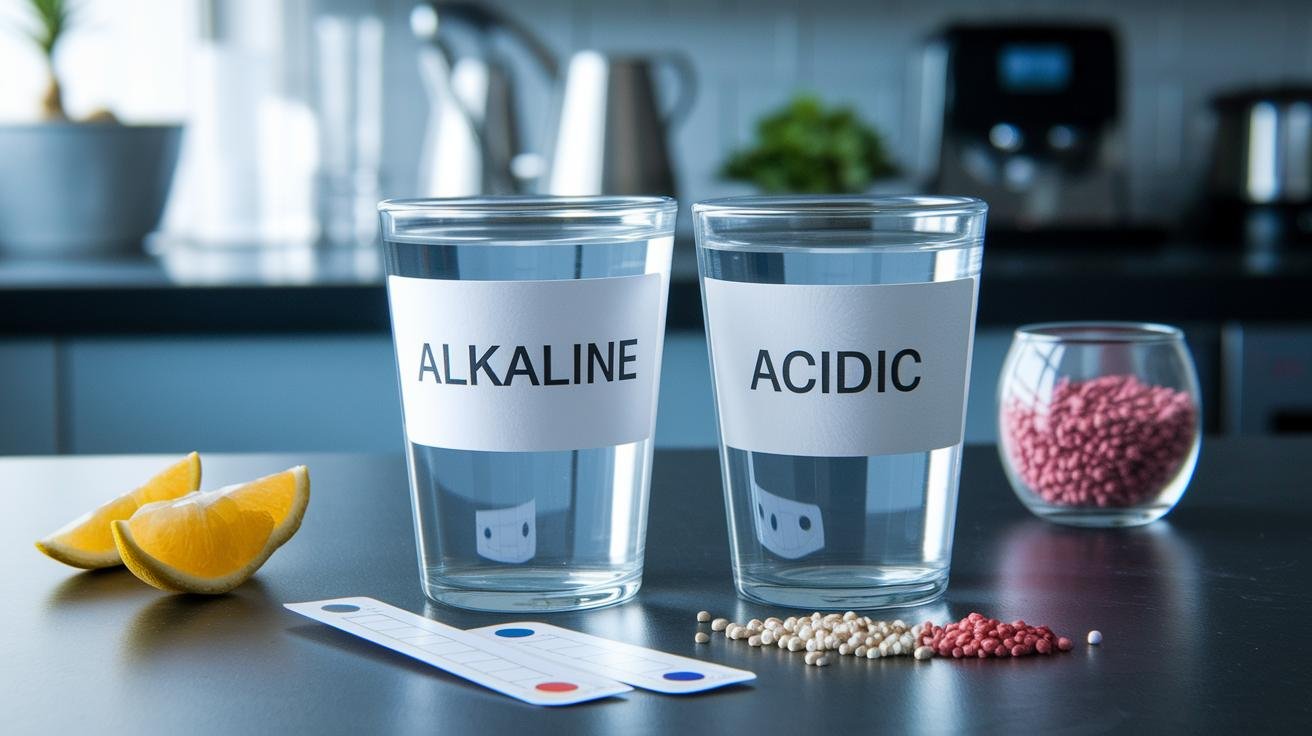
When tap water with dissolved minerals goes past the cathode during electrolysis (using electricity to split water), hydroxide levels rise. That pulls calcium and magnesium toward the alkaline side, where they react a bit with water and form tiny amounts of calcium hydroxide and magnesium hydroxide. The result: the drinking-side pH (how acidic or alkaline something is) usually lands around 8.5 to 9.5. Tiny bubbles of molecular hydrogen (H2, two hydrogen atoms that can dissolve in water) also form and hang around in the alkaline stream, giving it some reductive potential. A crisp, cool sip. For a quick reference on alkaline specs, check what is alkaline ionized water. That link fits nicely when you’re defining alkaline water specifications.
On the other side, at the anode, more H plus (H+, hydrogen ions) builds up and bicarbonate and other negative ions concentrate there. Those can form carbonic acid and push the pH down into roughly the 3 to 6 range. This acidic water isn’t meant for drinking. It’s great for rinsing hair, cleaning surfaces, or misting plants because the higher H plus changes how things interact on surfaces and can help with shine or scale control.
Typical pH ranges and dominant ions:
- Alkaline water (pH about 8.5 to 9.5): higher OH minus (hydroxide), more Ca2 plus and Mg2 plus, plus dissolved H2
- Acidic water (pH about 3 to 6): higher H plus, more HCO3 minus (bicarbonate) and carbonic acid species
- Neutral tap (pH about 6.5 to 7.5): a balanced mix of Na plus, Ca2 plus, Mg2 plus, and HCO3 minus
Mineral content is the deal-maker. Electrolysis needs dissolved salts to carry the current; deionized or reverse osmosis water conducts poorly and won’t split efficiently. Home ionizers don’t add new minerals. They separate the ions already in your water, so your starting water chemistry sets how well the cell runs and what each output stream contains. Think of it like baking: if your water’s missing the ingredients, the machine can’t make the same result. Um, true story, homes with very soft water often get weaker alkaline flow.
How Is Water Ionized Made Clear
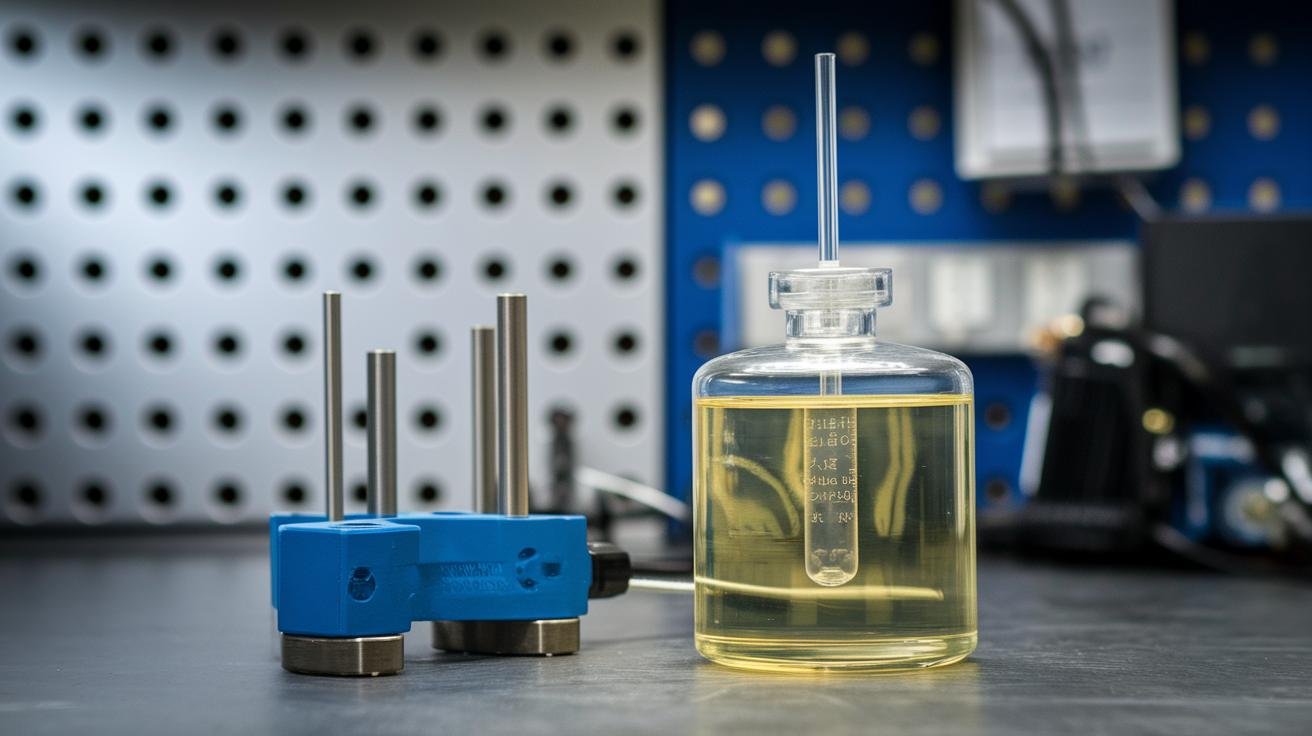
Ever wonder how ionized water gets made? It actually comes in three common setups: home, lab, and industrial. Each uses the same basic electrochemistry but they look and run very differently.
Home ionizers are compact and easy to use. You usually pick a sipping pH (pH is how acidic or alkaline something is) with a button and get a crisp, cool sip without fiddling. They sit behind the faucet in a continuous flow setup, with built-in filters and an automatic self-clean cycle to cut down maintenance. Plates are often platinum-coated titanium. Routine care is simple: change filters and let the machine clean itself. Many home models split water about three parts alkaline to one part acidic for everyday use. Pure refreshment.
Labs are all about control and measurement. They use two-electrode glass or acrylic cells hooked to adjustable power supplies, and they often run in batch mode so volumes and conditions can change between runs. Researchers swap electrode materials and membranes, tweak current density (current per electrode area), and adjust salt levels to study reaction rates, dissolved hydrogen (H2 in the water), and gas evolution (bubbles). Sampling ports and mounted electrodes give easy access to log pH, conductivity, and ORP (oxidation-reduction potential). Sounds intense? It is, because labs need reproducible data.
Industrial splitter units scale the same chemistry for high throughput. Big plate arrays, advanced membranes, and active cooling let systems run at high current density continuously while protecting components. Continuous flow with balanced hydraulics keeps the alkaline and acidic streams separate and stable. Automation and remote monitoring handle long runs and safety. When sizing a system, operators weigh plate area, membrane life, energy use, and redundancy as key factors. Many industrial lines aim for a steady alkaline to acidic output near 3:1, though processes are engineered to meet specific needs.
| Application | Mode | Plate Material | Output Ratio |
|---|---|---|---|
| Home | Continuous flow | Platinum-coated titanium | ~3:1 alkaline to acidic |
| Lab | Batch operation | Varied (titanium, platinum, graphite) | Variable, experiment-dependent |
| Industrial | Continuous flow | Large titanium plates with catalytic coatings | Often ~3:1, engineered per process |
How Is Water Ionized Made Clear
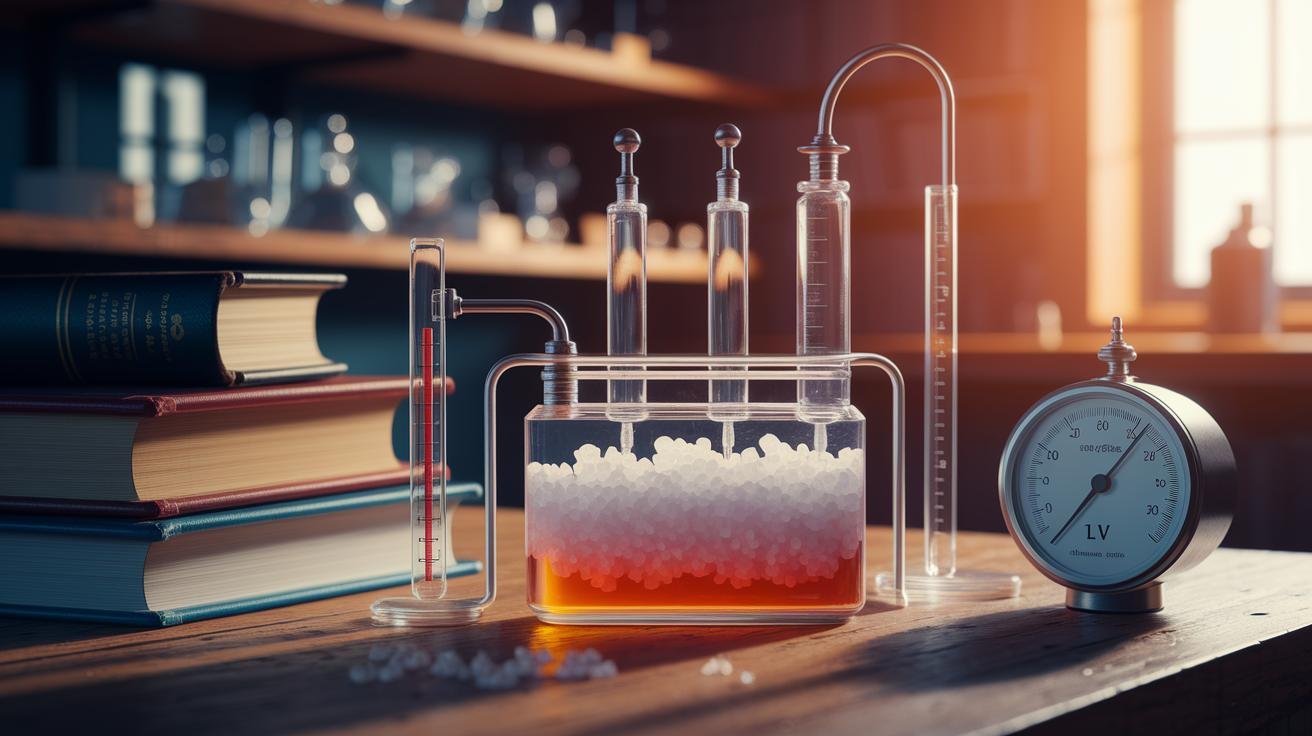
Here’s a surprising fact to start: pure water barely conducts electricity , about 0.055 µS/cm at 25 °C, so it’s almost an insulator. Ever thought about why that matters when people talk about ionized water?
Forced ionization is usually done by electrolysis (splitting water into charged parts, H+ and OH- at the electrodes). But pure water won’t carry much current on its own. You need a few dissolved minerals or a little salt to help, think of them as tiny carriers that let charge move through the water. Add those, and the cell can run at a lower applied voltage for the same current, which saves energy and stress on the parts.
Electrolytic cell design brings another layer. To split water you must exceed the thermodynamic threshold of about 1.23 V (the minimum voltage to make the reaction possible). Then you add electrode overpotentials (extra voltage needed because real electrodes and reactions aren’t perfect), usually around 0.5 to 1 V depending on materials and conditions. So in practice, commercial systems often operate in a 1.8 to 2.3 V window. That gets past kinetic barriers while trying not to overheat the cell or cause unwanted side reactions.
Temperature matters, too. Warmer water increases Kw (the tendency of water to split into H+ and OH-), so you get faster reaction rates and better conductivity. But higher temps can also speed corrosion and change how minerals deposit on electrodes. The fine details get technical, so this is just the big picture.
Practical trade-offs to watch for
Think of current density, ionic strength, and feedwater purity as a connected triangle, change one side and the others react. Aim for moderate current density and modest mineral content for steadier voltage, lower overpotentials, and less electrode wear. Hmm, makes sense, right?
- Current density: higher current density makes ions form faster and increases gas evolution, but it also raises overpotential and heat. That wastes energy and can speed up scale buildup on electrodes.
- Ionic strength & purity: a small amount of dissolved ions (Na+, Ca2+, Mg2+) helps charge move. Deionized or RO water (very low minerals) can make electrolysis unstable and stress electrodes, while very hard water increases scaling and wear.
So, in short: you need some minerals to help the water conduct, the cell has to run a bit above the theoretical voltage because real materials aren’t perfect, and you balance current and mineral content to protect efficiency and electrode life. Wait, let me rephrase that , keep it moderate, and the system runs happier.
How Is Water Ionized Made Clear
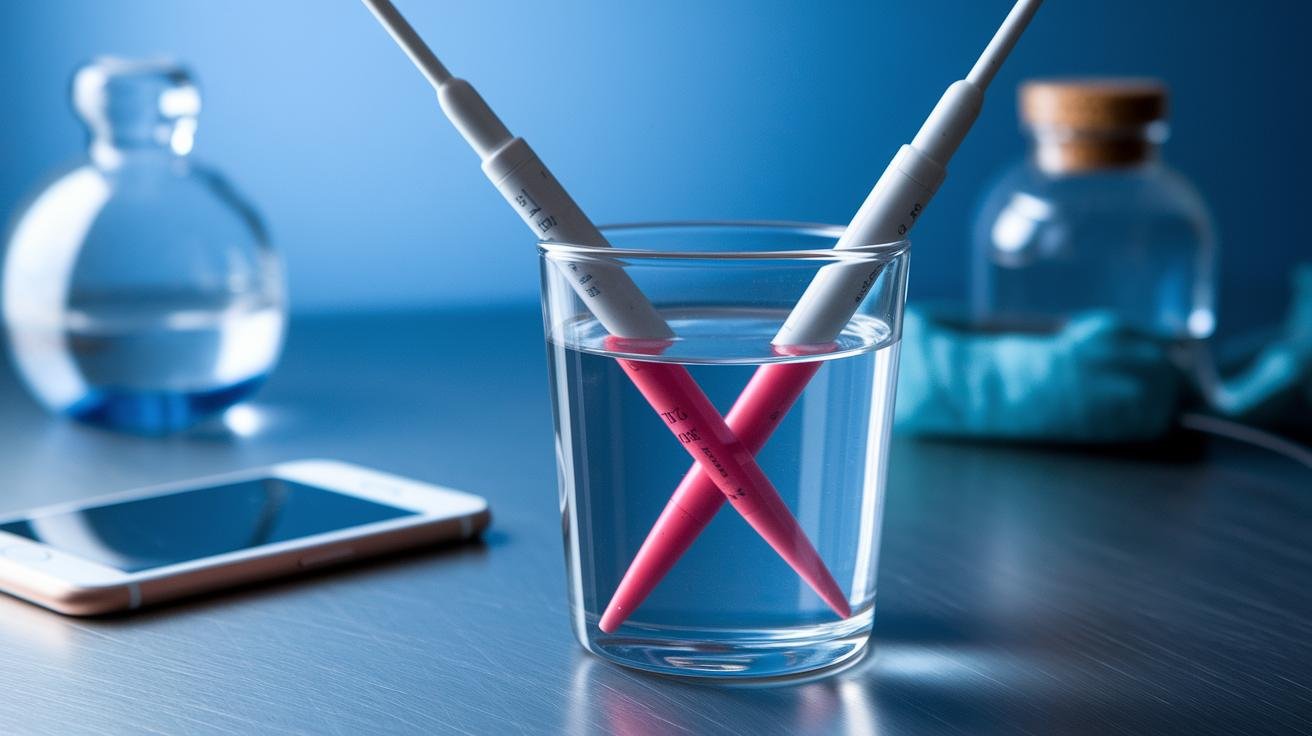
pH probes and color indicators measure H+ concentration directly. Calibrate pH electrodes with at least two standard buffers near the range you expect, and use temperature compensation (pH is affected by temperature). Quick paper strips are fine for rough checks. A quality glass electrode gives continuous, traceable readings, when you keep it clean.
Conductivity meters report total ionic strength by measuring how well the water carries electrical current. That number helps you guess how an electrolytic cell will behave. ORP sensors give a real-time mV readout and hint at reducing species like dissolved H2 (dissolved hydrogen). A lower ORP usually means more reducing conditions. Both conductivity and ORP need periodic calibration and stable reference solutions.
- pH electrode measurement with regular buffer calibration
- Ion-selective electrodes for OH- (hydroxide) or other specific ions – useful to estimate particular ions indirectly
- Conductivity / TDS meters to assess total dissolved ions and ionic strength (TDS means total dissolved solids)
- Titration with a standard acid or base for precise [H+] / [OH-] quantification (titration is a stepwise neutralization method to find concentration)
Don’t rely on a single number. A lone pH value won’t tell you which ions are present. Match pH trends with conductivity and ORP to see if changes come from mineral shifts, dissolved hydrogen, or simple dilution. Integrate sensors into a data logger or control system for live charts and alarms. And always check calibration logs before you trust a reading. Ever notice small drift over weeks? That’s usually the probe, not the water. Wait, let me rephrase that… clean and re-calibrate, and you’ll often see the reading snap back.
How Is Water Ionized Made Clear
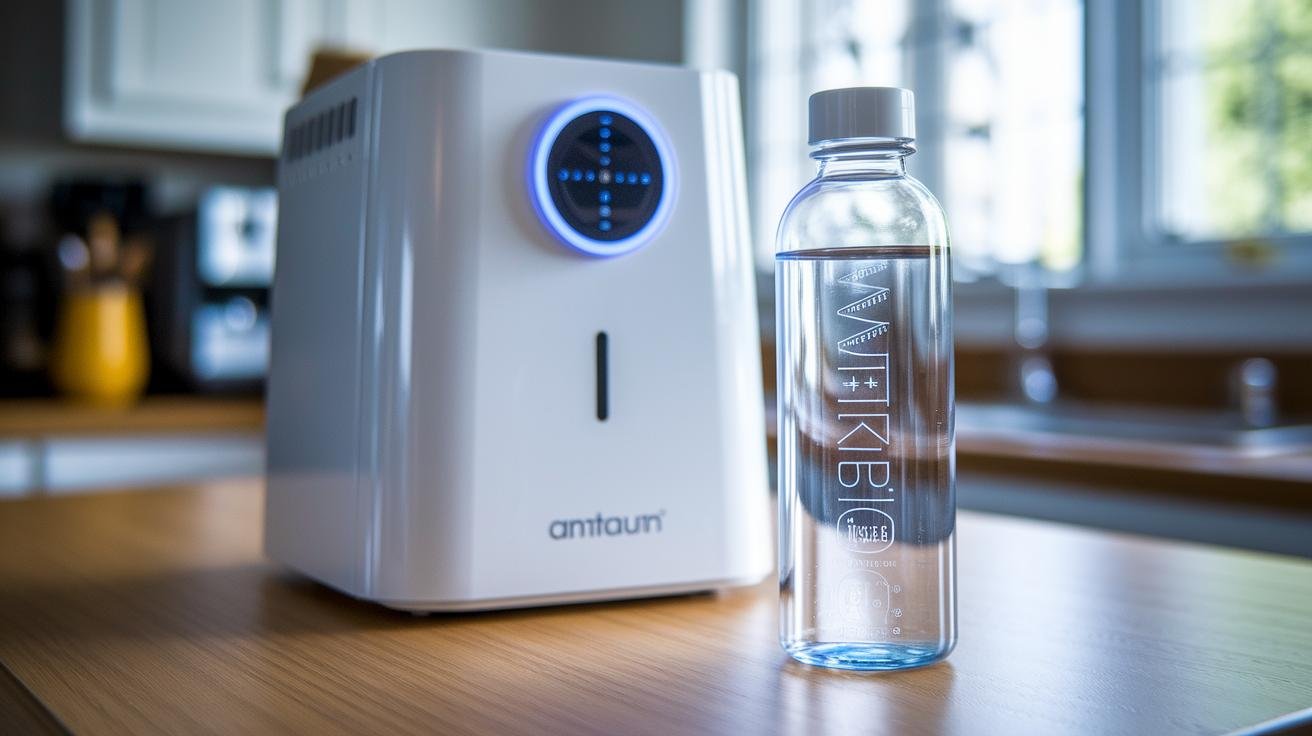
People talk about antioxidant effects a lot. Here’s the simple chemistry: some alkaline streams hold tiny amounts of dissolved molecular hydrogen, H2 (two hydrogen atoms). That H2 can act as a reductant in lab tests, so some studies and makers point to antioxidant activity. Ionization happens by electrolysis (splitting water into slightly alkaline and slightly acidic streams), which is how those differences show up.
Clinical proof for big health benefits from drinking alkaline ionized water is limited. Your body keeps blood pH tightly controlled with your lungs and kidneys, so sipping slightly alkaline water won’t change your overall acid-base balance. Still, the taste and the dissolved hydrogen can feel nice , a crisp, cool sip. Hmm.
Acidic ionized water is useful around the house. It’s good for surface cleaning, mild disinfecting, and as a final hair or skin rinse because the lower pH (how acidic or alkaline something is) helps cut through residues and smooth cuticles. See beauty water benefits. Using acidic water for some chores can cut down on chemical cleaners and waste. For plants, mild acidic sprays can help foliar cleaning, but don’t use strong acids on delicate leaves.
Store ionized water simply. Use inert glass or food-grade plastic to avoid metal interactions and off flavors. Don’t leave H2-rich water in warm, sunny spots , heat and light make the dissolved hydrogen escape faster. Label containers if you keep both alkaline and acidic batches.
- Run both output streams as designed; dispensing only one stream can stress the machine.
- Don’t drink strongly acidic water (pH around 3–6) , reserve it for external use.
- Replace filters and follow the manufacturer’s electrode cleaning schedule to limit scale and bacteria buildup.
- Test pH (how acidic or alkaline something is) and conductivity occasionally; calibrated probes help you spot changes early.
- If you’re using very pure water (RO or distilled), add minerals or avoid electrolysis – pure water conducts poorly and can harm the cell.
Final Words
We jumped straight into how water splits: quiet autoprotolysis pins pure water at pH 7 via Kw, and electrolysis forces ions apart to make H2 and O2 when current runs through mineral-containing water.
Temperature, conductivity, and electrode setup shift that balance and change efficiency, so pH and output move with conditions. Um, that's the chemistry in plain terms.
Curious about how is water ionized? Now you’ve got a simple answer and a clear path to smarter hydration and faster recovery.
FAQ
Frequently Asked Questions
What is the ionization of water and how does it happen?
The ionization of water is spontaneous autoprotolysis where 2 H2O ⇌ H3O+ + OH-. At 25°C about two in a billion molecules dissociate, giving neutral pH around 7.
What is the equation for water ionization?
The equation for water ionization is 2 H2O ⇌ H3O+ + OH-, often shown as H2O ⇌ H+ + OH-, which defines how hydronium and hydroxide form at equilibrium.
What is the self-ionization constant Kw and its typical value?
The self-ionization constant Kw equals [H+][OH-]; at 25°C Kw = 1×10^-14 and neutral pH is 7. Kw rises with temperature, shifting neutral pH lower (for example near 6.63 at 50°C).
How do they ionize water in devices or labs?
They ionize water either by spontaneous autoprotolysis or by electrolysis, which uses an applied current plus dissolved ions to split water into H2 (at the cathode) and O2 (at the anode).
How does water ionization matter in biochemistry?
Water ionization in biochemistry provides the H+ and OH- needed for acid-base reactions, proton transfer, enzyme activity, and buffering—fundamental for cellular chemistry and reaction rates.
Does drinking alkaline or ionized water help with GERD or overall health?
Drinking alkaline or ionized water may ease symptoms for some people, but strong clinical proof is limited; the body tightly regulates systemic pH, so long-term health benefits aren’t established.
Why might I feel weird after drinking alkaline water?
Feeling weird after alkaline water can come from taste, mineral changes, altered stomach acidity, dissolved hydrogen, or shifts in electrolytes; symptoms usually pass but check with a healthcare pro if persistent.
Where can I find an “ionization of water” PDF or reliable resource?
For an ionization of water PDF, look for university chemistry lecture notes, reputable textbooks, or scientific society pages; I can also create a concise PDF summary if you’d like.