Alkaline Foods Chart For Easy Meal Planning
What if easier meal planning meant a fridge-ready chart instead of another diet book?
Ever wish you had a simple cheat sheet for quick decisions?
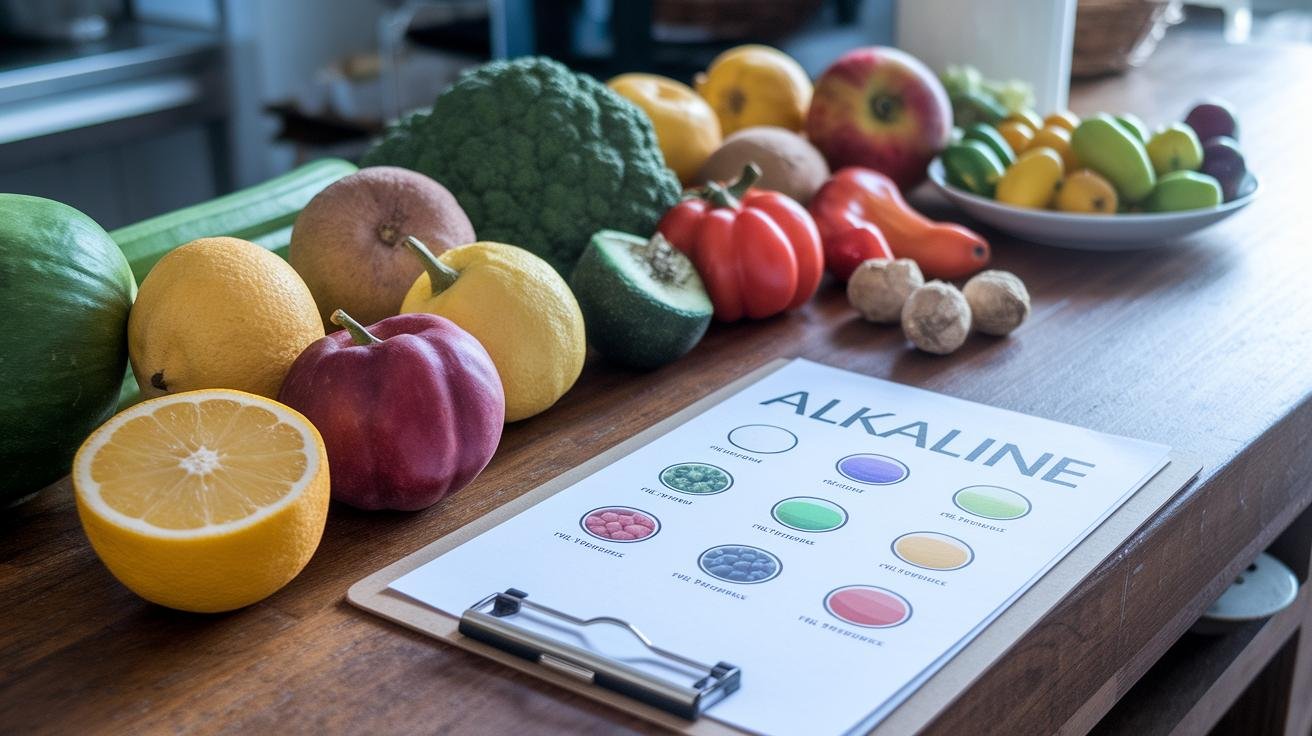
This color-coded alkaline foods chart shows PRAL (predicts net acid or alkaline load after digestion) and pH (how acidic or alkaline something is in solution).
Stick it on the fridge and you’ll see the info at a glance.
Think of it as a quick meal-planning shortcut.
Green marks highly alkaline-forming foods, yellow means neutral-to-mild, and red signals acid-forming choices.
Wait, let me rephrase that, lemon tastes acidic, but it shows up green here because PRAL predicts an alkalizing effect after digestion.
Funny, right? That bright, tart squeeze can end up being alkalizing.
Use this chart to build alkaline-leaning meals fast, salads, smoothies, or simple sides.
Quick. Practical. Helpful.
Alkaline Foods Chart For Easy Meal Planning
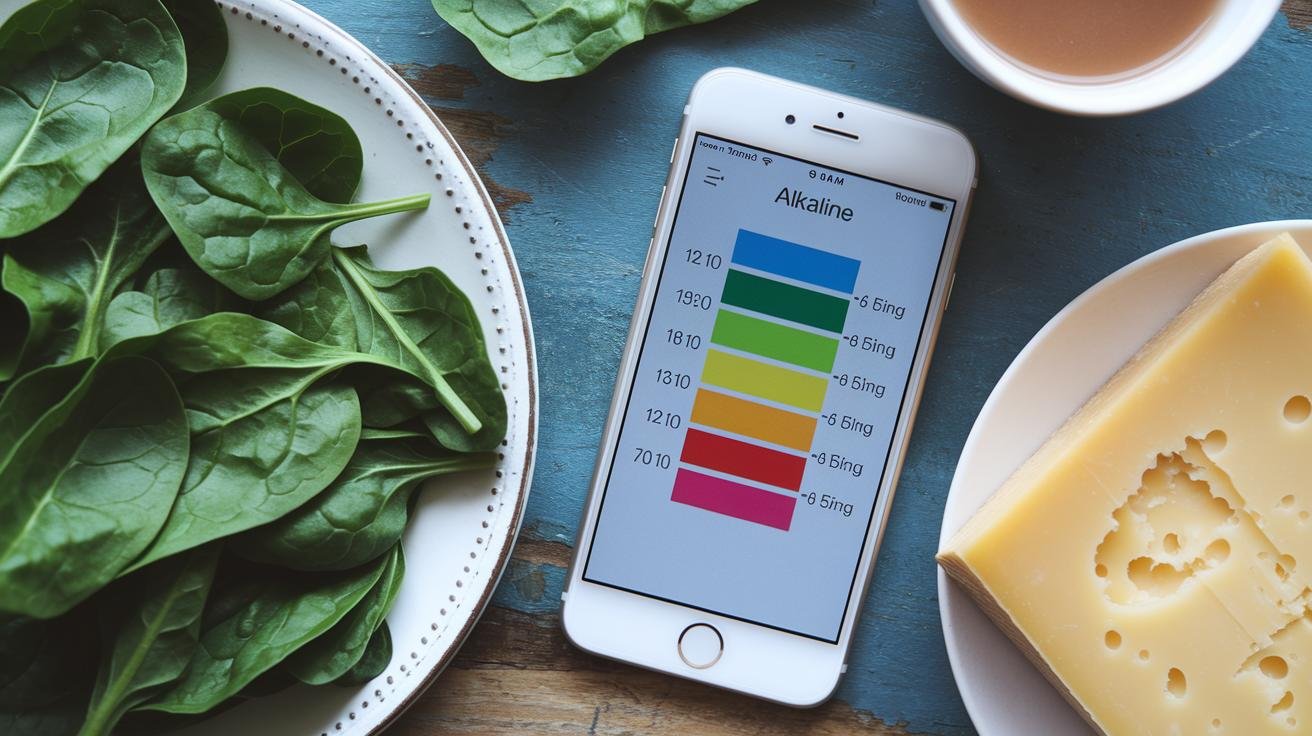
This chart lists Food, Category, PRAL (mEq/100 g) (PRAL predicts the net acid or alkaline load after digestion), pH Value (pH shows how acidic or alkaline a food is in solution, 0–14), and a Color Code. Think of it as a simple kitchen cheat sheet for planning meals. Want a quick reference? Print it and stick it on your fridge.
Color key: Green means highly alkaline-forming, Yellow means neutral-to-mild, and Red means acid-forming. PRAL numbers are given per 100 grams so you can compare portions easily. Wait, let me rephrase that , lemon tastes acidic because it has a low pH, but it appears green here because PRAL predicts an alkalizing effect after digestion. Um, little science, big payoff.
| Food | Category | PRAL (mEq/100 g) | pH Value | Color Code |
|---|---|---|---|---|
| Spinach | Vegetable | -14.0 | 6.0 | Green |
| Kale | Vegetable | -7.0 | 6.0 | Green |
| Broccoli | Vegetable | -1.2 | 6.3 | Green |
| Banana | Fruit | -5.0 | 5.0 | Green |
| Watermelon | Fruit | -4.5 | 5.6 | Green |
| Lemon | Fruit | -2.5 | 2.3 | Green |
| White bread | Grain | +1.5 | 6.0 | Yellow |
| Brown rice | Grain | +2.0 | 6.0 | Yellow |
| Barley | Grain | +0.8 | 6.0 | Yellow |
| Chicken breast | Protein | +7.0 | 6.2 | Red |
| Cheddar cheese | Protein | +26.0 | 5.1 | Red |
| Salmon | Protein | +4.5 | 6.1 | Red |
Quick meal planning tips:
- Aim for mostly green items each day. Think leafy greens, fruit, and lots of non-starchy veggies. Pure refreshment.
- Balance red items by adding extra vegetables. For example, pair chicken with a big salad or steamed greens.
- Build breakfasts around a whole grain plus a handful of greens. Smooth, simple, satisfying.
- Pack lunches with lean protein and non-starchy vegetables. Keeps you full without feeling heavy.
- Make dinners grain-plus-veg heavy. Roast veggies, add a grain, then a small portion of protein if you want.
- Smoothies with spinach, cucumber, and a squeeze of lemon are an easy way to follow the color-coded chart (and they taste bright and clean).
- Remember PRAL is per 100 g when you scale recipes, so adjust servings accordingly.
Ever notice how your energy shifts after a crisp, cool sip? Little swaps add up fast. Hmm.
Reading the Chart: Understanding pH vs. PRAL in Alkaline Foods Chart

Food pH is a simple number that tells you how acidic or alkaline something is when it’s dissolved in water (pH is how acidic or alkaline something is; it runs 0 to 14). It helps explain taste and that immediate sour or flat feeling on your tongue. Short and sweet.
But taste isn’t the whole story. What really matters for your body is the net acid load a food creates after digestion. Blood pH sits around 7.35 to 7.45 (a little alkaline), so tiny dietary shifts add up over time. Ever notice a lemon tastes sharp but somehow leaves you feeling bright? That’s pH versus effect. Wait, let me rephrase that… taste is immediate; effect is what your body has to balance.
PRAL (potential renal acid load) predicts the net acid or base your kidneys must handle after digestion. It’s based on nutrients per 100 grams, protein and phosphorus push PRAL up, while potassium, magnesium, and calcium pull it down. Negative PRAL means alkaline-forming (spinach is about −14.0), positive PRAL means acid-forming (cheddar runs near +26.0). Think of PRAL as a ranking tool for meal planning instead of relying on taste alone.
Want to try this at home? Use pH strips or a small digital meter to test a diluted sample, blend a bit of the food with water and measure (that’s the basic food pH method). For PRAL you’ll need nutrient data per 100 g, which you can plug into an interactive pH food chart for accurate swaps and custom meal plans. Small, precise data makes the chart actually useful. Hmm.
In truth, use both numbers. pH tells you what you’ll taste. PRAL tells you what your kidneys and body will deal with. Little changes add up, so choose wisely and enjoy the crisp, cool sip now and then.
Spotlight on Alkaline Vegetables and Fruits in the Alkaline Foods Chart
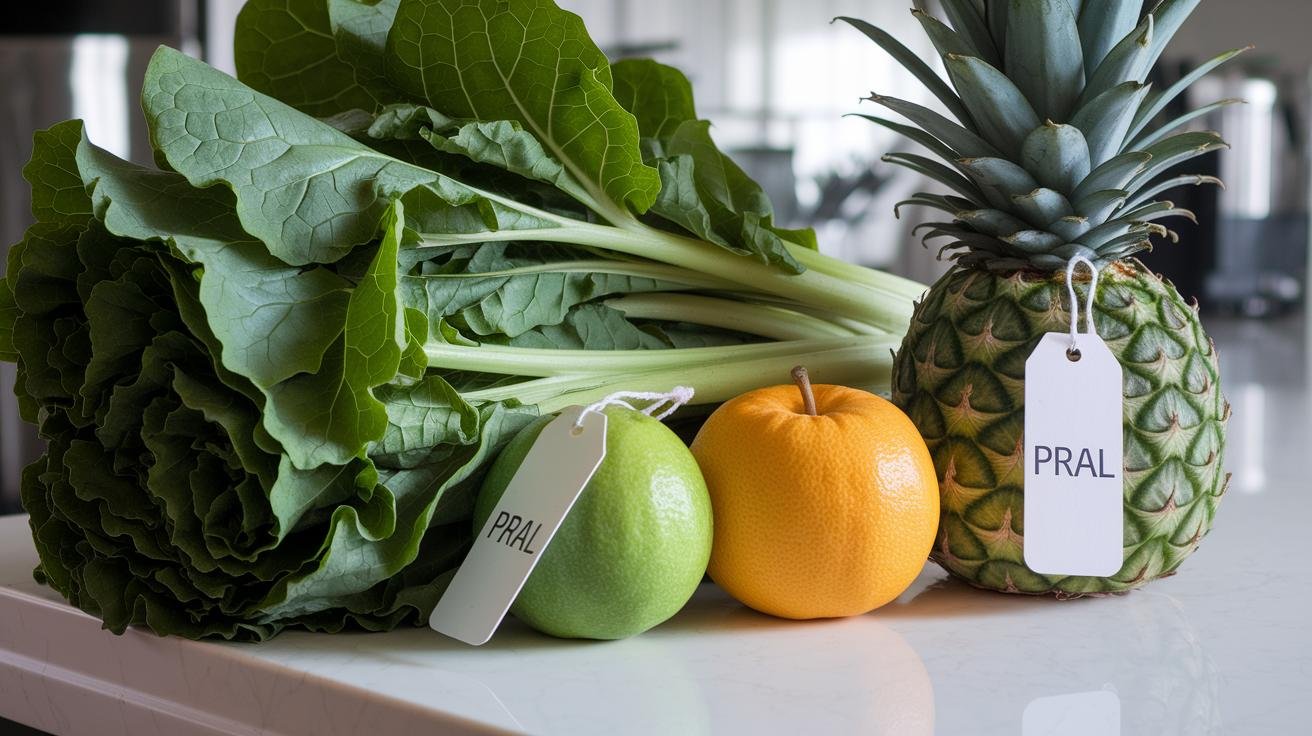
Check the chart for exact PRAL values (PRAL means potential renal acid load, a simple way to see how a food may affect your body’s acidity). Here are easy, real-life ways to bring more alkaline fruits and veggies into your day.
Swap smarter.
Replace a starchy side with a pile of greens at one meal. I swapped my rice for sautéed spinach once and felt lighter after lunch. Simple change. Big difference.
Blend combos for snacks or after workouts.
Try a fruit plus a leafy green. Banana and spinach with ice makes a creamy, cooling boost that feels like a treat. Ever noticed how a green smoothie perks you up?
Storage and season tips.
Keep greens wrapped in a damp paper towel in the fridge so they stay crisp. Freeze ripe bananas for smoothies. Buy watermelon in season for the sweetest slices. I toss overripe bananas in the freezer, instant smoothie base. Yum.
Portion guide.
Aim for a couple handfuls of raw greens or one piece of fruit for a snack to nudge a meal toward alkaline choices. Two big handfuls of raw spinach brightened my salad and made it feel satisfying.
| Food | 100 g ≈ Common serving |
|---|---|
| Spinach / Kale | About 3 cups raw leaves or 1 cup cooked |
| Broccoli (florets) | About 1 cup chopped |
| Cucumber | About 1 medium cucumber or 1 cup sliced |
| Banana | About 1 medium banana (peeled) |
| Watermelon | About 1 cup diced |
| Lemon | About 1 large lemon or 2 small lemons (juice varies) |
| Avocado | About 1/2 to 1 small avocado |
Quick ideas tied to the table:
Smoothie starter.
One banana plus a big handful of raw spinach and cold water or ice. Use the table to eyeball servings. It blends into a silky green drink I wanted every morning.
Simple salad.
Toss raw kale or spinach with diced watermelon, a squeeze of lemon, a drizzle of olive oil, and a sprinkle of nuts. That sweet pop of watermelon against peppery kale? So fresh.
Snack hack.
Mash half an avocado, squeeze lemon, salt lightly, and dip cucumber slices. Creamy and bright. Snack-level perfection.
Small note: these are tweaks, not rules. Try one and see how it feels. Um, you might end up craving that crisp, cool sip more often.
Alkaline vs. Acidic Foods: Balancing Your Diet with the Alkaline Foods Chart
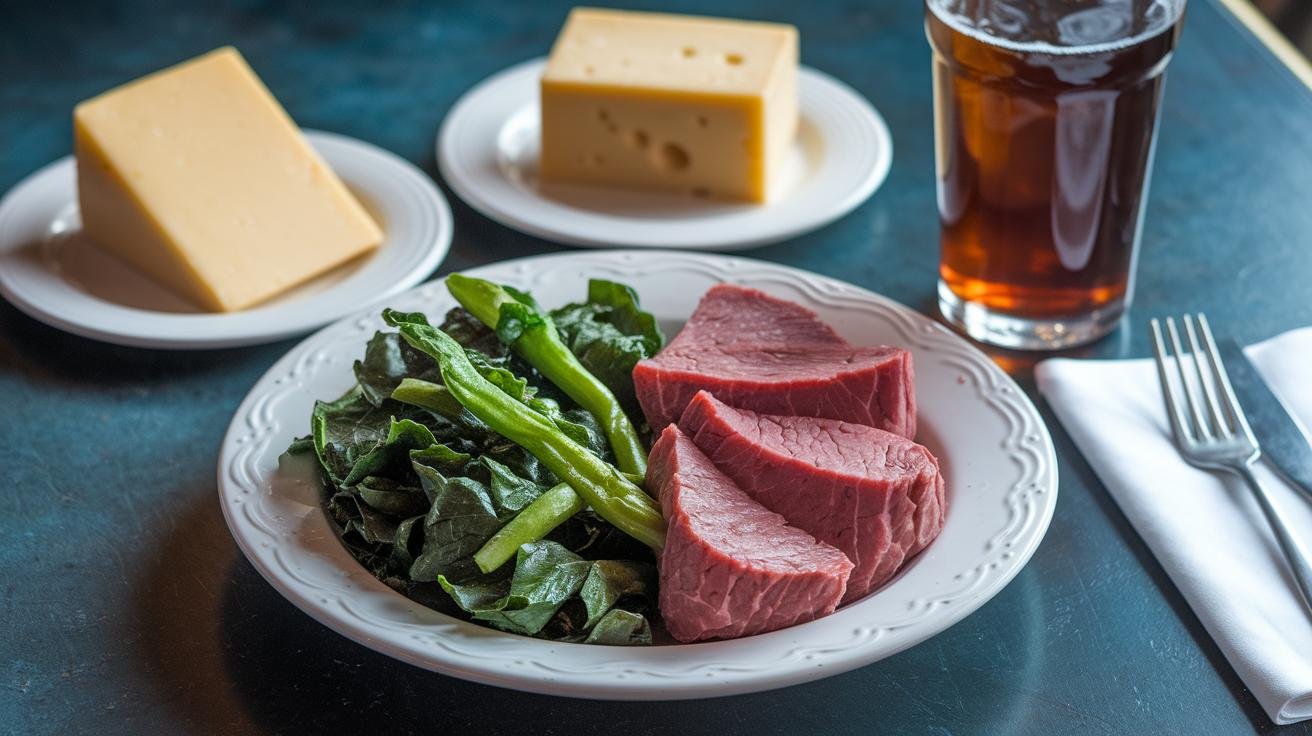
"A single salad can cut the acid load of your dinner in half." Nice, right? Think of foods as helpers or challengers for your body's acid load. PRAL (potential renal acid load) is a simple way to rank foods by how much acid they leave your kidneys to handle. Simple.
Ever notice your energy dip midday? Changing a few foods might help.
Quick meal planning tips:
- Aim for about 60% to 80% alkaline-forming foods each day. Targets vary by source and by individual health needs, so check with a registered dietitian for personalized guidance.
- Pair smaller portions of acid-forming proteins with big plates of non-starchy vegetables. A crisp pile of greens makes a meal feel lighter and lowers the overall acid load.
- Make tiny swaps: reach for fruit, nuts, or raw veggies instead of sugary or refined snacks. Small changes shift your daily balance fast.
- Think in layers. Start with a base of leafy greens, then add a modest protein, then colorful veggies and a squeeze of lemon for brightness. Yum.
One-line acidic foods summary:
Common acid-forming items include red meat, processed grains, sugar, soft drinks, white flour products, and rich cheeses.
When to talk with a clinician:
If you have persistent symptoms like ongoing fatigue, frequent digestive trouble, regular headaches, muscle aches, or slow recovery, check in with a healthcare professional. These signs can come from many causes. You can try dialing back high-PRAL foods short-term while you seek advice, but let a clinician guide care for persistent or worsening symptoms.
Quick tip before you go: swap one processed snack for a piece of fruit today. Tiny wins add up.
Steps to Build and Print Your Custom Alkaline Foods Chart

Want a printable alkaline foods chart you’ll actually use? Cool, let’s make one that’s simple, clear, and fridge-ready.
-
Gather PRAL and pH info for the foods you care about.
Collect PRAL (potential renal acid load, a measure of how acid-producing a food is) per 100 g and any pH values you want to show (pH is how acidic or alkaline something is). Keep a short master list: food name, category, PRAL (mEq/100 g), pH, and a common serving size. Picture a tidy list you can scan in seconds. -
Set up a spreadsheet (Google Sheets or Excel).
Make columns for Food, Category, PRAL (mEq/100 g), pH Value, and Color Code. Add conditional formatting (auto color rules in Sheets or Excel) so rows fill green/yellow/red when PRAL passes the cutoffs you choose. Use readable fonts and larger text for the foods you use most. -
Group items into acid / neutral / alkaline zones.
Sort from highest positive PRAL to the most negative. Or use filters and separate tabs for each zone. Label each group clearly so you can tell at a glance where something falls. Quick scan. Done. -
Export and print or make a magnet for the fridge.
Export as PDF in a readable layout (8.5 x 11 is standard) or pick a custom magnet size. Laminate the sheet or order a printed magnet so it survives spills and sticky little fingers. The smooth magnet on your fridge feels nicer than you’d think. Um, trust me.
Customize it to fit your goals.
Shift PRAL cutoffs, add family favorites, tweak color shades, or show serving-size notes. Small tweaks make the chart feel personal and actually usable. Want a hand choosing cutoffs or color rules? I can help.
Applying the Alkaline Foods Chart in Meal Planning
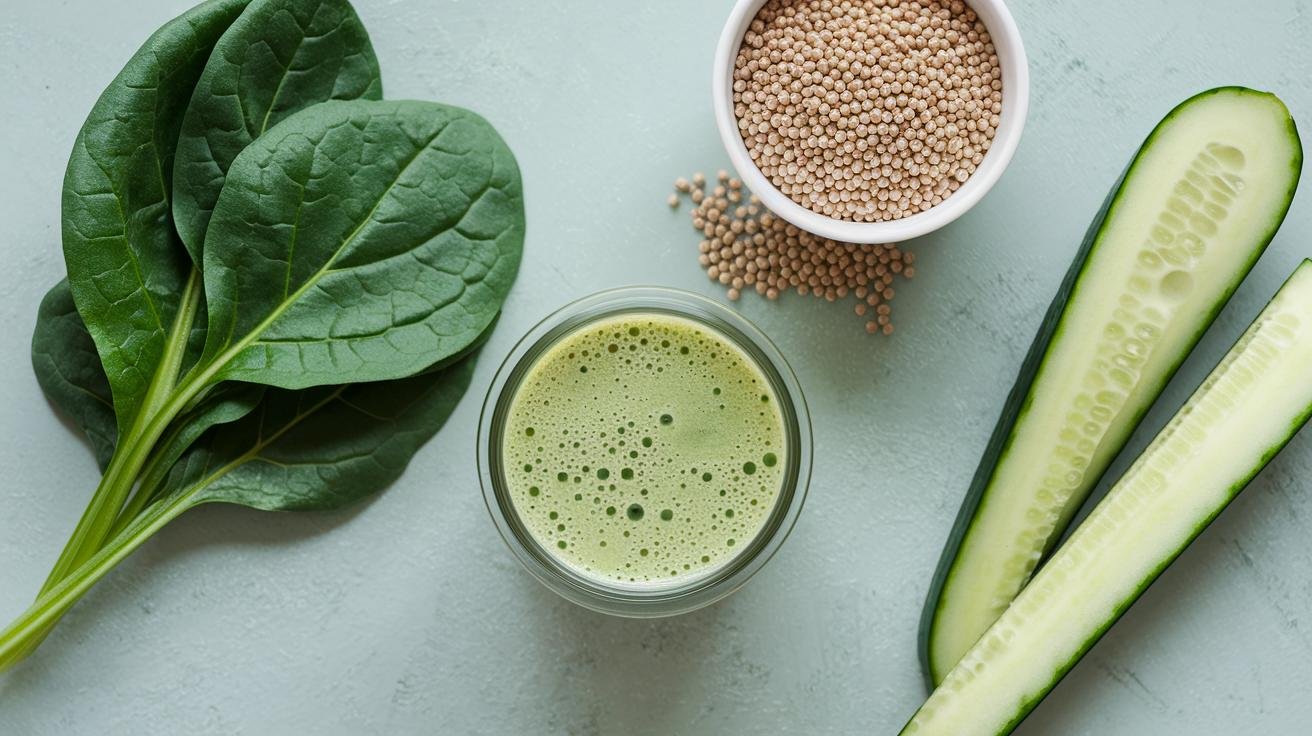
Try a simple two-day plan to get the hang of the chart categories and see what to swap and when. It’s easy. And you can tweak it for taste.
Day 1
Breakfast: warm steel-cut oats with a big handful of wilted spinach and sliced almonds.
Lunch: grilled salmon with a mixed salad of non-starchy veggies. Crisp, fresh.
Dinner: brown rice, steamed broccoli, and a small scoop of beans. Light and steady.
Day 2
Breakfast: creamy millet porridge with chopped kale and berries.
Lunch: modest chicken breast over cucumber and bok choy.
Dinner: barley with roasted carrots, zucchini, and a squeeze of lemon. Yum.
Aim to have about 80% alkaline-forming items each day so meals feel light and balanced. Ever noticed you feel less sluggish when your plate is mostly veggies? Me too.
Quick alkalizing smoothie: blend raw spinach, cucumber, banana, a splash of lemon, and cold water or ice. Bright, creamy, easy to sip after a workout. Pure refreshment.
Snack ideas that nudge your PRAL totals down: a small handful of almonds, celery sticks with mashed avocado, or cool melon cubes. These little bites keep you satisfied without adding a heavy acid load.
Keep the chart handy and scale portions using PRAL per 100 g (PRAL = potential renal acid load, a measure of how acid-forming a food is) when you plan. If a meal includes a higher-PRAL protein, add extra greens or fruit to lower the net load. Simple swaps work wonders.
More greens. More fruit. Modest protein. Do that and an alkalizing week feels natural, not strict. Wait, let me rephrase that , small, steady changes are what stick.
Final Words
Start with the chart’s columns: Food, Category, PRAL (predicts net acid load after digestion), pH (how acidic or alkaline something is), and a color code, green for alkaline, yellow for neutral, red for acidic. Spinach (PRAL −14.0) sits deep green; cheddar (+26.0) is a clear red.
Use the table, the meal tips, and the print steps to plan smoothies, post-workout plates, or a kitchen magnet. Wait, let me rephrase that, make it part of your routine.
Keep this alkaline foods chart handy and you’ll likely notice better recovery, less bloat, and brighter skin. Small wins add up.
FAQ
What are the most alkaline foods?
The most alkaline foods are leafy greens and many fruits. Examples include spinach (PRAL −14.0), kale (−7.0), banana (−5.0), watermelon (−4.5), lemon (−2.5), and avocado (−1.8).
Is cucumber acidic or alkaline?
Cucumber is alkaline-forming, with a PRAL around −1.2. A crisp, cool slice adds mild alkalinity to salads, smoothies, or a refreshing glass of infused water.
Is pasta acidic or alkaline?
Pasta is generally acid-forming, especially refined white pasta. Whole-grain pasta sits closer to neutral but still tends to be less alkaline than most vegetables.
Where can I get a free printable alkaline food chart or PDF?
Free printable alkaline food charts and PDFs appear on many nutrition sites and blogs, or you can build your own in Google Sheets, color-code PRAL values, then export as a PDF.
Are there Indian or Dr Sebi alkaline food list PDFs?
Yes, Indian regional lists and Dr Sebi alkaline PDFs circulate online. Check source credibility, compare PRAL per 100 g, and adapt items to your personal chart before following them.
What is PRAL and why does it matter?
PRAL (potential renal acid load) estimates a food’s net acid or alkaline effect after digestion, using nutrient data per 100 g, and helps predict how foods influence overall dietary acid load.