Alkaline Diet Promotes Balanced Body Ph
Think drinking alkaline water will flip your blood pH (how acidic or alkaline something is)? Not really. A crisp, cool sip might feel refreshing, but it won’t sway your blood’s tight balance. Wait, let me rephrase that…
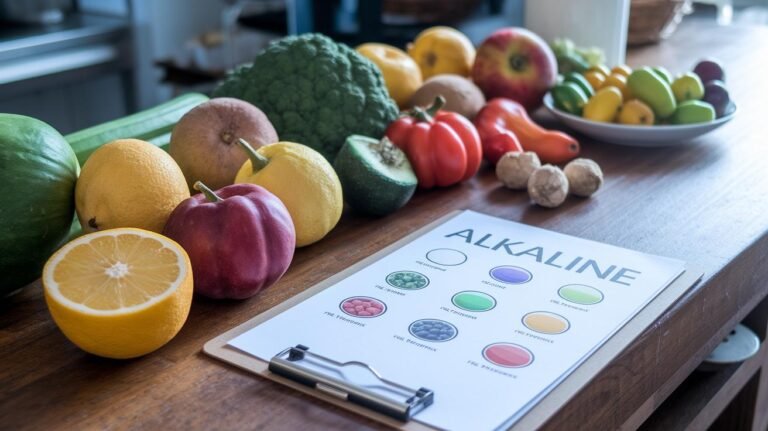
What eating mostly alkaline foods can do is steer your meals toward fruits, leafy greens, nuts, and beans. If about 70 to 80 percent of your plate is those foods, you’ll nudge things like urine pH and, more importantly, start making healthier daily choices. Like picking a big salad over a greasy sandwich. Simple.
Your blood’s pH is kept steady by your lungs, kidneys, and built-in chemical buffers. They do the heavy lifting, so short-term food or water changes won’t rewrite your blood chemistry. Hmm.
So here’s the idea: the alkaline-style diet isn’t about forcing blood pH to change. It’s a gentle, tasty way to favor plants and cut back on processed stuff, without freaking out over blood numbers. Ever notice your energy shift after a week of more greens? I did.
Alkaline Diet Promotes Balanced Body Ph
The alkaline diet suggests you eat about 70 to 80 percent alkaline foods, mostly fruits and vegetables, to support overall health. pH (how acidic or alkaline something is) matters in the conversation, but your body keeps its blood pH very tightly controlled, so don’t panic.
The diet groups foods by the pH effect they leave after digestion, often called the food’s ash (the mineral residue left behind). Alkaline-forming items include most fruits, leafy greens, cruciferous vegetables, many nuts, and legumes. Acid-forming ones tend to be meats, dairy, processed foods, sugar, and caffeinated drinks. Funny fact: citrus tastes tart, but many lists mark it as alkaline-forming because of the ash it leaves. Lists do vary, though, so you’ll see some differences from source to source.
People who follow the plan try to pick alkaline-forming foods at most meals. The idea is simple: center your plate on plants and plant proteins, and cut back on animal and highly processed choices. Think of it like swapping a burger for a big salad with beans and nuts. Practical. Easy to remember.
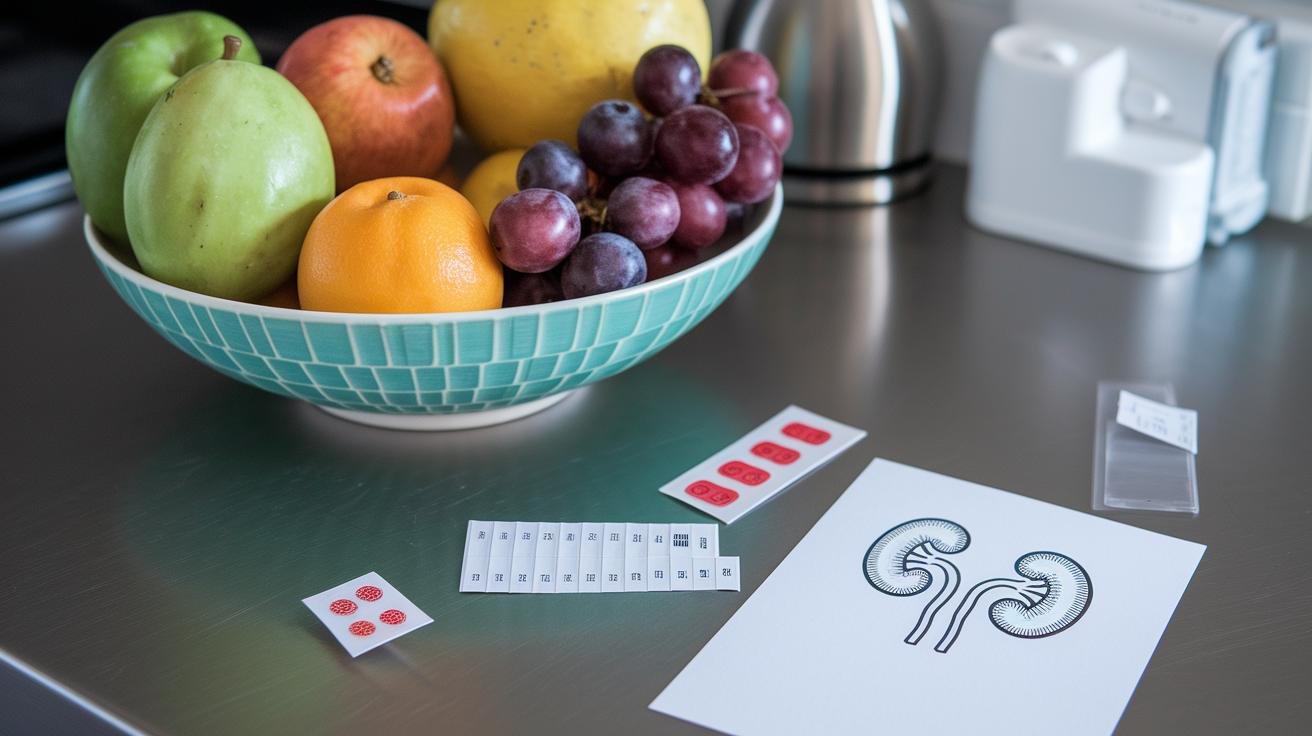
In truth, your body has systems that keep blood pH around 7.35 to 7.45. The lungs change breathing to adjust carbon dioxide levels, and the kidneys remove or hold onto acids and bases (renal excretion is how kidneys get rid of acid). Blood buffers also soak up small swings. So what changes after a meal mostly shows up in urine or saliva pH for a short time, not in your blood.
So the usual meal guideline, about 70 to 80 percent alkaline foods and 20 to 30 percent acid foods, is really a practical rule of thumb for planning meals. It nudges you toward more produce and fewer processed things. Simple. Tastes better, too.
Alkaline Diet Food Categories: Alkaline vs. Acid-Forming Foods
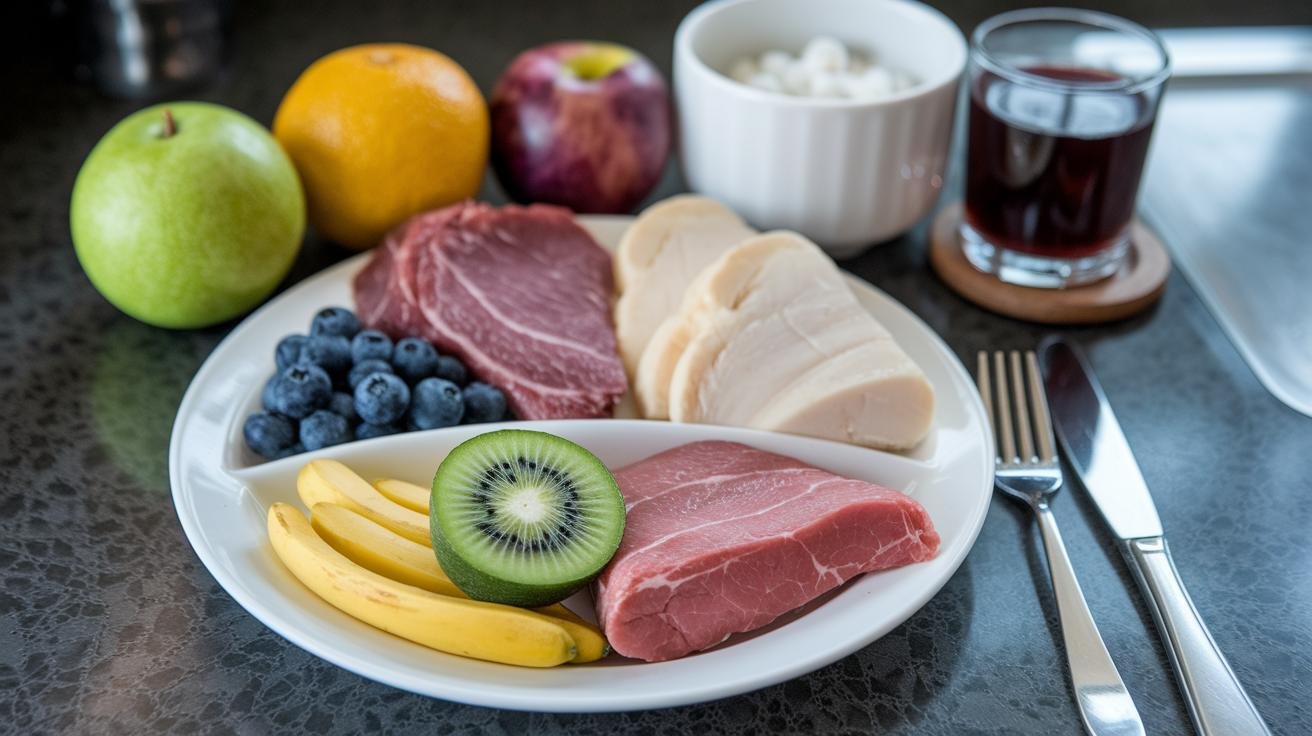
Quick, practical guide: fill most of your plate with fruits, vegetables, nuts, and beans. Keep healthy fats and starchy foods in the neutral zone. Enjoy meat, dairy, and processed snacks in smaller amounts. See the earlier "how foods affect acidity" section for the science.
The table below gives a handy snapshot with approximate PRAL (Potential Renal Acid Load) ranges. PRAL is a rough measure of how acid- or alkaline-forming a food is (negative numbers tend to be more alkaline-forming). Values change by source and cooking method, so treat these as guides, not strict rules. Ever noticed how you feel lighter after a big salad? Hmm.
| Category | Typical Examples | Approx PRAL (per 100g) | Typical Portion |
|---|---|---|---|
| Alkaline-forming | Spinach, kale, broccoli, berries, melon | -2 to -14 (more negative = more alkaline) | 1–2 cups vegetables or 1 cup fruit |
| Neutral | Olive oil, potatoes, rice | -1 to +1 | 1 tbsp oil or 1/2–1 cup cooked starch |
| Acid-forming | Beef, pork, cheese, processed snacks | +5 to +12 (positive = more acid) | 3–4 oz meat or small snack portions |
Heads up: lists and PRALs vary by study and how foods are cooked or processed. Use this for quick meal planning, and tweak it to fit how you feel and what you like.
Sample Alkaline Diet Meal Plan and Recipe Ideas
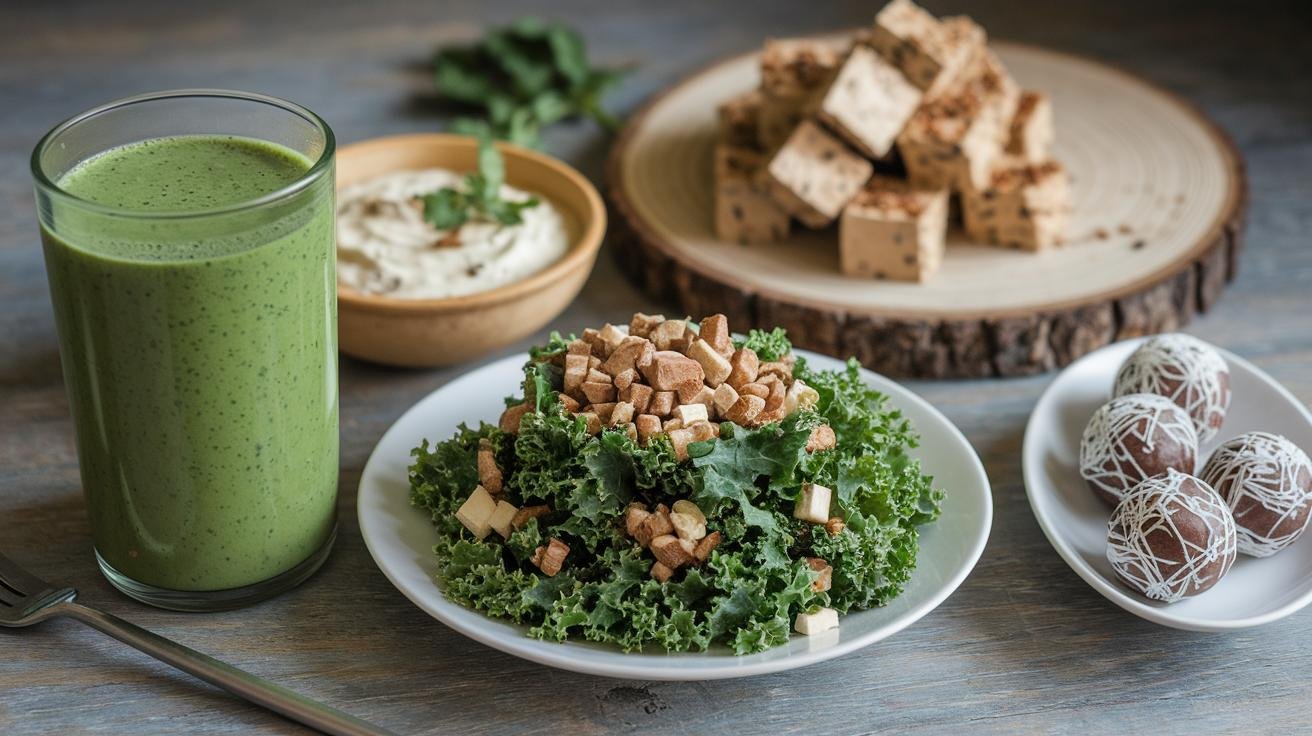
Think of each meal like a simple plate: lots of leafy greens or colorful veggies, a plant-based protein, a little healthy fat, and a fruit or whole grain for steady energy. Alkaline here just means less acidic (think more greens and fewer processed foods). Start small. Swap one meal a day or just switch one ingredient per meal and build from there.
-
Berry-Green Alkaline Smoothie
A crisp, cool sip: handfuls of spinach, mixed berries, a frozen banana, almond milk, and a spoonful of chia seeds. Bright and easy. Great for mornings or right after a workout. -
Quinoa & Kale Salad Bowl
Fluffy quinoa, chopped kale massaged with lemon, roasted sweet potato, chickpeas, and sliced almonds. Drizzle olive oil and apple cider vinegar for a tangy finish. Satisfying and colorful. -
Creamy Almond & Spinach Soup
Sauté onion and garlic until soft, add vegetable broth, toss in blanched spinach and soaked almonds (soaked almonds make a silkier texture), then puree until smooth. Comfort food that’s gentle on the stomach. Pure refreshment. -
Grilled Vegetable & Tofu Stir-Fry
Zucchini noodles or ribboned carrots, bell peppers, marinated tofu, and a light tamari-ginger sauce. Quick pan-sear for a little char and texture. Fast weeknight win. -
Date-Nut Energy Balls
Dates, almonds, a pinch of sea salt, and shredded coconut pulsed together. No baking required. Perfect for midday cravings or a post-walk nibble.
Swap freely by season or taste. Use lentils instead of chickpeas, or sunflower seeds for almonds. Keep portions mindful so meals feel satisfying without overdoing it. Ever noticed how small tweaks make a big difference? I did, and I kept coming back to the simple green bowl.
Potential Health Claims and Benefits of an Alkaline Diet
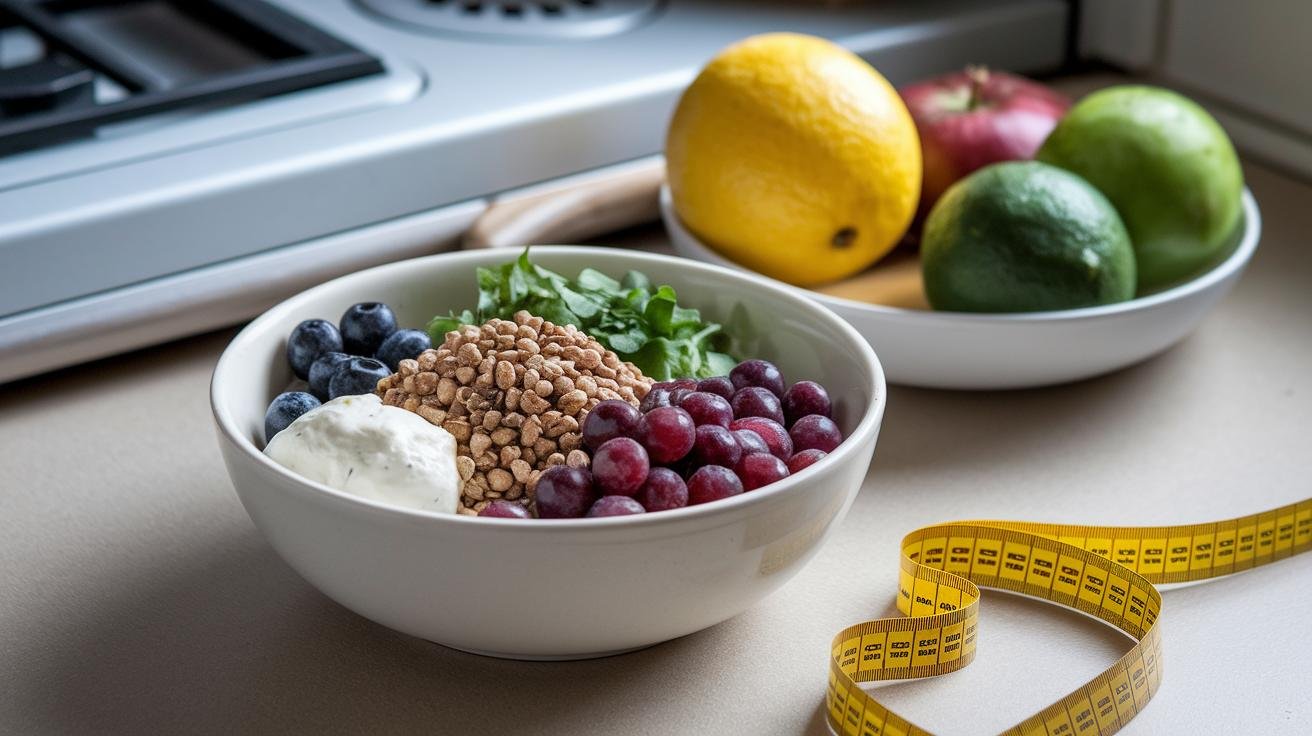
A lot of people talk about the alkaline diet as a way to lose weight. Fans say eating mostly fruits, veggies, nuts, and beans cuts calories and cravings. And yeah, that often works. You’re just ditching processed foods and added sugar and eating more fiber. Fiber fills you up on fewer calories. That swap, not some magic pH change, explains most of the scale drops. Ever noticed you feel lighter after a week of simpler meals?
People also link the alkaline diet to stronger bones. The idea is that eating fewer acid-forming foods protects bone minerals by lowering acid load. Science is mixed on that. Any bone benefit probably comes from eating more fruits and vegetables and from getting enough calcium and vitamin D, not from changing your blood pH (pH means how acidic or alkaline something is). Speaking of kidneys, some folks say alkaline eating lowers kidney stone risk. That one has a bit more logic: more produce can raise citrate (a compound that helps stop some stones) and ups your fluid intake, which can lower certain stone types.
Beyond weight and bones, you’ll hear people claim clearer skin, shinier hair, steadier energy, and sharper thinking. Those wins usually line up with drinking more water, cutting alcohol and junk food, and eating whole foods, basically better nutrients and hydration. I once noticed my skin looked brighter after a week of cutting soda. Hmm.
If you want these perks, focus on real food and variety. Make sure your meals include good protein, calcium, vitamin B12 and vitamin D. Think lean meats, dairy or fortified plant milks, beans, nuts, and a rainbow of fruits and veg. And drink water. Simple swaps beat quick fixes every time. Um, try it for a month and see how you feel.
Alkaline Diet Promotes Balanced Body Ph
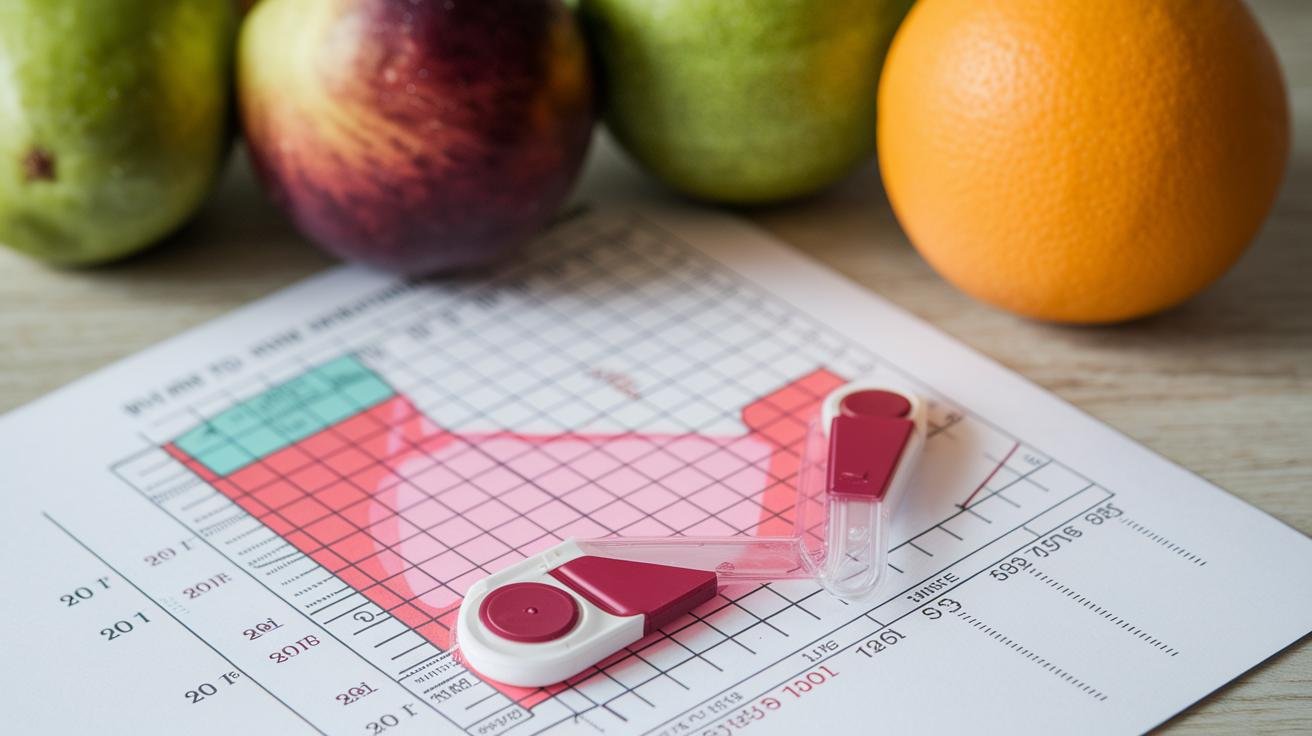
Ever wondered if an alkaline diet can actually change your blood pH (how acidic or alkaline something is)? The body keeps blood pH tightly around 7.35–7.45 through breathing, the kidneys, and buffer molecules, so normal meals don’t move that number much.
When you see pH shifts after eating, it usually shows up in urine or saliva because the body is getting rid of extra acids or bases. Those tests reflect temporary excretion, not a change in your blood chemistry.
Clinical reviews and guidelines find little proof that changing your diet to alter blood pH gives direct health benefits. Most of the good effects people report from “alkaline” eating come from eating more fruits and veggies and cutting processed foods (Schwalfenberg 2012). So if you feel better after switching your diet, it’s probably because your food choices improved. That said, people with kidney disease or known acid–base disorders should talk with a clinician before making big diet changes (KDIGO clinical guidance).
Nutritional Risks and Who Should Use Caution on an Alkaline Diet
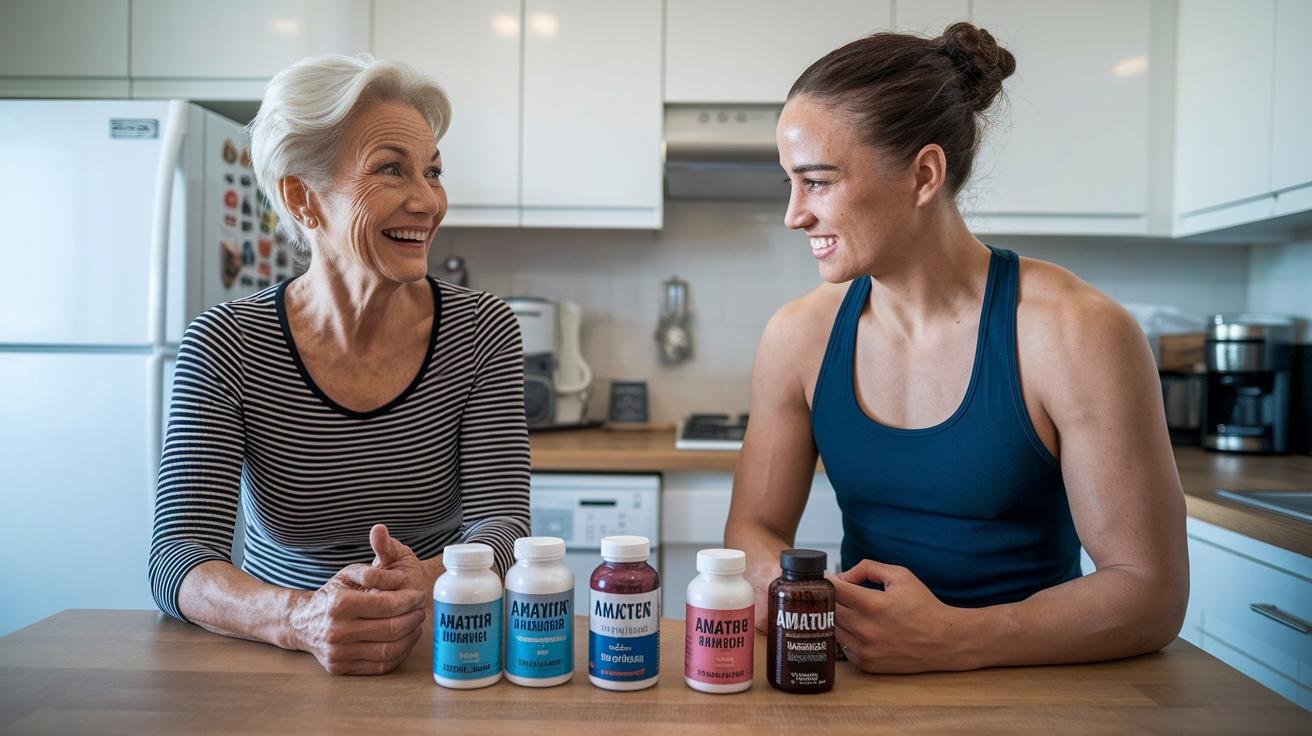
Cutting out animal products and dairy without a plan can leave big nutrient gaps. Some people eating that way get as little as 550 mg of calcium a day, which is low. Low calcium, low vitamin B12 (a vitamin your nerves and blood need), and low protein often show up as tiredness, brittle nails, and slower muscle repair. Ever noticed your energy dip midday? That could be a sign.
Postmenopausal women have extra reason to watch calcium and vitamin D, because bone density (how strong your bones are) can fall without them. Electrolyte balance (minerals like sodium and potassium that help muscles and nerves work) can shift too, especially if fluid needs aren’t met or if someone is on diuretics or has kidney disease. That can make you feel off , dizzy, weak, um, just not right.
If you train hard, you’ll need steady carbs and enough protein to perform and recover. Strict plant-heavy plans can come up short unless you track calories and protein on purpose. Possible side effects: low energy, muscle loss, slower recovery, and in some cases, anemia from missing nutrients.
Pregnant or breastfeeding people, older adults, and anyone with chronic health conditions should check with a clinician before big diet changes to avoid problems with vitamins, minerals, or medication interactions. A dietitian can help build a simple, varied plan using fortified foods or targeted supplements so you get the benefits of more plants without the gaps. Practical and less stressful.
Implementing and Sustaining an Alkaline Diet: Tips and Monitoring
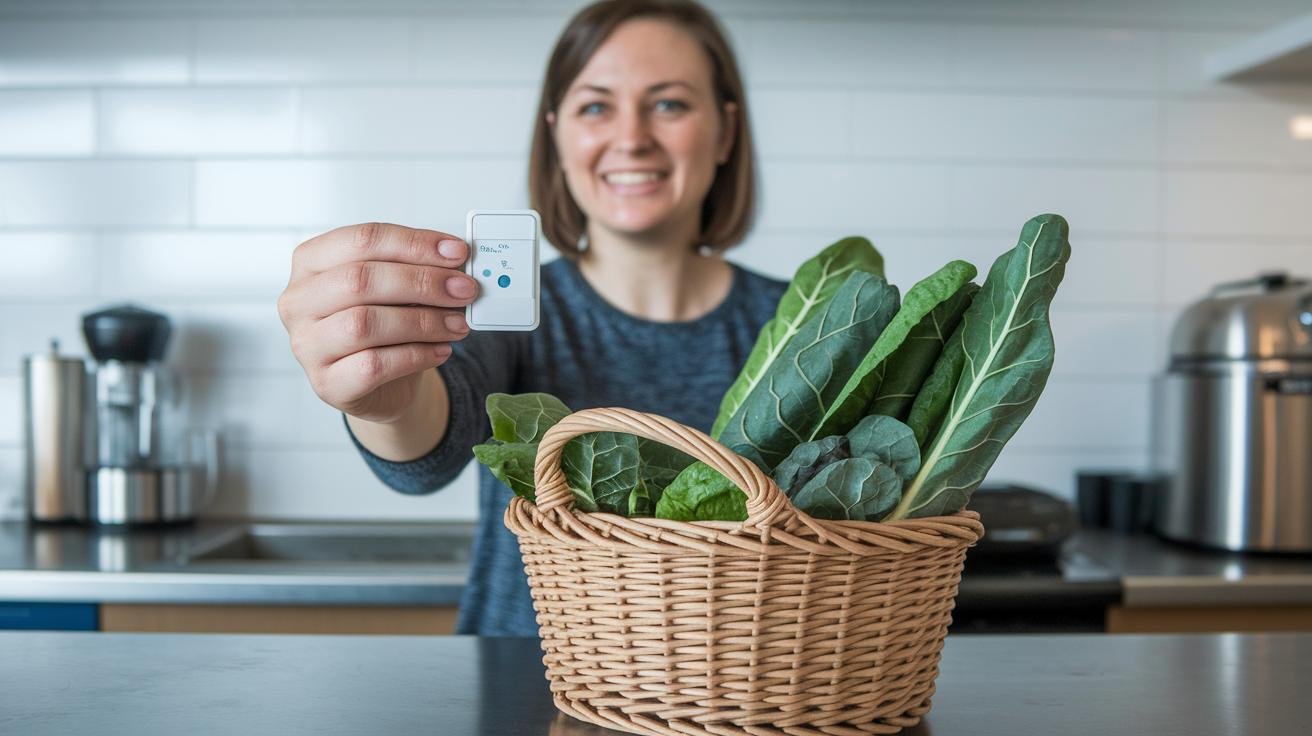
Start simple. Move slowly from a 60/40 to an 80/20 alkaline-to-acid ratio over a few weeks, not overnight. That means most of your plate is alkaline foods, think greens, fruits, and veggies, while you still enjoy some animal or acidic foods now and then. Small swaps add up: an extra cup of greens at lunch, a fruit snack instead of chips. You’ll notice the little wins.
Gradual dietary changes help you stick with it. Begin by making one meal a day mostly alkaline. Replace a meat-heavy lunch with a big salad that has beans, nuts, and a whole grain. The salad could have a soft crunch of spinach, a handful of chickpeas, and warm quinoa. Yum. Each week, add another veggie portion or swap one animal-protein meal for a plant-protein option.
Keep portions steady. Aim for about half your plate as vegetables, a quarter as plant protein (tofu, lentils), and a quarter as whole grains or starchy veg. These simple rules make the shift doable without feeling deprived.
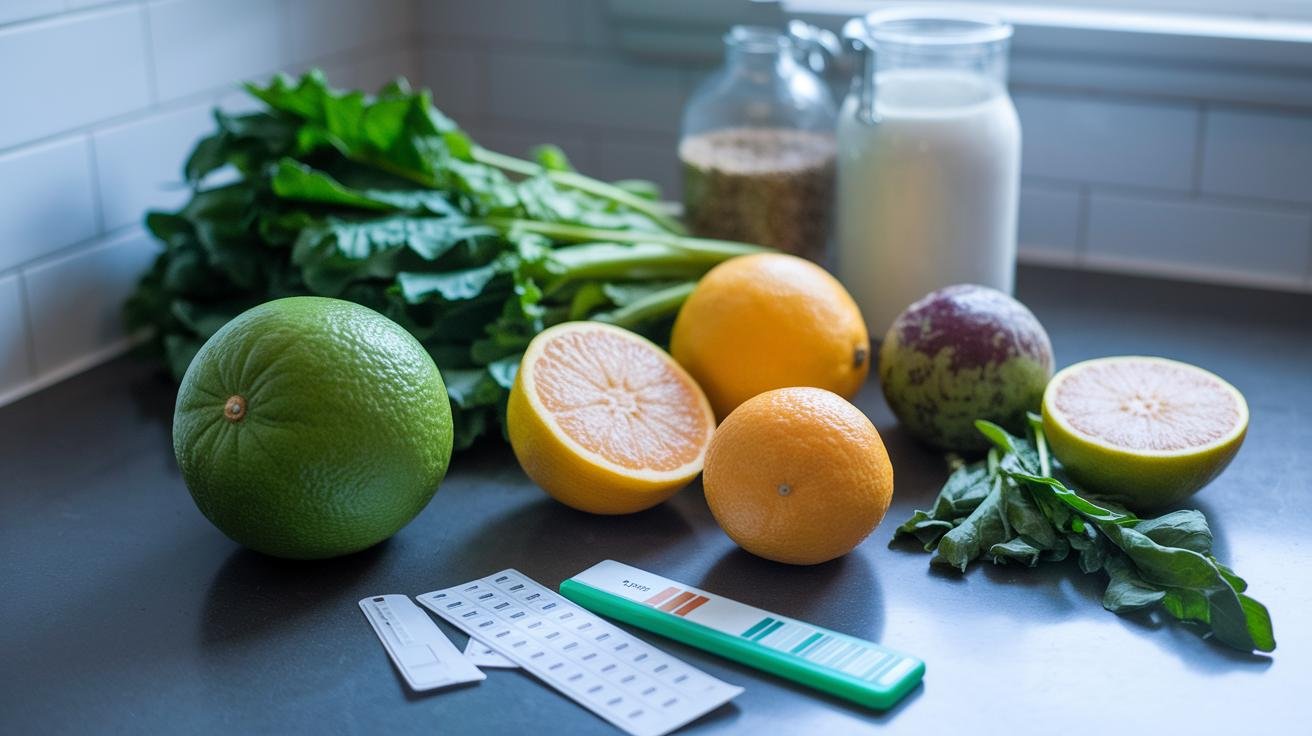
Monitoring pH levels can help you learn patterns, this is about awareness, not changing your blood chemistry. Try at-home pH test strips for urine or saliva and test at the same times each day. Many people check first thing in the morning and again mid-afternoon to see a pattern. pH (how acidic or alkaline something is) readings show what your body is excreting, not blood pH, so don’t freak out about a single result. Look for slow changes over days and weeks.
Keep a tiny log: date, time, what you ate, and how much you drank. That simple note-taking helps you spot links between meals and pH shifts. It’s low-effort and oddly satisfying.
Smart grocery shopping makes this easy. Map the produce section and plan meals around seasonal greens. Read labels to cut added sugars and too much sodium. Stock these alkaline staples: spinach, kale, broccoli, berries, melons, almonds, lentils, chickpeas, tofu, and a few whole grains. Frozen vegetables and canned beans are fine, convenient and nutritious. Fortified plant milks are great too.
Rotate your pantry so you don’t eat the same bowl every day. Try canned beans one night, lentils the next, then a tofu stir-fry. Simple swaps keep meals interesting. Speaking of mornings, have you tried a greens smoothie with a crisp, cool sip of spinach and fruit? Nice way to start.
Make sure you stay balanced. Combine plant proteins, beans plus grains or tofu plus nuts, to cover amino acids. If you train hard, watch total protein and adjust. Consider fortified foods or targeted supplements for calcium and vitamin B12 when you cut back on dairy or animal products. Those nutrients matter.
Pregnant people, older adults, athletes, and anyone with chronic conditions should check with a dietitian or clinician before big changes. Get personalized guidance and bloodwork if needed. It’s smart. Really.
I once swapped two lunches a week for plant-based bowls and felt lighter after a few weeks. You might too. Try it, see how you feel, and tweak as you go.
Comparing Alkaline Diet to Other Popular Eating Patterns
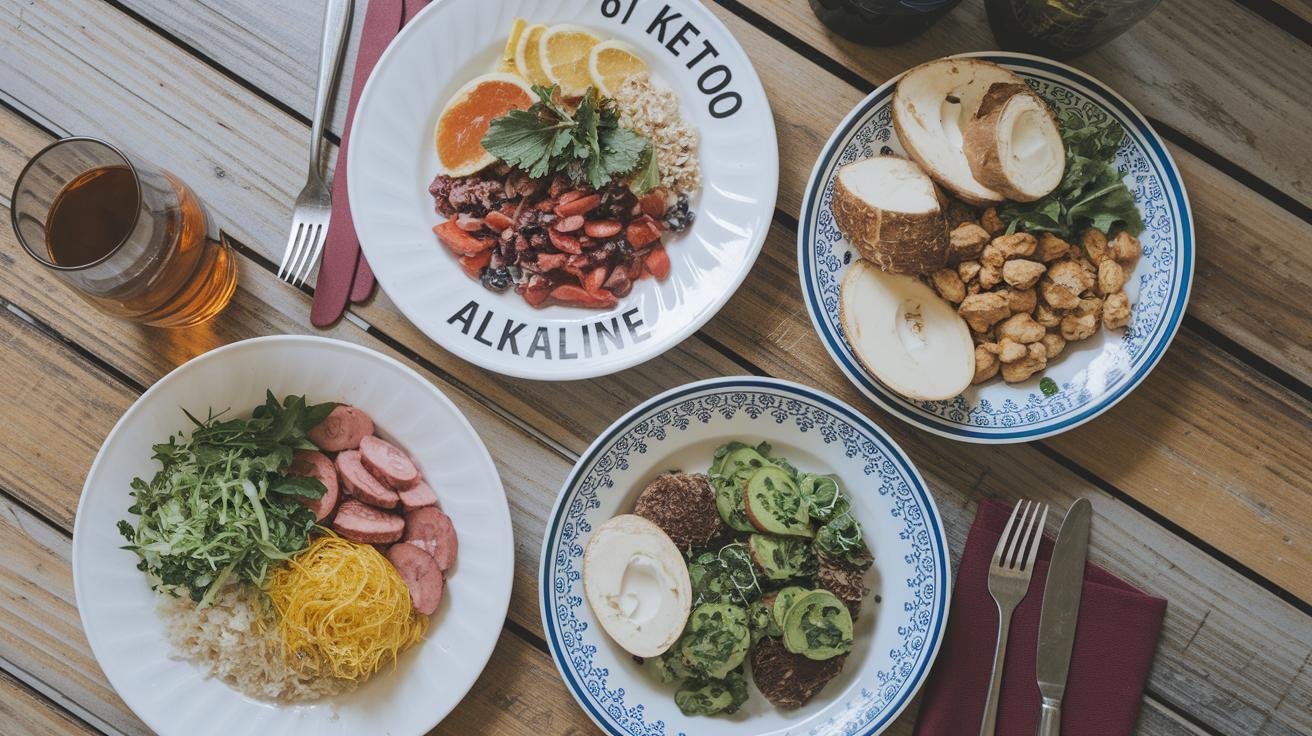
The alkaline diet focuses on food ratios, lots of fruits, vegetables, nuts, and legumes, rather than strict macro rules. It nudges you toward whole foods and away from processed stuff. Think crisp, cool bites of salad and a bowl of beans rather than heavy packaged meals. Alkaline here means less acidic, tied to pH (how acidic or alkaline something is).
Compared to keto vs alkaline, the difference is obvious. Keto (very low carb, high fat) aims to shift your metabolism for weight loss or seizure control. It can cut back on some veggies and fruits because of carbs. Alkaline eating lets carbs come from whole grains, fruits, and legumes, so you can get steady energy for workouts and long days.
Alkaline vs Mediterranean is closer. Both favor plants. Mediterranean leans on moderate fish and meat, olive oil, and whole grains, and it has strong heart-health research behind it. Alkaline pushes you toward even more greens and fewer animal products, but it doesn’t set specific fat or carb limits the way Mediterranean does. Picture a warm drizzle of olive oil on whole grain toast. Yum.
Alkaline vs vegan, though, are similar in vibe but different in rules. Vegan excludes all animal products and means you’ll watch B12 (a nutrient mostly in animal foods), iron, and sometimes protein more closely. Alkaline can include small amounts of animal foods and focuses on balancing alkaline-to-acid ratios (pH) instead of banning whole groups. Pick by your goals, heart health, athletic performance, ethics, or just easier habits.
Want a simple test? Try swapping one meal a week and see how you feel. Hmm. I found small changes stick better than big overhauls. If you’re thinking about a big switch, check with a registered dietitian or your doctor about nutrients and supplements.
Final Words
We laid out the basics: aim for 70–80% alkaline foods, learn which items form alkaline or acid ash, try the sample meals, and weigh the claims against the science.
You saw how lungs and kidneys keep blood pH steady, why urine pH can change without altering blood, and which nutrients to watch like calcium, B12, and protein.
Try a gradual shift, track pH if you want, swap in more greens and plant proteins, and talk with a pro for personal needs. Give the alkaline diet a try and enjoy the small, refreshing changes.
FAQ
What is The 21-day Alkaline Diet?
The 21-day Alkaline Diet is a short plan that emphasizes 70–80% alkaline-forming foods like fruits and vegetables to shift eating habits, using gradual swaps and focused meal structure for three weeks.
What are alkaline diet recipes, meal plans, and alkaline breakfasts?
Alkaline diet recipes are meals built around alkaline-forming foods, like berry-green smoothies, quinoa-kale salads, almond-spinach soup, tofu stir-fries, and date-nut balls. Breakfasts favor smoothies, fruit bowls, and greens.
How do I start an alkaline diet as a beginner?
To start an alkaline diet as a beginner, aim for a 60/40 alkaline-to-acid split, add more vegetables each week, choose whole foods, and use urine pH strips to guide gradual changes.
What foods are considered alkaline and what is the number one alkaline food?
Alkaline foods include leafy greens, citrus, berries, melons, almonds, lentils, chickpeas, avocado, cucumbers, and broccoli. The top choice is usually leafy greens like spinach or kale.
How can I quickly alkalize my body?
To quickly alkalize your body, eat a large green smoothie or salad, swap processed snacks for almonds or beans, drink more water, and monitor urine pH strips. Blood pH stays tightly regulated by kidneys and lungs.
What are the cons of the alkaline diet?
The cons of the alkaline diet include possible low calcium, vitamin B12, and protein if animal foods are limited, bone-density risk for some people, and reduced performance for athletes needing more carbs and protein.
What benefits does the alkaline diet claim to offer?
The alkaline diet claims benefits like weight loss, better bone health, fewer kidney stones, clearer skin, more energy, and mental clarity. Often weight loss comes from eating fewer calories and less processed food.
Where can I find community experiences about the alkaline diet, like on Reddit?
Reddit offers personal stories, recipes, tips, and progress posts about the alkaline diet. Use those threads for practical ideas, but treat stories as anecdotal and check facts with trusted sources or a clinician.