White Vinegar And Water All Purpose Cleaner Works
What if your go-to cleaner was a $1 bottle of white vinegar?
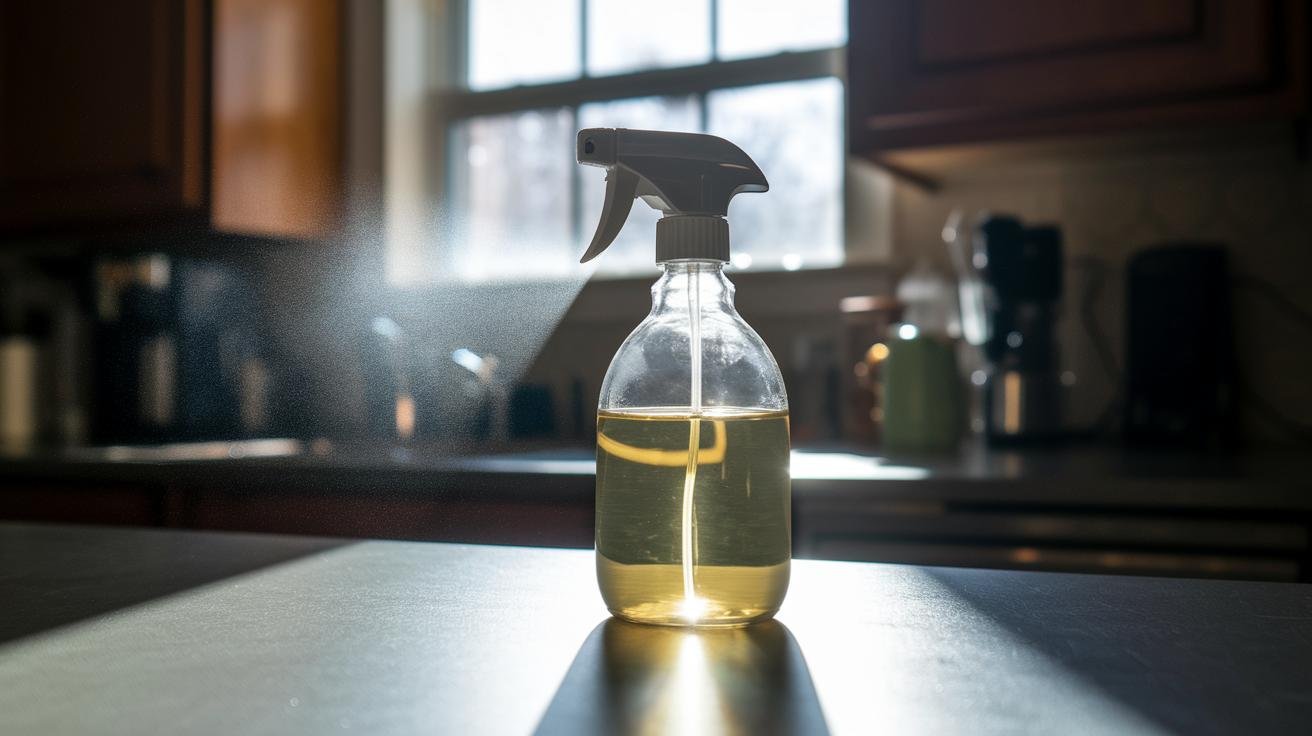
Mix equal parts , one cup white vinegar (about 4 to 6 percent acetic acid, the stuff that cuts grime) and one cup water. You’ll have a quick, natural spray for kitchen spills, glass, and coffee stains. Pure refreshment for your countertops.
It’s non-toxic and cheap. Um, I once wiped a grimy stove and it looked like new after one swipe. Nice, right?
This 1 to 1 vinegar-and-water mix is great for everyday wipes and fighting mineral buildup on faucets. But don’t use it on marble or waxed wood. If you’re unsure, try a small test spot first.
White Vinegar And Water All Purpose Cleaner Works
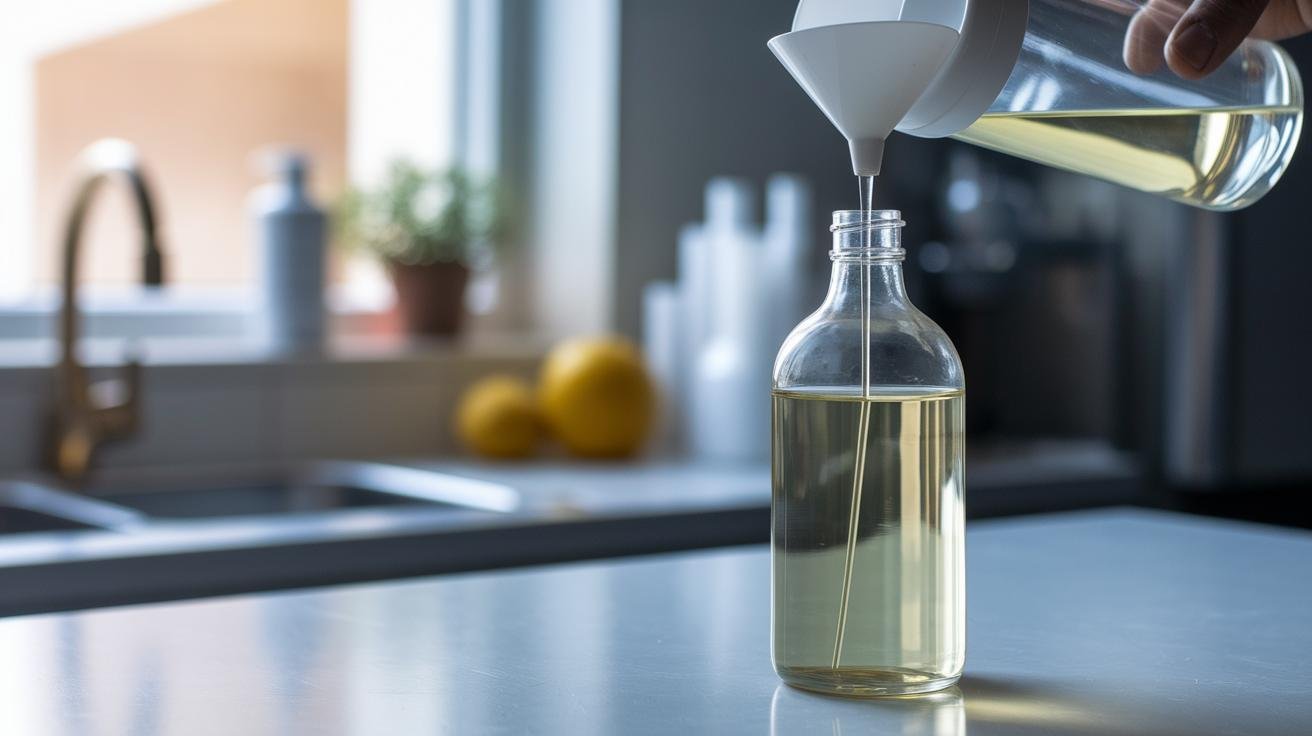
This vinegar-and-water cleaner is fast, natural, and oddly useful. It’s great for everyday wipes, kitchen spills, and quick fresh-ups. White vinegar usually has 4 to 6 percent acetic acid (that’s the stuff that does the cleaning), so mixing it with water turns ordinary tap water into a non-toxic household cleaner you can feel good about.
- Gather your supplies: 1 cup distilled white vinegar, 1 cup water, a 16-ounce spray bottle, a funnel, and a label.
- Rinse the spray bottle. Insert the funnel and pour in the vinegar.
- Add water. Use filtered water if you’ll use it the same day, or distilled water (no minerals) if you plan to store the bottle.
- Screw on the nozzle and shake gently to mix. Done.
- Label it “Vinegar + Water Cleaner” and add the date.
- Store in a cool, dark spot.
Aim for a 1 to 1 ratio of vinegar to water for general cleaning, one cup vinegar to one cup water. For light jobs, add more water. For greasy spots or mineral buildup, keep it 1 to 1 or use full-strength vinegar on a cloth for targeted areas.
Spray the surface, wipe with a microfiber cloth, and enjoy a bright, clean finish. You’ll notice a sharp, tangy scent at first that fades quickly, um, in a few minutes, leaving things smelling fresher than before.
A few tips: test an inconspicuous spot first. Don’t use this on natural stone like marble or granite, on waxed wood, or on some sealed finishes, acidity can harm them. For sticky messes, let the solution sit a minute, then scrub lightly. For glass, buff with a dry cloth to avoid streaks.
Ever noticed cloudy rings on your coffee mugs? This cleaner helps with that. Same with kettle mineral rings, vinegar cuts through buildup. I once cleaned a grimy stove top with this and it looked surprisingly new after one pass.
Simple, safe, and low-cost. Pure refreshment.
Selecting Distilled White Vinegar and Water for Cleaner Prep
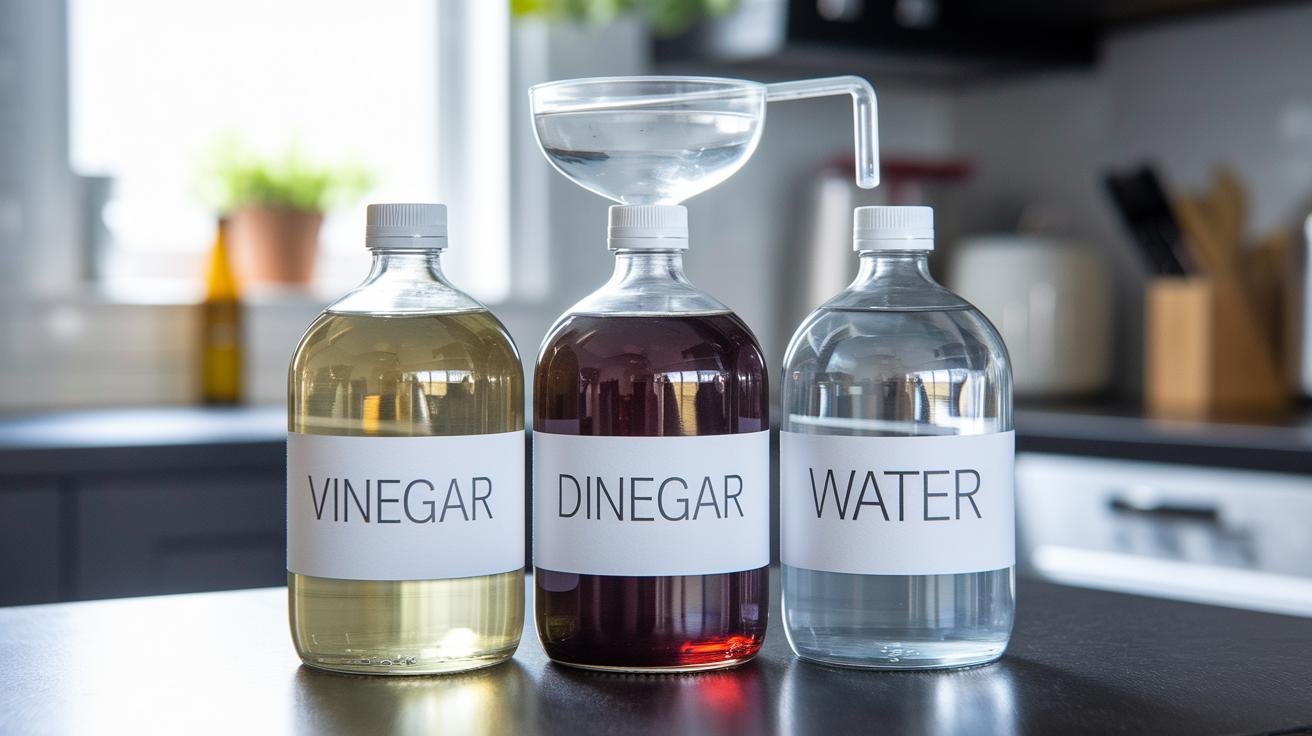
Use distilled white vinegar. It's clear, consistent, and won't stain or leave behind sediment. A crisp, clean scent, no surprises.
For mixes you'll use right away, use filtered tap water. For bottles you plan to store, use distilled water (water boiled, condensed, and collected to remove minerals). That helps keep the mix stable over time and prevents cloudy buildup. Ever mixed a cleaner and found a film days later? Yeah, this helps.
Addendum – Container tips:
- Glass spray bottles – neutral, long-lasting, and they don't hold smells. They feel nice in the hand, too.
- Upcycle an old vinegar bottle with a spray top for a budget option. Works well, um, if you rinse it first.
- Use a funnel for mess-free pouring; keep a small one by your cleaning station. No spills.
- Label the bottle. Example label: "All-purpose cleaner – 1:3 vinegar:water – Made 3/13/26." Clear and simple.
- Optionally save a second jar for concentrated infusions or experiments (citrus vinegar, herb infusions). Try lemon peels for a bright scent.
Store bottles upright in a cool spot. Refill when they're low so you don't end up diluting your cleaner by mistake.
Optimal Vinegar-to-Water Ratios for Various Cleaning Tasks
Getting your vinegar-to-water mix right makes cleaning safe and effective. Too weak, and it won’t cut grease or mineral buildup. Too strong, and the acidity can dull finishes or damage sealants. Quick fix, but worth a little thought.
Think of vinegar as a tool with bite. The active part is acetic acid (the cleaning part of vinegar), and it works better when matched to the mess. Ever noticed that a light wipe won’t lift sticky spills, but full-strength vinegar smells sharp and can feel harsh on some surfaces? Yeah. Wait, let me rephrase that… start gentle and only go stronger if you need to.
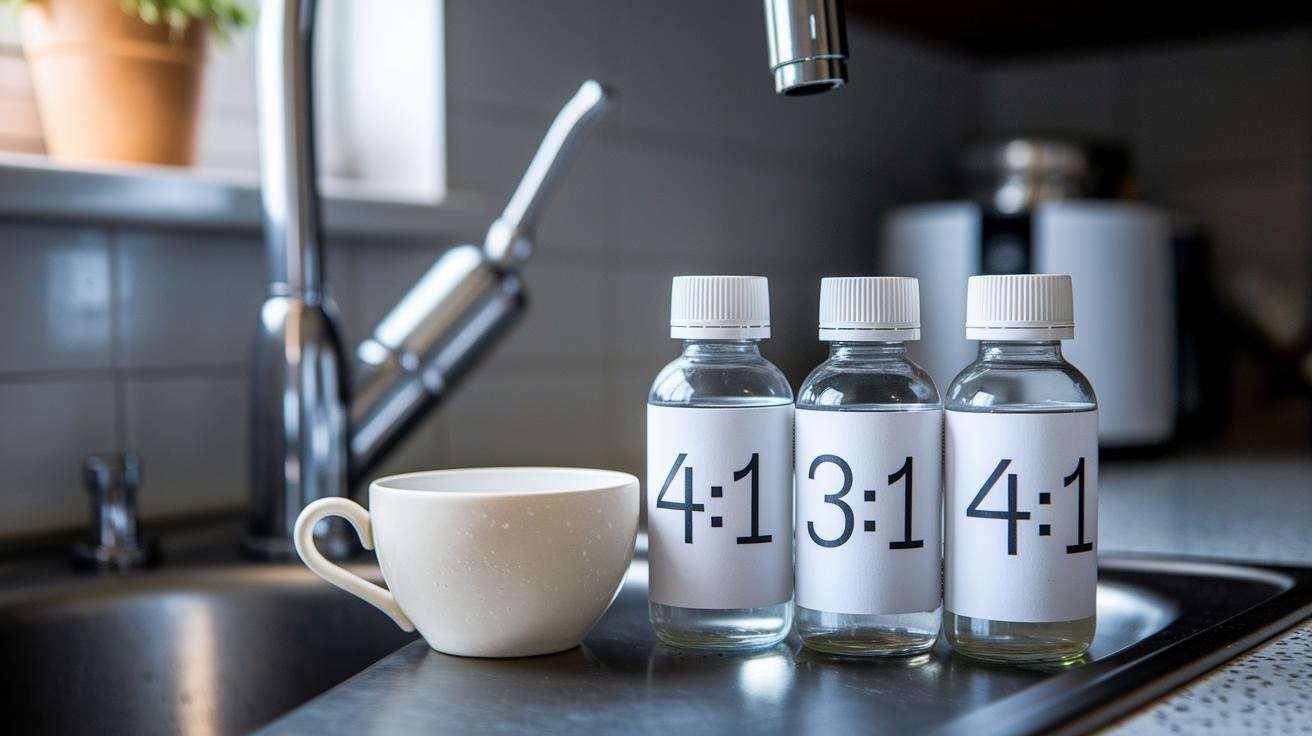
Here’s an easy guide. The ratios show water first, vinegar second, so 4:1 means four parts water to one part vinegar. Use these for everyday tasks:
- Light duty (4:1 water to vinegar): Dusting, window frames, quick surface wipes. Cleans without a strong smell or abrasive feel.
- Medium duty (3:1 water to vinegar): Kitchen counters, microwaves, and small appliances. Good for spills and light grime.
- Heavy duty (1:1 water to vinegar): Oven drip trays, stovetops, or thick grease and mineral deposits (that chalky limescale). This gives the acetic acid more punch.
- Full-strength vinegar: Targeted limescale or mold spots. Apply with a brush, use a cloth barrier to protect nearby finishes, scrub, then rinse well.
Spot-test new or delicate surfaces first. If you’re unsure, start with the 4:1 mix and work up until the grime comes off. Ever had vinegar leave a dull patch? That’s why testing helps.
A few quick tips: let heavier mixes sit a few minutes before scrubbing for better results. Rinse and dry surfaces after cleaning so the tangy smell goes away and residues don’t linger. And um, if in doubt, call it gentle and go slow , your finishes will thank you.
Storing and Labeling Your White Vinegar and Water Solution
Storage and Safety
Use your vinegar-and-water solution within a few months. If it’s older than that, make a fresh batch. Give the bottle a quick shake before each use to re-suspend any tiny particles, think of it like nudging a sleepy cat, then spray as usual.
If the solution smells strange, stays cloudy, or has bits that won’t mix back in, toss it. Vinegar has a sharp scent and that’s normal, but rotten or musty odors are not. Ever noticed an off smell? Don’t keep it.
Label the bottle with what’s inside and the date you made it. Put a childproof cap on the container and store it out of reach or in a locked cabinet if you have kids. Safe and labeled.
Surface-Specific Cleaning Tips with White Vinegar and Water All-Purpose Cleaner
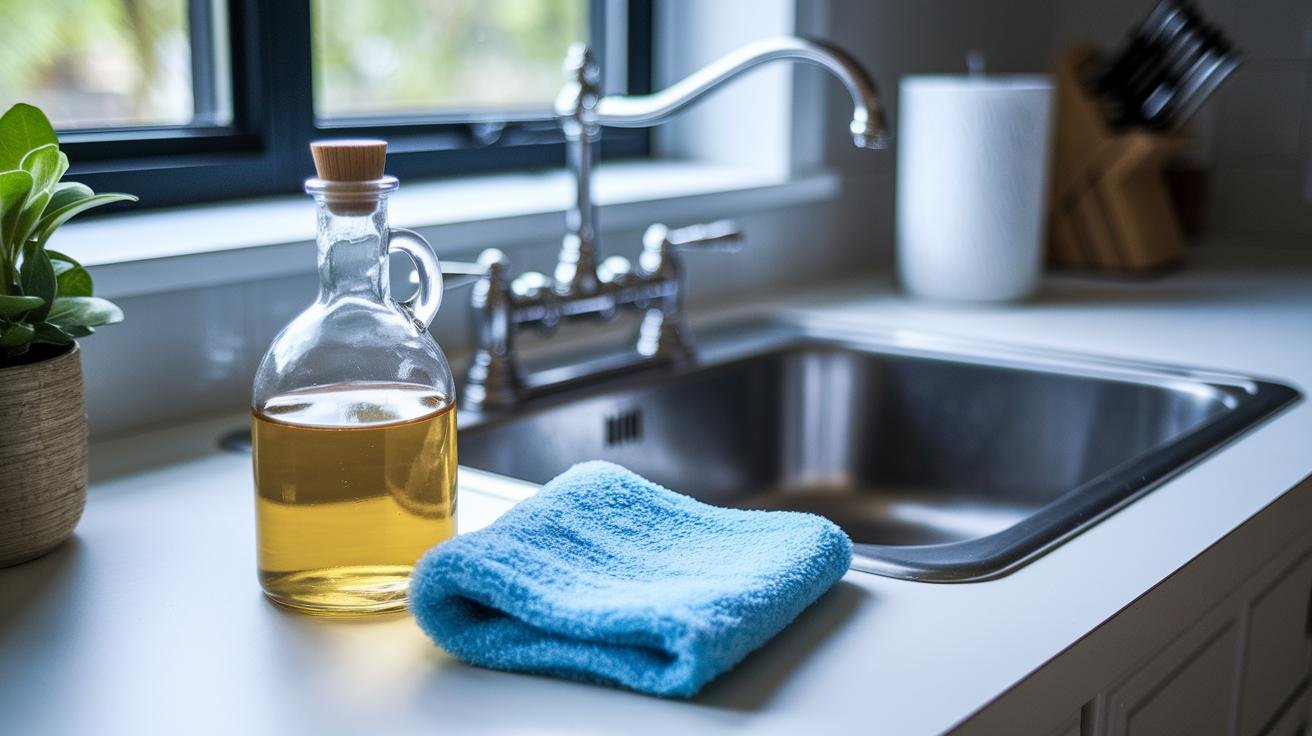
This is a simple, safe guide for using a white vinegar and water cleaner around your home. Think of it like a quick how-to from a friend, short, useful, and practical. Ever wondered which ratio to use where? Read on.
| Surface | Recommended water:vinegar ratio | Application method |
|---|---|---|
| Kitchen countertop | 3:1 | Spray and wipe |
| Stainless steel | 1:1 | Spray on cloth and buff |
| Bathroom fixture | 1:1 | Spray and scrub |
| Glass/mirror | 4:1 | Mist microfiber and buff |
| Tile grout | Full-strength (undiluted) | Apply, wait ~1 min, scrub, rinse |
| Sealed wood floor | 4:1 | Damp mop and dry immediately |
Use a clean microfiber cloth for a streak-free finish. Microfiber lifts grime without scratching. Simple.
Spot-test anything you’re unsure about, especially natural stone, painted finishes, or waxed wood. Apply a drop to a hidden corner, wait 60 seconds, blot, and look for dulling or color change. If it looks fine, you’re good to go.
Car interiors work well with a gentle 4:1 mix. Spritz the cloth, wipe seams and panels, then check a hidden spot after a minute. Small test. Big peace of mind.
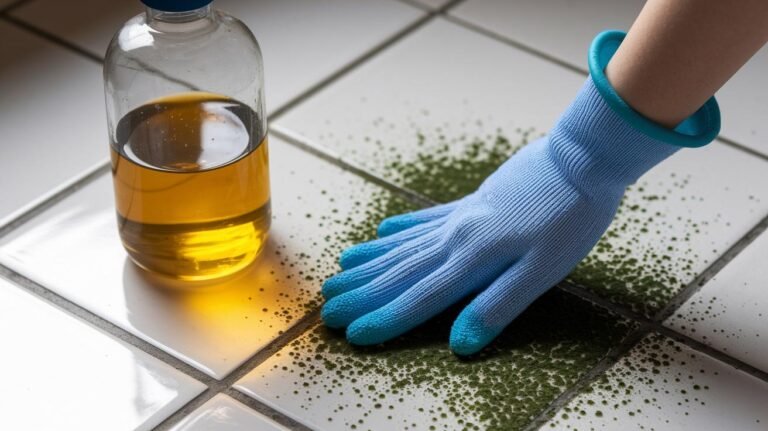
For grout or heavy mineral buildup, use full-strength vinegar (that means undiluted). Apply, let it sit about one minute, scrub with a brush, then rinse well so no tangy residue sticks around. Wait, let me rephrase that: rinse thoroughly.
Glass and mirrors love a lightly damp microfiber. Mist the cloth, not the glass, wipe top to bottom, then buff in small circles while the cloth is still slightly damp for a clear, streak-free shine. Pure shine.
A couple quick extras:
- Don’t mix vinegar with bleach or products that contain bleach. Dangerous fumes.
- For stainless steel, wipe with the grain when buffing for the best finish.
- If a surface smells a bit vinegary after cleaning, it will air out quickly. I found myself liking that fresh-clean smell, um, sometimes.
Follow these tips and you’ll get clean surfaces without overthinking it. Next: enjoy that crisp, cool kitchen countertop.
Customizing Scents and Potency in Your White Vinegar and Water Cleaner
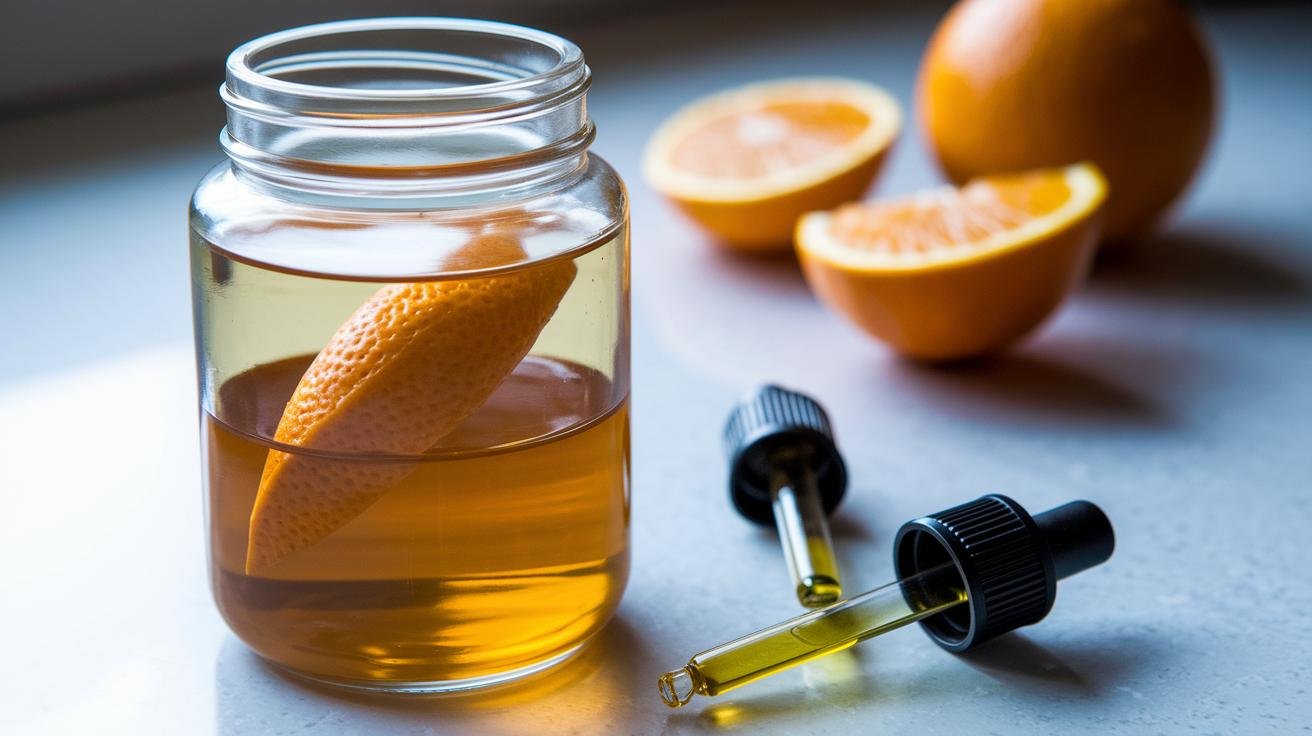
Personalizing your vinegar cleaner makes a chore feel like a little act of self-care. A scented spray can lift your mood, hide the sharp vinegar tang, and let you tune strength for different jobs. Small tweaks give big payoffs.
If you’re using essential oils, start with a gentle 4:1 water-to-vinegar base (4 parts water to 1 part white vinegar) and add 10 to 20 drops total for a 16-ounce bottle. Lemon feels bright and crisp. Lavender soothes and calms. Tea tree adds germ-fighter vibes (tea tree oil has natural antimicrobial properties). Try eucalyptus for a fresh, clearing bathroom scent. Ever noticed how a certain scent can change a room? Little details like that matter.
If you want extra citrus brightness, a splash of lemon juice can help, but test a tiny, hidden area first if you’re worried about finishes on stone or wood. Shake the bottle before each use so the oils mix in. Otherwise they’ll just sit on top.
For longer-lasting, natural scent, make an orange peel infusion. Pack 2 to 3 cups of peels into a jar, cover with vinegar, and store it in a cool, dark spot. Let it steep 2 to 3 weeks for a light aroma, or up to 6 months if you want more punch. Strain the concentrate through a fine mesh, then dilute to your preferred cleaning strength, usually 4:1 (four parts water to one part infused vinegar), before bottling.
Natural peel or herb infusions give a soft, mellow fragrance without hiding the cleaner’s power. Use glass bottles when you can, label them, and keep a small test patch in mind for delicate surfaces. Simple. Effective. Pleasant.
Benefits and Eco-Friendly Impact of White Vinegar and Water All-Purpose Cleaner
You can make a vinegar-and-water cleaner for under $0.10 a batch. Store-bought all-purpose sprays often cost $3 to $5.
It cleans well and, if you infuse it with citrus peels, you get a light, fresh scent and a use for kitchen scraps (see the citrus infusion instructions above). Using biodegradable vinegar and refillable glass spray bottles cuts down on single-use plastic and reduces chemical runoff into drains and soil. Who doesn’t like less waste and safer water?
Try this line: "DIY cleaner: under $0.10 a batch, less plastic waste, and a tidy way to reuse citrus peels (see infusion instructions above)."
Simple. Affordable. Eco-friendly. Pure refreshment.
Mix and spray. Use 1 cup distilled white vinegar with 1 cup water in a 16-oz spray bottle for a strong batch, or stretch to 3:1 or 4:1 for lighter cleaning tasks.
We covered choosing distilled vinegar, the right bottle, quick scent options, and surface-specific ratios for countertops, glass, grout, and stainless steel. Label it, store away from light, and shake before use.
Simple, non-toxic, and cheap to make, this white vinegar and water all purpose cleaner keeps your home fresh and ready. You're all set.
FAQ
Frequently asked questions
Can you use vinegar and water as an all-purpose cleaner?
Vinegar and water can be used as an all-purpose cleaner for many surfaces. It’s natural, inexpensive, and cuts grease. Avoid granite, marble, and other natural stone, and always spot-test first.
What is the basic white vinegar and water all-purpose cleaner recipe?
The basic recipe is 1 cup distilled white vinegar mixed with 1 cup water in a 16-ounce spray bottle. Use filtered water for same-day use, distilled for storage, and label the bottle.
What vinegar-to-water ratio should I use for different cleaning tasks?
Use a higher water ratio for light tasks and more vinegar for tougher jobs: light cleaning 4:1 (water:vinegar), medium 3:1, heavy grease 1:1, and full-strength (undiluted) vinegar for tough limescale or mold spots. Always spot-test surfaces.
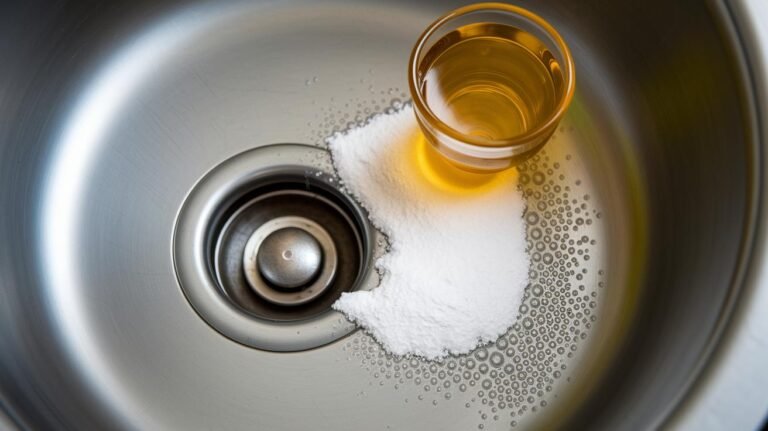
Can I add baking soda, Dawn, or essential oils to my vinegar cleaner?
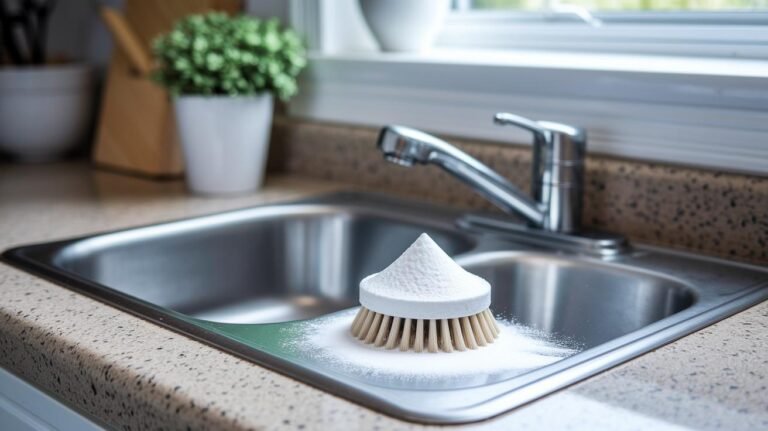
You can add baking soda or Dawn with care. Baking soda reacts with vinegar, so apply them sequentially or use baking soda on the spot rather than storing it mixed with vinegar. A teaspoon of Dawn helps cut grease. For scent, add 10–20 drops of essential oil per 4:1 batch.
What happens when you mix vinegar and Dawn dish soap?
Mixing vinegar and Dawn creates a degreasing solution that can cut through oily grime. It does not produce toxic gas, but suds may be reduced. Avoid mixing this mixture with bleach or other strong chemicals.
Is white vinegar good for cholesterol?
White vinegar is not proven to lower cholesterol. Most research focuses on apple cider vinegar and results are limited. Consult your doctor before using vinegar as a health strategy.
How should I store a homemade vinegar and water cleaner?
Store the cleaner in a labeled glass spray bottle in a cool, dark place. Use distilled water for stored batches, shake before each use, and consider a childproof cap.