Beauty Water Vs Facial Toner Superior Hydration
What if that refreshing mist you love is only half the story?
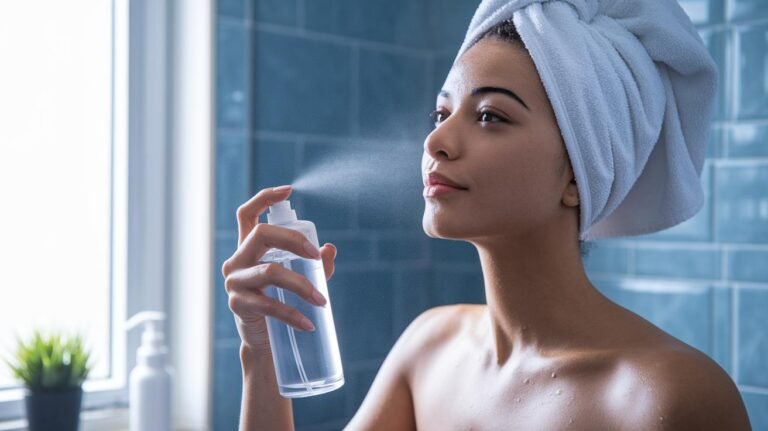
Beauty water feels like a crisp, cool mist, a tiny sip of moisture that wakes your skin up. It’s ultra light and perfect for a quick boost before you layer on serums.
Toner comes after cleansing. It helps restore pH (how acidic or alkaline something is), pulls in lasting moisture with humectants like hyaluronic acid (a moisture-attracting ingredient), and helps strengthen your skin’s protective oil-water layer. Think of it as the deeper sip that stays with you.
So here’s the short version: beauty water gives instant, weightless refreshment, and toner delivers longer hydration and barrier support. Used together, they make a simple, smart routine you’ll reach for every morning and night.
Beauty Water Vs Facial Toner Superior Hydration
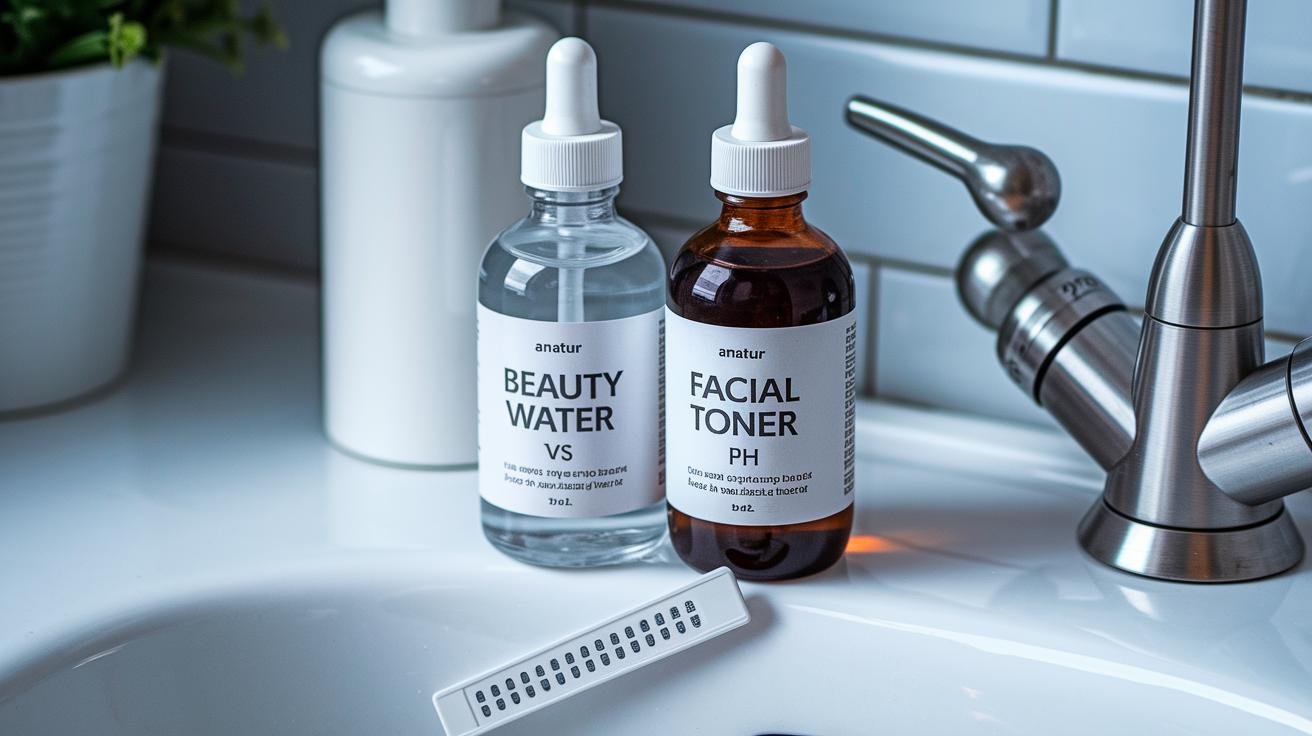
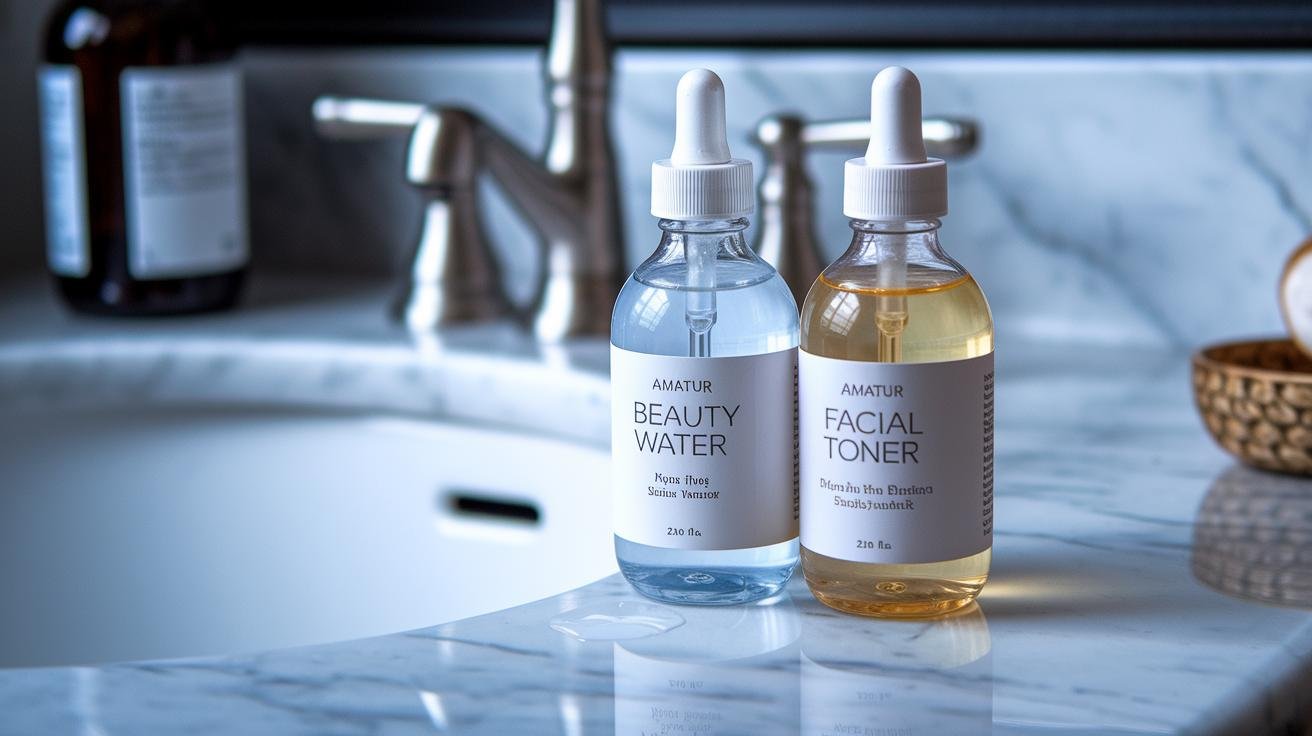
Beauty water and facial toner do similar jobs, but they feel different on your skin. Beauty water is a super light water essence that gives a crisp, cool sip of moisture and primes skin for serums. It’s like a quick spritz that wakes your skin up.
Facial toner is a post-cleanse step that mainly restores skin pH (how acidic or alkaline something is), adds humectants (ingredients that pull in moisture) like hyaluronic acid, and uses plant extracts such as date extract and rice proteins. It can also include gluconolactone (a gentle chemical exfoliant) to soothe and strengthen the hydrolipid barrier (your skin’s protective oil-water layer).
Micellar water is a cleanser. So it’s in a different lane than these two.
Here’s a simple side-by-side so you can use the difference easily:
- Beauty water: water essence, ultra-light, usually sprayed or patted on. Focuses on immediate, weightless hydration and prepping skin texture for treatments. Great for layering and quick daily refreshes, um, especially in the morning.
- Facial toner: toning solution, used right after cleansing to balance pH and bring in longer-lasting moisture with humectants and botanicals. Can offer gentle exfoliation or barrier support depending on the formula.
Toning helps serums absorb better and keeps skin comfortable instead of tight. Ever noticed your face feel less puckery after a good toner? That’s why.
Hydration differences are clear. Beauty water gives fast, feather-light moisture. Toner provides more lasting hydration and can help repair the barrier when it includes humectants or botanical actives.
They play nicely together. Start with cleansing (use micellar water if you’re removing makeup), then use beauty water or toner right after cleansing to open pores and lock in hydration. Next, layer serums and creams as needed.
Want a routine map? Try this beauty water skincare routine to see how these products stack and when to layer everything for best results. Ever notice skin drinks a product faster after a quick spritz? That’s the point.
Ingredient Profiles and pH Characteristics in Beauty Water vs Facial Toner
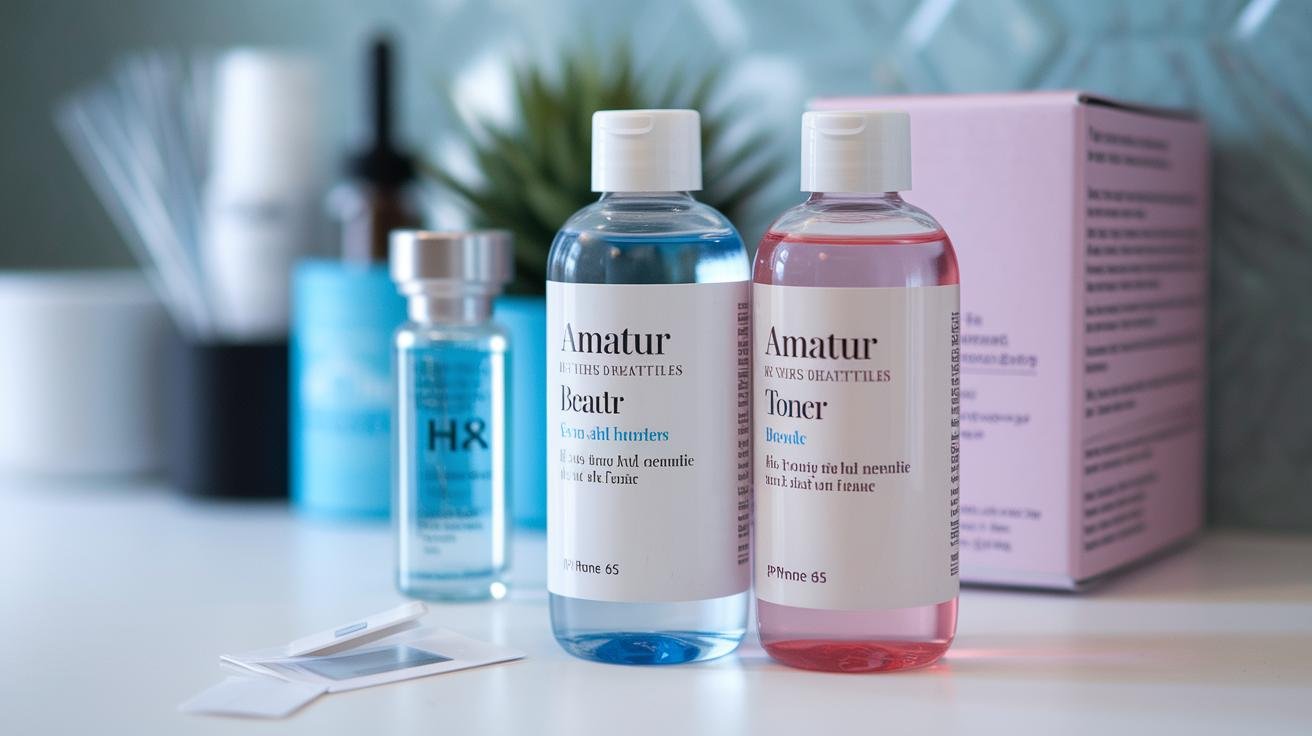
Toners are more concentrated. They’re carefully tuned for pH (how acidic or alkaline something is) and usually aim for about 4.5 to 5.5. That range helps skin enzymes work right and lets serums sink in more easily. Think of a toner as prepping the skin so your treatments do their job.
Many toners pack humectants like glycerin and hyaluronic acid, plus gentle acids such as gluconolactone (a soft exfoliant that also holds moisture). Plant extracts and rice proteins are common, too, they calm the skin and help rebuild the hydrolipid barrier (the skin’s oil-water shield). Small science, simple results.
Beauty water feels lighter. It leans on lighter humectants and water-based infusions, and often comes as a fragrance-free spray. A quick spritz gives instant surface refreshment and smooths texture without heavy actives. Pure refreshment.
pH-balanced products overall tend to cause less irritation and support barrier repair over time. Ever notice your skin calms down after switching to gentler pH-friendly formulas? Me too. It’s often the small, steady changes that help most.
Which should you pick? For sensitive skin, go humectant-forward or choose a calm beauty water. For dull or flaky skin, try a toner with mild AHA/BHA-type actives. And always patch-test first, um, just to be safe.
Hydration Power and Exfoliation Action: Beauty Water vs Traditional Toner
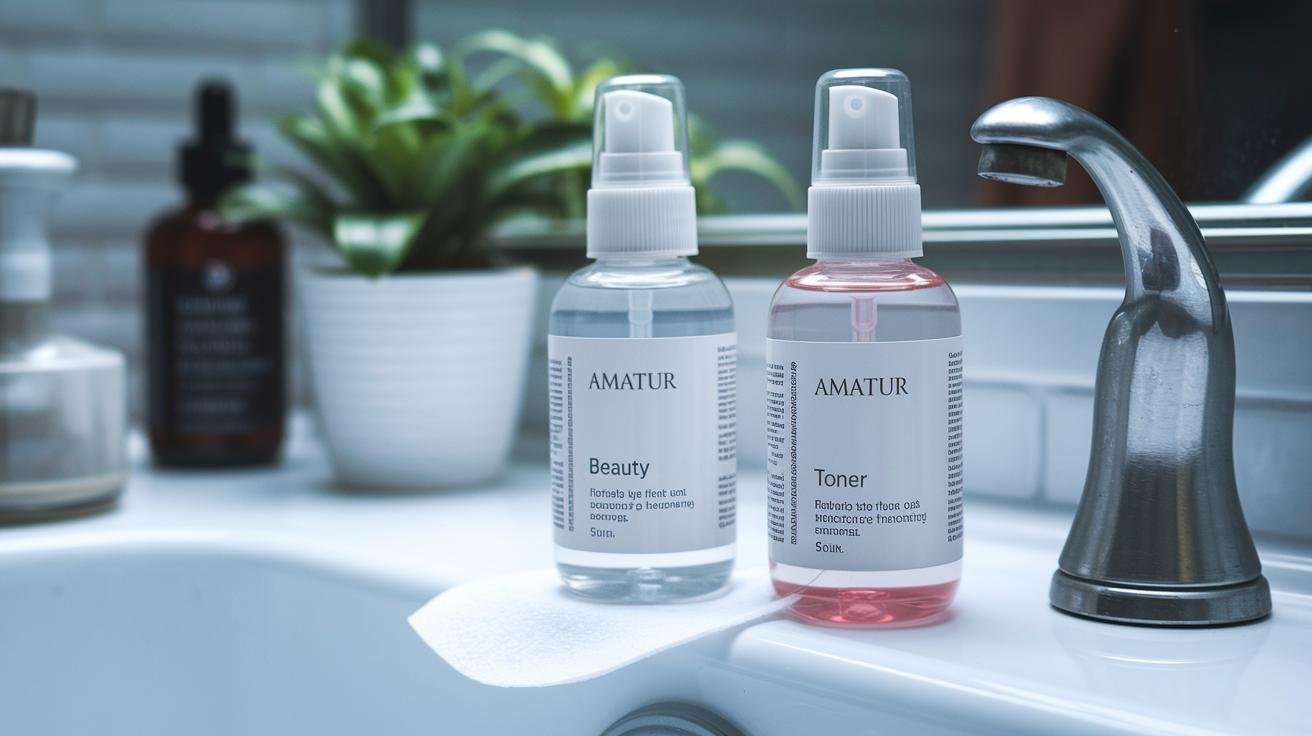
Beauty Water is all about quick surface hydration. It’s a fine mist with light humectants like glycerin and low-weight hyaluronic acid (hyaluronic acid draws and holds water). Spray on or pat it in. It feels like a crisp, cool sip for your skin and primes your face for serums. Use your hands to press it in for deeper absorption, or keep a mist handy for fast refreshes.
Exfoliating toners do a different job. They help bind water and renew the skin surface while clearing pores. Many of them use acids, AHA (alpha hydroxy acids – work on the skin surface), BHA (beta hydroxy acid – oil soluble, gets into pores), and PHA (polyhydroxy acid – gentler exfoliation). Strengths vary, so how often you use them changes too.
| Acid Type | Typical % Range | What it does | Use Frequency |
|---|---|---|---|
| AHA (glycolic, lactic) | 5–10% | Surface exfoliation for smoother texture and glow | Start 2–3 times a week, build to daily if your skin tolerates it |
| BHA (salicylic) | 0.5–2% | Oil-soluble pore clearing, good for oily and acne-prone skin | Start 2–3 times a week; many people use it daily |
| PHA (gluconolactone) | 4–10% | Gentle exfoliation plus extra hydration; great for sensitive skin | Often safe for daily use |
| Mandelic (AHA) | 5–10% | Gentler AHA, helps with pigmentation and acne-prone texture | 2–4 times a week, can increase if no irritation |
Usage guidance – clear, practical steps
-
Order: Cleanse first, then apply beauty water or your exfoliating toner, wait a moment, then layer serum and moisturizer.
Example: After rinsing my face I spritz beauty water, let it settle for 30 seconds, then press in serum. -
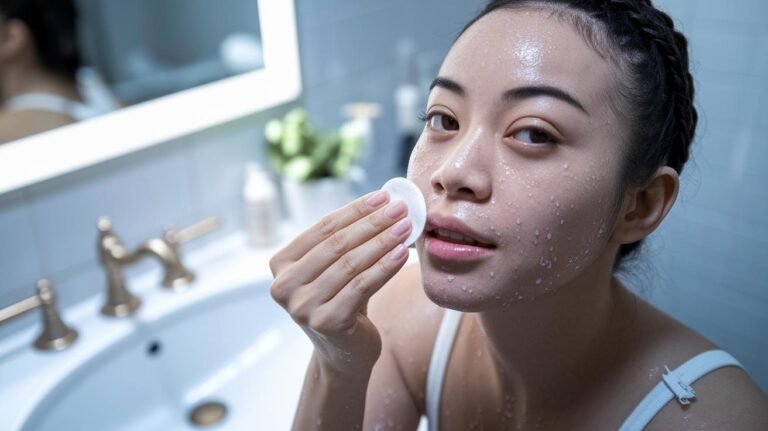
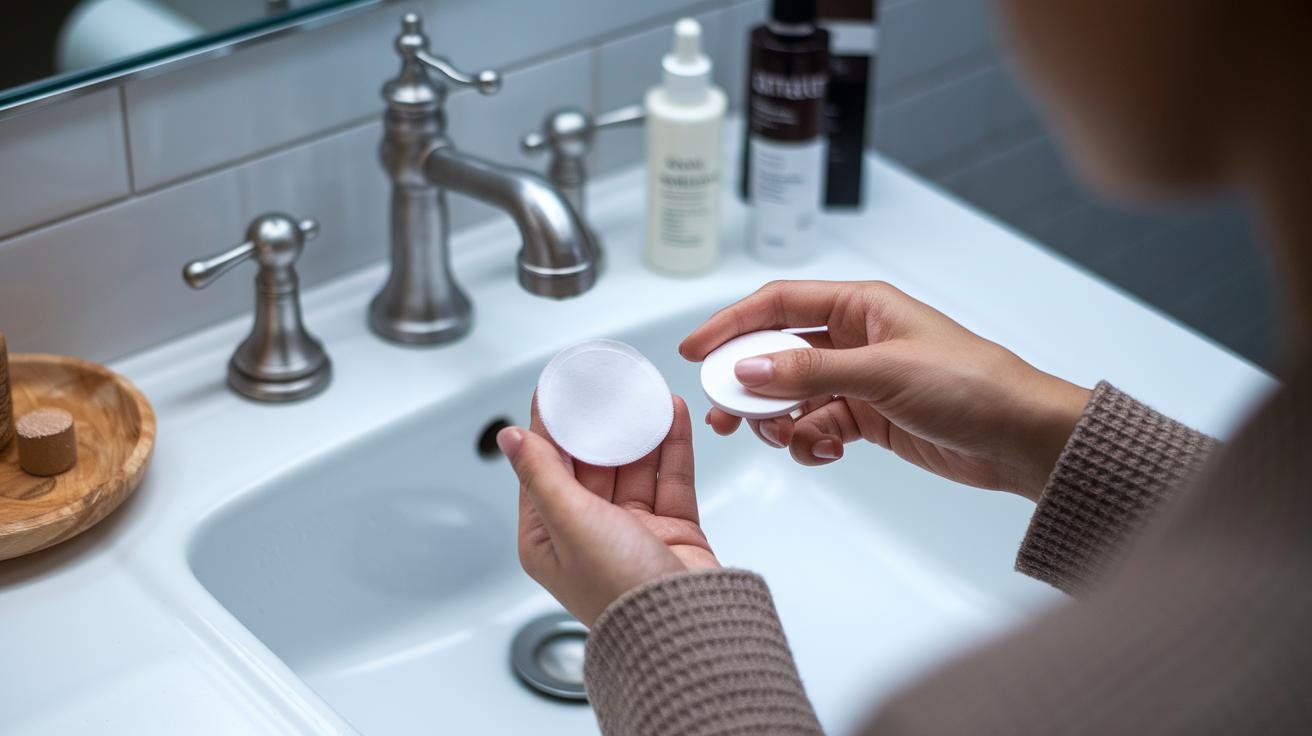
Cotton vs hands vs spray: For hydrating mists, use your hands or the spray to avoid wasting product. For exfoliating toners, a cotton pad gives a gentle wipe to lift dead skin. If your skin is sensitive, pat with hands instead of rubbing.
-
Timing before serums: Wait 30 to 60 seconds so the toner absorbs and your skin’s pH evens out. If the toner feels tingly or active, wait until it calms before adding other strong ingredients.
-
Retinoid compatibility: Don’t layer strong acids and retinoids at the same time – that often causes irritation. Alternate nights, or use an acid in the morning and your retinoid at night.
Example: I use a salicylic toner two nights a week and my retinoid on the other nights – less redness, steadier progress.
Safety guidance
-
Patch-test protocol: Put a small amount on the inside of your forearm or behind your ear. Watch 24 to 48 hours for redness, burning, or irritation before using it on your face.
-
How to spot over-exfoliation: Persistent stinging, more redness, flaky peeling, tightness, new sensitivity, or even more breakouts. If that happens, stop acids, soothe with a gentle moisturizer, and give your skin a recovery week.
-
Sunscreen reminder: Exfoliating acids can increase sun sensitivity. Use a broad-spectrum SPF every day and reapply when you’re outdoors.
Product and ingredient callouts by skin type
-
Sensitive: Look for PHA (gluconolactone) or low-percent lactic acid, and choose fragrance-free, alcohol-free formulas.
Example: Gluconolactone + hyaluronic acid for gentle smoothing. -
Oily / acne-prone: Salicylic acid 0.5–2% plus oil-balancing humectants works well.
Example: 0.5% salicylic toner with glycerin. -
Dry: Pick a low-strength lactic acid (around 5%) combined with humectants like hyaluronic acid and barrier helpers like ceramides so you don’t strip moisture.
Example: 5% lactic + ceramides to exfoliate and nourish. -
Combination or texture concerns: Glycolic 5–8% helps smooth tone; use it 2–4 times a week and pair with hydrating serums.
Quick signs to act on: If irritation is steady, pause acids, treat with a barrier-repair cream, and check with a dermatologist if things don’t calm within a week.
Application methods (spray vs cotton pad)
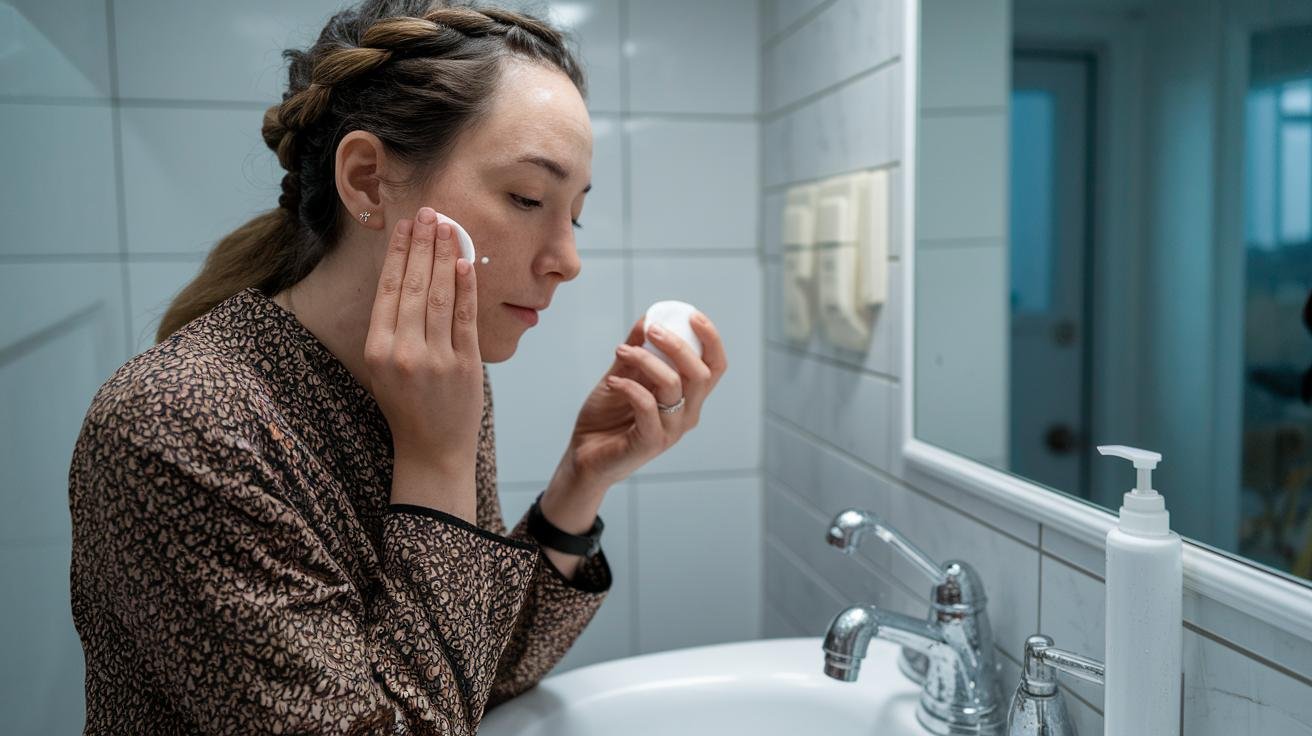
Quick, practical tips you can slip into your routine.
-
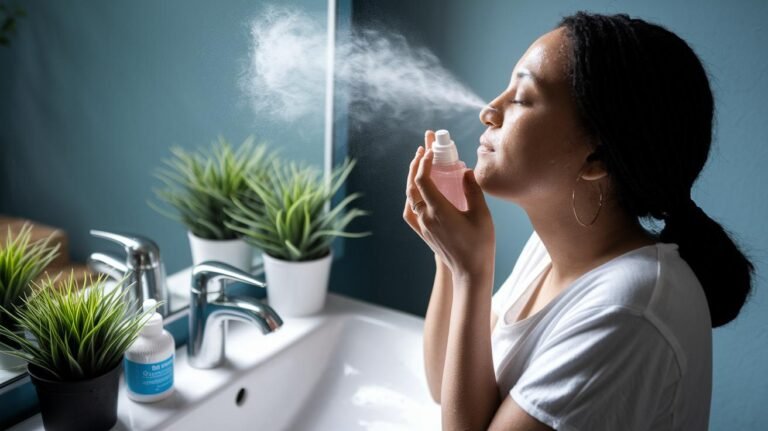
Spray: hold the bottle 6-8 inches from your face, mist 1-2 times, then press with your palms or fingertips for about 10-20 seconds so the water soaks in instead of evaporating. Think of it like a gentle hug for your skin.
Example: "Hold the bottle about 6 inches from your face, mist twice, then press gently with your fingertips for 15 seconds." -
Cotton pad: soak a soft pad and sweep it once across the T-zone (forehead and nose) without rubbing; one gentle pass lifts sunscreen, sweat, or makeup residue. No scrubbing.
Example: "Soak a pad, sweep it once across the T-zone, then set it down, no scrubbing." -
Timing for serums: after pressing or using a cotton pad, wait 30-60 seconds so skin stays slightly damp before you apply serums. Pressing for 10-20 seconds helps absorption and doesn’t conflict with the wait. Ever noticed serums glide on better when your skin is a bit wet?
Example: "Press for 15 seconds, count to 30, then apply serum while skin feels slightly damp." -
Morning vs evening: morning, one quick mist before sunscreen for a fresh start. Evening, use a cotton pad to remove makeup, or mist and pat to prep skin for serums and treatments. Simple swaps make a big difference.
Example: "Morning: one quick mist, then sunscreen. Evening: cotton-pad clean for makeup, or mist and pat before your serum."
Honest answers, weekly
The research, without the sales pitch
One short email a week: what a study actually found, what it didn't, and what's worth your attention. No spam. Unsubscribe anytime.
Beauty Water Vs Facial Toner Superior Hydration
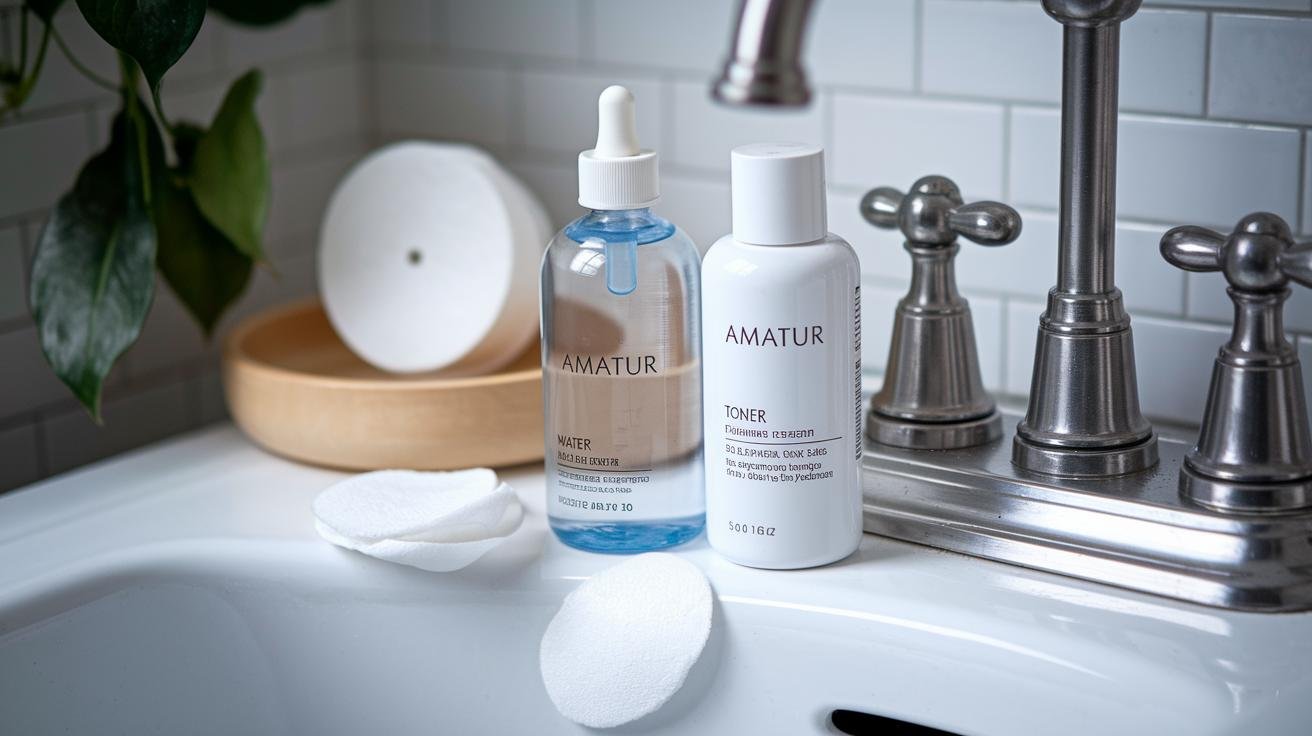
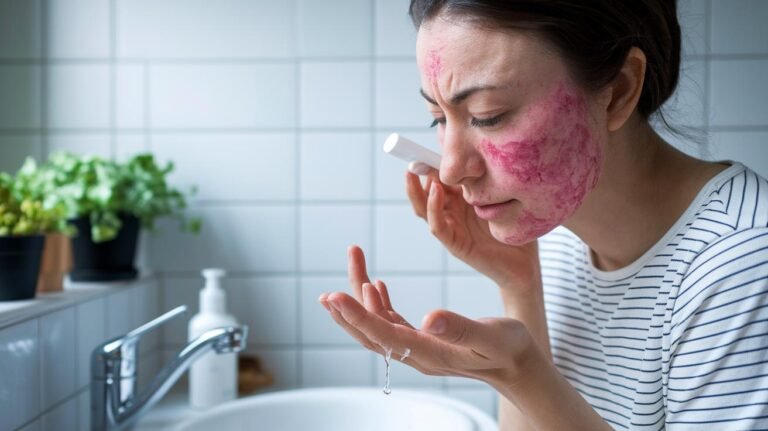
Pick the product that matches what your skin needs that day, not the label. Ever noticed your cheeks feel tight after a long day? Reach for a hydrating toner. Midday shine? Grab a Beauty Water mist.
Beauty Water is a light surface mist for quick refresh and feather-light hydration that won’t weigh down oilier areas. It’s perfect for combination skin and for spritzing through the day. A soft spritz after a hot commute feels like a small reset, cool and fresh. Pure refreshment.
Hydrating toners work best when you want repair and longer-lasting moisture. They help support your skin barrier and deliver deeper hydration after cleansing. Use one at night and you might wake up with softer, calmer skin. I found that it really made a difference after a week.
, um, think of Beauty Water for quick pick-me-ups and a hydrating toner for real repair. For specific ingredient callouts by skin type and a simple routine, see the Product and ingredient callouts by skin type and the Usage guidance sections.
Pros, Cons and Cost Comparison of Beauty Water vs Facial Toner
Beauty water feels like a cool, weightless mist that soaks the skin’s surface quickly. Facial toners, by contrast, prep skin for treatments, support the skin barrier, and can offer gentle exfoliation. Ever noticed a spritz perks you up but your serum still seems to do the heavy lifting? Yeah.
Price and value come down to bottle size, formula strength, and how often you use them. So think cost-per-use, not just the sticker price. For user-reported hydration outcomes, check beauty water benefits.
Pros, beauty water
- Light and refreshing. Great for midday spritzes and layering.
- Absorbs fast, so you waste less product when you pat it in.
- Often simpler formulas and lower upfront cost, which can mean fewer irritants.
Pros, facial toner
- Delivers longer-lasting moisture with humectants like hyaluronic acid (a water-attracting molecule).
- Can include exfoliating actives or plant extracts that help repair the skin barrier.
- Often works like a toner plus an essence, so you might skip another product or two.
Cons, beauty water
- Spray bottles can disappear fast if you mist several times a day, raising cost-per-use.
- Not meant to replace deeper hydrating or barrier-repair ingredients.
Cons, facial toner
- Premium botanical or multi-active formulas usually cost more per bottle.
- Some come in non-refillable packaging, which adds to long-term cost and waste.
Eco and ethics
- Look for cruelty-free labels if animal testing matters to you.
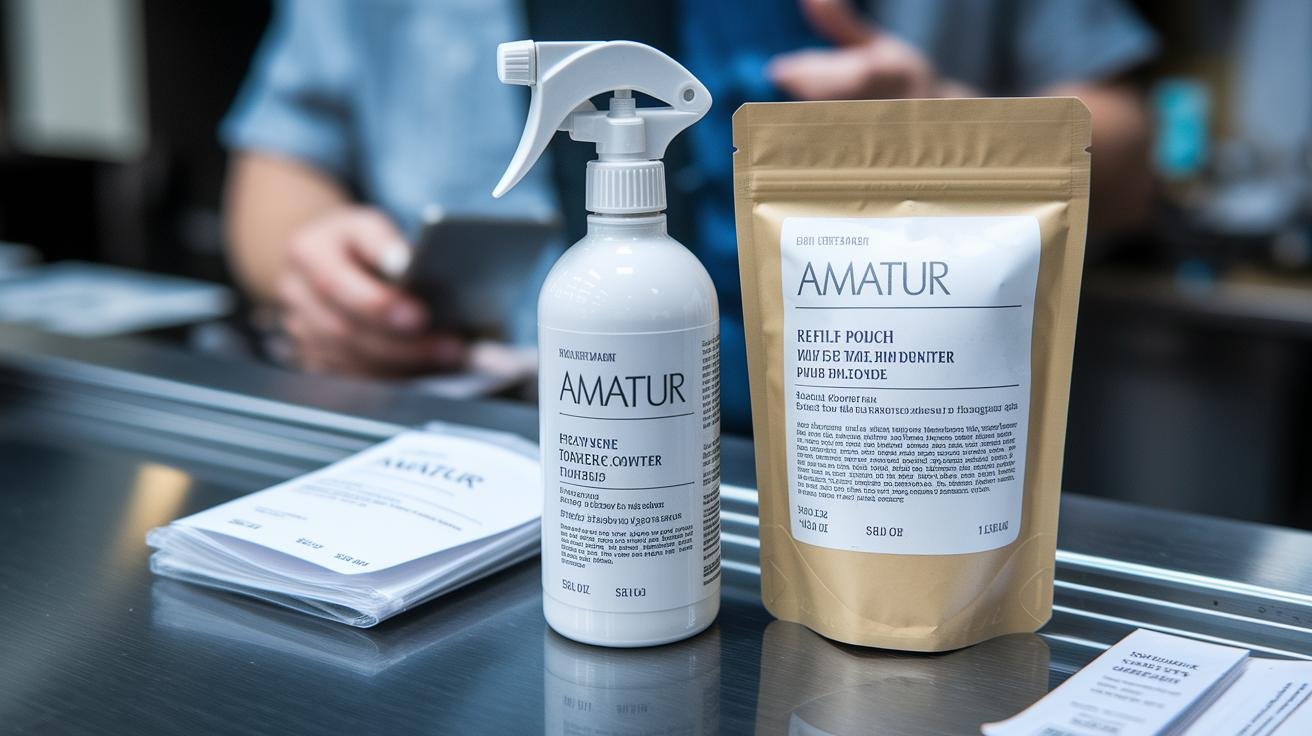
- Refillable bottles and eco-friendly packaging cut lifetime impact and cost. Many brands now offer refills that lower price-per-use and reduce plastic waste.
Quick buying tip
Estimate how many sprays or pumps you use daily, then divide the bottle price by that projected number of uses. Simple math gives a clearer sense of value. For example, if a bottle costs $30 and you expect 500 sprays, that’s about six cents per spray. I do this when deciding which product to keep in my bag.
Expert Tips for Layering Beauty Water and Facial Toner in Your Routine
Start simple. Think of your skincare like stacking clothes: light first, heavier last. Ever notice your products just sit on top of your skin? Layering the right way fixes that.
Thin-to-thick rule, Begin with the lightest, most water-like products, then move to toners with active ingredients, then serums, and finish with moisturizer. Light products feel slippery and absorb fast. Heavier ones sit and protect.
Conditional swap for watery toners, If your toner is mostly hydrating (mostly water-based, no strong actives), you can use Beauty Water first and then the toner. That keeps the thinnest texture touching skin first. : put the thinnest thing on first.
Quick four-step routine (one glance):
- Cleanse.
- Beauty Water or a hydrating toner.
- Serums, light to heavy.
- Moisturizer.
Press, don’t rub. After cleansing, keep skin slightly damp. Use your fingertips to gently press each layer in for about five seconds so it sinks in. A soft, warm press feels nice and helps absorption more than rubbing.
Pairing tip: humectant under occlusive, Put humectant serums (like hyaluronic acid, a humectant that draws water into the skin) under an occlusive moisturizer (a barrier cream that locks moisture in). Think of it like sealing a jar after pouring in liquid. Hyaluronic under a light balm works great.
Safety and actives, For strong actives, patch-test first and consider using them on alternate nights. This note skips clinical warnings to stay action-ready, so check the Safety/Over-exfoliation section for more on layering acids, retinoids, and irritation prevention.
Small trick: if you want extra glow, spritz Beauty Water between layers. Pure refreshment.
Final Words
We focused on one clear split: beauty water delivers lightweight hydration; toners balance skin pH and can gently exfoliate.
Ingredients matter, toners bring humectants like hyaluronic acid and mild acids, while beauty water uses lighter humectants and water essences.
We also covered application (spray-and-pat versus cotton-pad), who benefits most, cost and layering tips so products work together.
When choosing beauty water vs facial toner, pick the option that matches your goals, hydration, mild exfoliation, or both. Your skin will thank you.
FAQ
Frequently Asked Questions
How does beauty water compare to facial toner, including for oily and dry skin, and is beauty water a toner?
Beauty water is a lightweight, water-like essence that boosts hydration and preps the skin. Toners typically help restore skin pH and some also gently exfoliate. Beauty water can feel like a toner but focuses on hydration—it’s especially good for dry or combination skin. Toners containing BHA are generally better for oily skin. Some products labeled “beauty water” act like a hydrating toner, but not all toners are beauty water.
What’s better, toner or micellar water, can you use both, and can Garnier micellar water act as a toner?
They serve different roles: micellar water is primarily a cleanser that lifts makeup and oil, while a toner preps the skin after cleansing. You can use both—use micellar water to remove makeup/cleanse, then follow with a toner. Garnier micellar water can double as a quick, light toner for some people, but it’s primarily designed as a makeup remover/cleanser.
What is the 4 2 4 rule in skincare?
The 4‑2‑4 rule is a loose layering guideline: about 4 hydrating mists or pats, 2 targeted treatment steps (like serums or actives), then 4 sealing steps (moisturizer, sunscreen, etc.). It’s flexible—always follow specific product directions.
Can toner reduce redness?
Yes—toner can reduce redness if it contains soothing ingredients such as niacinamide, aloe, or allantoin and is alcohol-free. Choose a gentle, pH-balanced formula and patch test to avoid irritation.
Before you go
Get the next honest answer by email
We'd rather tell you when the answer is no. One email a week, written the same way as this post.